






The New Policy Explained
The Delhi Electric Vehicle Policy 2026, which comes into effect on July 1, 2026, is a comprehensive roadmap that will remain in force until March 31, 2030. With an approved budget expected to mobilise an investment of around ₹15,000 crore, the policy
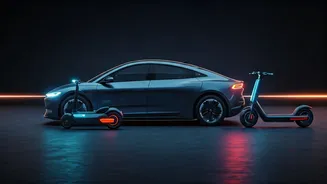
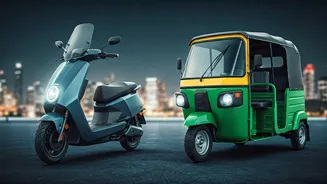
aims to dramatically increase EV adoption across the city. A key component of this strategy is the focused support for commercial vehicles, which are identified as significant contributors to vehicular pollution. The policy moves beyond just incentives, setting firm timelines for a transition to electric. Most notably, from January 1, 2027, only electric three-wheelers (both passenger and goods) will be permitted for new registration in the national capital, effectively phasing out new CNG and petrol models.
Breaking Down the Financial Perks
The centerpiece of the support for electric three-wheeler buyers is a tiered purchase incentive designed to encourage early adoption. In the first year of the policy, buyers of new electric three-wheelers will receive a direct benefit transfer of ₹50,000. This incentive will then taper in subsequent years to ensure a sustained but gradual push. The subsidy will be ₹40,000 in the second year and ₹30,000 in the third year. These incentives apply to both individual buyers and various business entities registered in Delhi. To prevent misuse of the subsidies, the policy introduces a three-year lock-in period, which bars beneficiaries from selling and registering their subsidised vehicles in other states.
Scrapping Old Polluters for New EVs
To further sweeten the deal and clean up the city's vehicle fleet, the policy includes attractive scrapping incentives. Owners of older, more polluting three-wheelers who choose to scrap their vehicle and purchase a new electric one can receive additional financial support. The scrapping incentive for eligible three-wheelers, such as those that are BS-IV or older, is set at ₹25,000. Owners of Gramin Sewa vehicles can also get a ₹15,000 scrapping incentive when they switch to an electric alternative. This dual approach of subsidising new purchases and incentivising the removal of old vehicles is designed to accelerate the fleet's transition to zero-emission mobility. These benefits are provided if the new EV is bought within six months of obtaining a scrapping certificate.
Why This Matters for Delhi's Air and Livelihoods
The focus on three-wheelers is highly strategic. According to the transport department, two-wheelers and three-wheelers together account for about 46% of vehicular pollution in Delhi. By electrifying this high-usage segment, which includes auto-rickshaws and last-mile delivery vehicles, the government aims for a significant and immediate impact on air quality. For drivers, the shift offers a compelling economic proposition. Beyond the upfront purchase support, electric three-wheelers have considerably lower running and maintenance costs compared to their CNG or diesel counterparts. This transition can lead to increased daily savings and improved livelihoods for thousands of auto drivers across the national capital.
Building the Ecosystem for Success
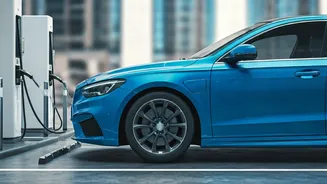
A major barrier to EV adoption has always been the availability of charging infrastructure, often referred to as 'range anxiety'. The Delhi government is addressing this head-on by planning a massive expansion of the charging network. The policy sets a target of installing over 30,000 public charging points over the next few years. To streamline the process for buyers, a new dedicated online portal will be launched where applicants can apply for all EV-related incentives. After online verification, the subsidy amount will be directly transferred to the beneficiary's bank account, making the process transparent and efficient.