



The Nutritional Power of Amla
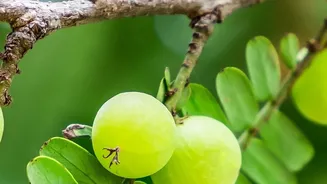
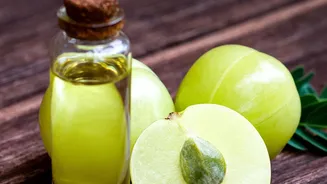
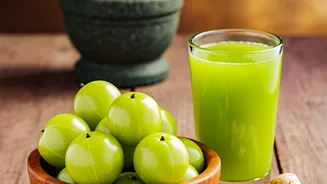
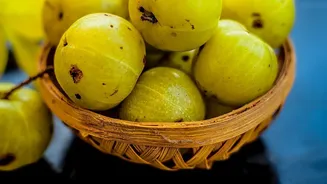
Amla is renowned for being one of the richest natural sources of Vitamin C, a vital antioxidant that supports a robust immune system. Beyond that, these small, light-green berries are packed with antioxidants like polyphenols, fibre, and essential minerals
including calcium and iron. Traditionally, it has been used to aid digestion, enhance skin and hair health, and support overall vitality. Its unique flavour profile is a complex mix of sour, bitter, and astringent, which is why it's often processed or cooked rather than eaten raw on its own.
Refreshing Amla Juices and Drinks
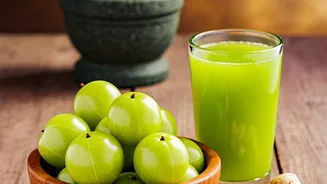
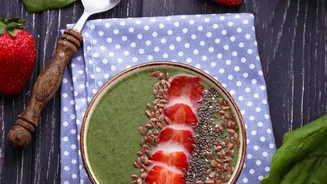
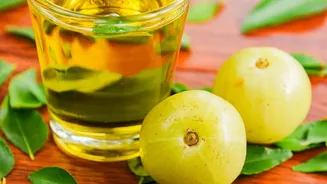
One of the easiest ways to consume amla is by juicing it. A simple morning wellness shot can be made by blending a few deseeded amla with a small piece of ginger and a little water, then straining the mixture. For those who find the taste too sharp, the juice can be diluted with more water or coconut water and sweetened with a touch of honey. Another popular method is to add fresh amla or amla powder to your daily smoothies. The sweetness of fruits like bananas, mangoes, or berries effectively balances amla's tartness, creating a nutrient-dense beverage that’s both delicious and invigorating. For a simple hot drink, a teaspoon of amla powder can be stirred into warm water, with honey added to taste.
Tangy and Delicious Amla Relishes
Amla is a perfect candidate for creating tangy condiments that can elevate any meal. An instant amla pickle, or achar, can be made by lightly steaming the gooseberries until tender, then mixing the segments with a toasted spice blend of mustard, fenugreek, and chilli powder. For a fresher, uncooked option, a vibrant amla chutney is an excellent choice. Simply blend chopped amla with fresh coriander, mint, green chillies, ginger, and a little salt to create a zesty dip that pairs wonderfully with snacks like samosas or as a spread in sandwiches. For those with a sweet tooth, amla murabba, a sweet preserve where the berries are cooked in sugar syrup, is a traditional delicacy.
Incorporating Amla into Cooked Dishes
Beyond drinks and pickles, amla can be seamlessly integrated into your everyday cooking. Its sourness makes it a great substitute for tamarind or lemon in lentil dishes like dal. You can grate fresh amla and add it during the cooking process to impart a subtle tang. Amla powder can be sprinkled into spice mixes for vegetable stir-fries or curries, adding both flavour and nutritional value. You can even add whole, steamed amla segments to rice dishes for a burst of flavour. When using it in cooked preparations, it's often best to add it gradually and taste as you go to ensure its potent flavour doesn't overpower the dish.
Tips for Preparing Amla
Working with fresh amla is straightforward. To reduce its inherent bitterness and astringency, you can briefly boil or steam the fruit for 5-10 minutes until the segments just begin to soften and separate from the seed. This also makes it easier to deseed. Soaking the berries in salt water before use can also help mellow the flavour. Whether you're using fresh, frozen, or powdered amla, start with small amounts. Its flavour is concentrated, and it's easier to add more than to correct a dish that has become too sour. Store fresh amla in the refrigerator, and it will keep for a couple of weeks, allowing you to experiment with its many uses at your leisure.