




Why Dusting is More Than a Chore
That fine layer of dust that settles on your furniture also coats the leaves of your indoor plants. While it might seem like a minor aesthetic issue, this dust can significantly impact your plant's health. Plant leaves are covered in tiny pores called
stomata, which they use for gas exchange—breathing in carbon dioxide and releasing oxygen. When dust clogs these pores, it's like trying to breathe with a blocked nose. Furthermore, dust acts as a shade, blocking sunlight from reaching the leaf's surface. This directly hinders photosynthesis, the vital process plants use to convert light into energy for growth. A plant that can't photosynthesise efficiently will show signs of slower growth and weaker health. By keeping leaves clean, you ensure they can absorb the maximum amount of light and breathe freely, leading to a healthier, more vibrant plant.
The Right Way to Dust Your Plants
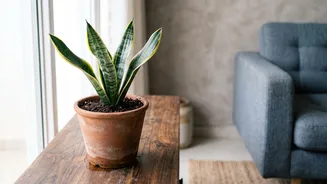
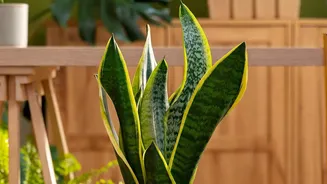
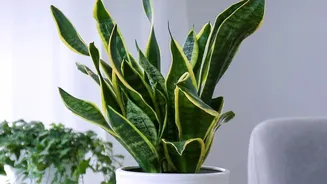
Cleaning your plant’s leaves doesn't have to be complicated. For most plants with smooth, large leaves, like a Fiddle Leaf Fig or Snake Plant, a soft, damp cloth is all you need. Use lukewarm water, as water that is too hot or cold can shock the plant. Gently support the leaf with one hand and wipe the top and bottom surfaces with the other. For plants with many small leaves, or for a more thorough clean, a gentle rinse in the shower or sink is a great option. Use a low-pressure, lukewarm spray to wash the dust away. This mimics a natural rainfall and cleans the entire plant effectively. Just be sure to cover the soil with plastic wrap if you don't want it to get soaked.
Caring for Delicate and Fuzzy Leaves
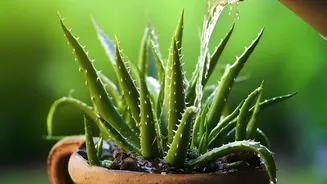
Not all leaves appreciate a wipe-down with a wet cloth. Plants with fuzzy or hairy leaves, such as African violets, can develop spots or even rot if water is left sitting on their foliage. For these delicate varieties, a different approach is needed. A soft-bristled paintbrush or a clean, soft toothbrush is perfect for gently brushing the dust away. Work from the base of the leaf to the tip to dislodge any accumulated particles without causing damage. Alternatively, a can of compressed air, held at a safe distance, can blow away dust from hard-to-reach crevices and on prickly plants like cacti.
How Often Should You Dust?
There is no rigid schedule for dusting your plants, as the frequency depends on your home's environment. Homes in urban areas or near construction sites might accumulate dust faster. A simple way to check is to run your finger across a leaf; if you can see or feel a layer of dust, it's time for a cleaning. As a general guideline, checking your plants every couple of weeks is a good habit. You can incorporate it into your watering routine, making it a regular moment to inspect your plants for dust, pests, or any other signs of distress.
An Opportunity for Pest Prevention
Regularly cleaning your plants provides the perfect opportunity to inspect them up close for common houseplant pests like spider mites, aphids, and scale. These tiny invaders often hide on the undersides of leaves and can go unnoticed until an infestation is well underway. Wiping down each leaf allows you to spot and remove these pests early. Some plant owners add a tiny amount of mild dish soap to the water, which can help dislodge stubborn grime and deter pests, but always rinse the leaves with clean water afterward to remove any soap residue.