






The Spectacle of the 'Blue Mountains'
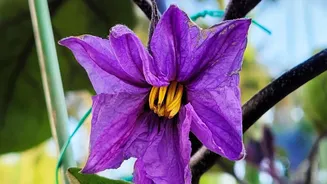
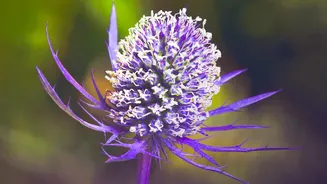
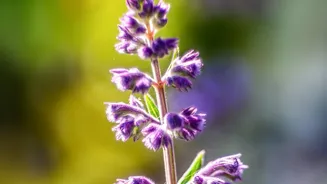
The flower at the heart of this stringent protective measure is the Neelakurinji, or Strobilanthes kunthiana. The name itself, rooted in the Tamil language, translates to 'blue flower' ('neela' for blue and 'kurinji' for flower). It is this very bloom
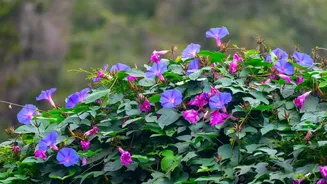
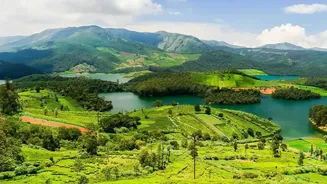
that is believed to have given the Nilgiri Hills their name, which means 'Blue Mountains'. When it blossoms, it carpets entire hillsides in a spectacular purplish-blue hue, a sight that draws nature lovers and tourists from across the globe. These shrubs are endemic to the shola forests of the Western Ghats, growing at high altitudes between 1,300 and 2,400 metres in parts of Tamil Nadu and Kerala.
A Once-in-12-Years Miracle
What makes the Neelakurinji so exceptionally rare is its gregarious flowering cycle. The plant blossoms only once every 12 years. This unusual lifecycle, known as plietesial, means that all shrubs in a particular region bloom in synchrony, create their seeds, and then die. This mass flowering is a crucial ecological event, supporting a flurry of activity among pollinators like honeybees. In fact, the honey collected during this period, known as 'Kurinji honey', is considered rare and of special value. For the local Paliyan tribal community, this 12-year cycle has traditionally served as a natural calendar to mark their age.
The Perils of Popularity
The very spectacle that makes the Neelakurinji famous also poses the greatest threat to its survival. During the blooming season, a massive influx of tourists descends on the fragile shola grasslands. Eager to capture the perfect photograph or take home a souvenir, many visitors end up plucking the flowers or trampling the delicate plants. This destruction not only spoils the natural beauty but also disrupts the plant's reproductive cycle, as it prevents seed formation for the next generation. The plant's habitat is already under pressure from the expansion of plantations and other development activities. Recognizing these threats, the plant is now listed as a protected species.
A Fine to Defend a Flower
To combat this threat, the Ministry of Environment, Forest and Climate Change has listed the Neelakurinji under Schedule III of the Wildlife (Protection) Act, 1972. Under this protection, destroying or uprooting the plant is a serious offence. Authorities have instituted a penalty that includes a fine of up to ₹25,000 and the possibility of three years of imprisonment. This steep fine serves as a powerful deterrent, sending a clear message that the plant is not a mere tourist attraction but a valuable and protected part of India's natural heritage. Forest department officials in Tamil Nadu's Nilgiris district have been deployed during blooming seasons to enforce these rules and prevent people from venturing into and disturbing the protected areas.
Beyond the Financial Deterrent
The fine is just one part of a broader conservation strategy. Efforts to protect the Neelakurinji also include the establishment of dedicated sanctuaries, such as the Kurinjimala Sanctuary in Kerala, which protects a core habitat of the plant. Conservation groups and government bodies are also working to raise awareness about the importance of responsible tourism. By educating visitors and involving local communities, the aim is to foster a sense of stewardship for this natural wonder. These holistic efforts recognise that preserving the Neelakurinji requires more than just punitive measures; it needs a collective commitment to safeguarding the delicate ecosystem it belongs to.