




Understanding Aqua Yoga
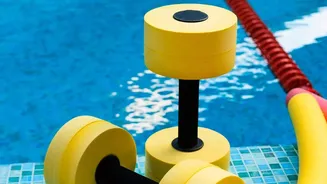
Aqua yoga involves performing classic yoga poses while submerged in shallow, typically chest-deep, water. This is often done in a heated swimming pool. The water's natural properties are central to the experience. Its buoyancy supports your body weight,
which dramatically reduces stress and impact on your joints, like your knees and hips. This makes it an incredibly gentle and accessible form of exercise, ideal for beginners, seniors, pregnant women, or anyone recovering from an injury. But don't mistake 'gentle' for 'ineffective'. The water also provides constant, multi-dimensional resistance, which helps to build muscle strength and improve flexibility without the strain you might feel on land.
The World of SUP Yoga
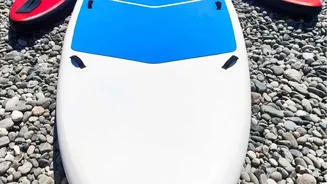
Stand-up paddleboard (SUP) yoga takes your practice and puts it on a board floating on a body of water, like a calm lake, bay, or ocean. Instead of being in the water, you are on top of it, which presents a completely different challenge. The primary goal here is balance. The unstable surface of the paddleboard forces you to engage your core and smaller stabilizing muscles in a way that solid ground never could. Every pose, from a simple seated stretch to a more complex Warrior pose, requires intense focus and control to avoid a refreshing, albeit surprising, splash. It transforms your yoga session into a full-body workout that sharpens proprioception—your body's awareness of its position in space.
The Stability and Balance Challenge
This is the most significant difference between the two practices. Aqua yoga is all about support. The water holds you up, allowing you to explore poses and stretches with greater ease and less fear of falling. It’s a low-impact environment that helps improve balance over time through gentle resistance. In contrast, SUP yoga is a high-level balance challenge. The board is inherently unstable, and every tiny shift in weight matters. While falling in the water is part of the fun and learning process, the constant effort to stay dry provides a robust core workout that land-based yoga can't replicate.
Intensity and Muscle Engagement
Both practices offer great workouts, but they target muscles differently. In aqua yoga, the water's resistance provides a gentle but effective way to tone your entire body. Movements are slower and more deliberate, which helps build strength without high impact. For SUP yoga, the intensity comes from the continuous muscle activation required to maintain balance. Your core, legs, and even the small muscles in your feet and ankles are working overtime. It’s a fantastic way to build functional strength and a powerful core, as your body must constantly make micro-adjustments to stay centered on the board.
Environment and Overall Vibe
The setting for each practice contributes to its unique feel. Aqua yoga is typically held in a controlled environment like a swimming pool, often heated for comfort. This makes it accessible year-round and creates a serene, therapeutic atmosphere focused on healing and relaxation. SUP yoga is an outdoor adventure. It’s about connecting with nature, feeling the sun on your skin, and listening to the sounds of the water around you. While some indoor SUP yoga classes exist, the classic experience is about embracing the elements. This adds a layer of mental calm and mindfulness, but also means you're subject to weather conditions like wind and waves.
Which One Is Right for You?
Choosing between aqua yoga and SUP yoga comes down to your personal fitness goals and comfort level. If you are looking for a low-impact, therapeutic workout that supports your joints, improves flexibility, and offers a calm, restorative experience, aqua yoga is an excellent choice. It’s perfect for beginners or those with physical limitations. If you crave a challenge, want to seriously test your balance, build core strength, and enjoy being out in nature, SUP yoga is for you. It's best suited for those who are already comfortable on the water and are looking to add a new, dynamic dimension to their fitness routine.