






Embrace Fatty Fish
Fatty fish like salmon, mackerel, and sardines are rich in omega-3 fatty acids, specifically eicosapentaenoic acid (EPA) and docosahexaenoic acid (DHA). These compounds are renowned for their potent anti-inflammatory properties. They work by helping to reduce
the body's production of inflammatory molecules that can cause joint pain and swelling. Regular consumption of fatty fish may not only ease joint stiffness but also help protect cartilage, the crucial tissue that cushions our joints. For those in India, incorporating fish like Bangda (mackerel) or Rawas (Indian salmon) into weekly meals can be a great way to get these beneficial fats.
Harness the Power of Turmeric
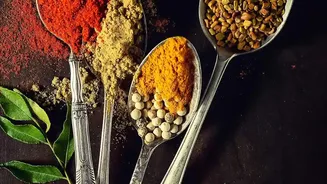
A cornerstone of Indian cuisine, turmeric's vibrant yellow hue comes from curcumin, its active compound. Curcumin is a powerful anti-inflammatory agent that has been studied for its role in managing joint pain, particularly in conditions like osteoarthritis. Some studies have even found its effects to be comparable to certain anti-inflammatory drugs, but with fewer gastrointestinal side effects. However, curcumin is not easily absorbed by the body on its own. The good news is that combining it with black pepper significantly enhances its absorption. The piperine in black pepper can increase curcumin's bioavailability by up to 2,000%, making your daily dal or curry even more beneficial.
Go Green with Leafy Vegetables
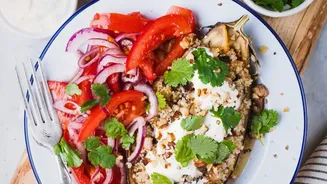
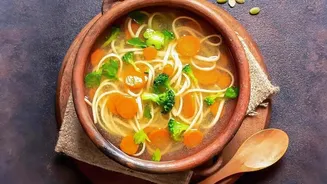
Dark leafy greens such as spinach (palak), kale, and fenugreek (methi) are nutritional powerhouses. They are packed with antioxidants like vitamins A, C, and K, which help protect cells from damage caused by free radicals—unstable molecules linked to inflammation. Many of these greens, especially cruciferous vegetables like broccoli and cabbage, also contain a compound called sulforaphane. Some research suggests sulforaphane may help block the inflammatory process and slow cartilage damage in osteoarthritis. Including a generous portion of these greens in your daily meals is a simple and effective strategy for supporting joint health.
Add in Nuts and Seeds
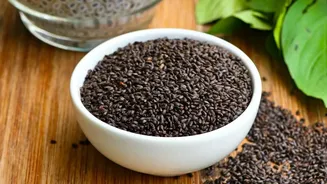
Don't underestimate the might of a small handful of nuts and seeds. Walnuts, almonds, flaxseeds (alsi), and chia seeds are excellent sources of anti-inflammatory fats, including plant-based omega-3 fatty acids. Walnuts are particularly rich in these healthy fats. These ingredients not only help combat inflammation but also provide essential vitamins and minerals that support overall bone and joint integrity. You can easily sprinkle them over salads, blend them into smoothies, or simply enjoy them as a snack to help keep your joints lubricated and comfortable.
Utilise Ginger and Garlic
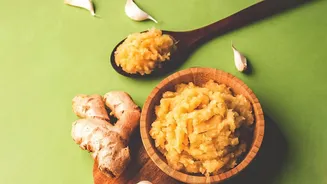
Like turmeric, ginger and garlic are indispensable in Indian cooking and also boast impressive anti-inflammatory credentials. Ginger contains compounds called gingerols, which can help reduce inflammation and pain. Garlic contains diallyl disulfide, an anti-inflammatory compound that may help limit the effects of cartilage-damaging enzymes. Regularly using fresh ginger and garlic in your cooking not only enhances flavour but also contributes to a diet that actively fights joint inflammation and supports better mobility.
Enjoy Colourful Berries and Cherries
Fruits like berries and cherries get their rich, deep colours from antioxidants called anthocyanins. These compounds have been shown to have a significant anti-inflammatory effect in the body. Whether you enjoy them fresh or frozen, incorporating a variety of berries into your diet, perhaps in yogurt or oatmeal, can help reduce the oxidative stress that contributes to joint damage over time. Cherries, in particular, are often noted for their potential to reduce symptoms associated with inflammatory arthritis.