




From Last Post to First Welcome
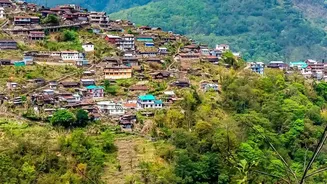
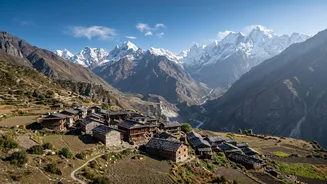
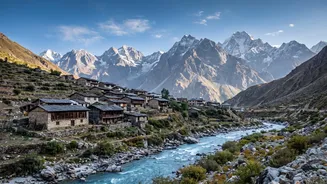
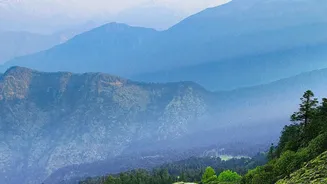
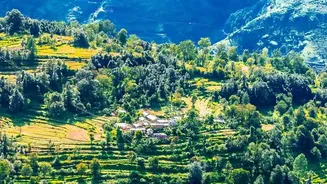
Perched at an altitude of over 10,000 feet in Uttarakhand's Chamoli district, Mana has long been known as the final settlement before the Mana Pass and the border with Tibet. This geographical reality cemented its identity as the 'last village'. However,
this narrative was officially reversed when the Border Roads Organisation (BRO) installed a new signboard declaring it the 'First Indian Village'. The change was inspired by a statement from Prime Minister Narendra Modi, who argued that border settlements should be seen not as the nation's periphery, but as its starting point and first line of defence. This symbolic act reframes the very identity of Mana and thousands of other remote border habitations, turning what was once seen as an endpoint into a proud beginning.
The Engine Behind the Change: Vibrant Villages Programme
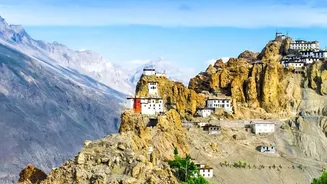
The 'First Village' designation is the public face of a much larger central government initiative: the Vibrant Villages Programme (VVP). This centrally sponsored scheme was launched to focus on the comprehensive development of villages along India's northern border, particularly those abutting China. The programme aims to counter the trend of out-migration from these remote areas by improving the quality of life and providing sustainable livelihood opportunities. With an initial outlay of ₹4800 crore, the first phase targets 662 villages across states like Arunachal Pradesh, Himachal Pradesh, Sikkim, and Uttarakhand, as well as the Union Territory of Ladakh. The goal is to transform these settlements into self-sufficient, thriving communities through targeted interventions.
More Than Just a Signboard: Tangible Impacts
The VVP is not just about new signs; it's about creating tangible change. The programme focuses on key areas like all-weather road connectivity, reliable electricity and water supply, and robust telecom and internet services. It also seeks to generate economic growth by promoting tourism, skill development, and local entrepreneurship, often based on the 'One Village, One Product' concept. For a village like Mana, which is already a destination for pilgrims visiting nearby Badrinath and trekkers, this means a significant boost. Better infrastructure can attract more tourists, while support for local cooperatives and homestays helps ensure that the economic benefits are retained within the community, encouraging residents to stay and invest in their ancestral homes.
A New Sense of Purpose and Security
Beyond the economic and infrastructural upgrades, the 'First Village' label provides a powerful psychological boost. For years, residents of border villages have contended with a sense of isolation. This initiative fundamentally alters that narrative. By defining these villages as integral to the nation's identity and security, the government is fostering a renewed sense of belonging and importance. This approach treats development and security as two sides of the same coin. A populated, economically active, and well-connected border village is not just a better place to live; it also serves as a crucial asset for national security, with residents acting as the 'eyes and ears' on the frontier. This reverses the trend of 'ghost villages' and strengthens the civilian presence in strategically sensitive areas.