





What is E20 and Why The Worry?
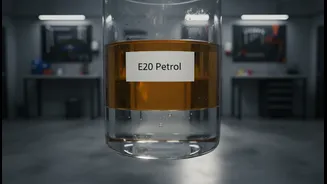
E20 is petrol blended with 20% ethanol, a key part of India's strategy to reduce crude oil imports and lower emissions. The concern stems from one of ethanol's key chemical properties: it is 'hygroscopic', meaning it attracts and absorbs water molecules
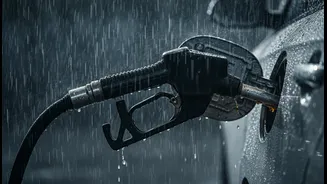
from the environment. During the highly humid monsoon season, fears have spread that this could lead to significant water contamination in a vehicle's fuel tank. The theory is that this water-ethanol mixture, being denser than petrol, could sink to the bottom of the tank, from where the fuel pump draws fuel, potentially sending a damaging slug of water into the engine.
FADA's Call for Context
The Federation of Automobile Dealers Associations (FADA) has stepped in to address the growing panic. While not denying the scientific properties of ethanol, FADA clarifies that these characteristics are well-known and have been accounted for in fuel standards, storage protocols, and modern vehicle design. The association has stated that claims of E20 causing unique water contamination are "misleading." FADA President C S Vigneshwar has publicly stated that across their network of around 30,000 dealerships, they have not received a single documented complaint of engine damage directly attributable to E20 fuel. FADA's stance is that issues are more likely to arise from pre-existing problems like poor maintenance at fuel stations or on the vehicle itself, rather than from the approved fuel.
The Science of 'Phase Separation'
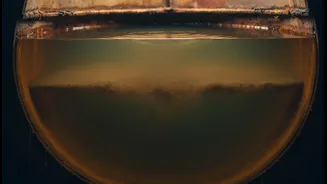
The critical issue is a process called 'phase separation'. This happens when the amount of water in an ethanol-petrol blend exceeds a certain threshold (around 0.5%). At this point, the ethanol can no longer hold the water in suspension, and it separates from the petrol, bonding with the water and sinking. However, for this to occur, a significant amount of water needs to enter the fuel system in the first place. Experts argue that the tiny amount of moisture absorbed from humid air is typically not enough to trigger this in a properly sealed fuel system. The real culprit is often direct water ingress, which can happen due to a faulty fuel cap, degraded seals, or, more commonly, contaminated fuel from poorly maintained underground storage tanks at petrol pumps.
Are Modern Cars and Fuel Pumps Ready?
Automobile and oil companies have been preparing for this transition. Most cars manufactured since 2023 are explicitly designed to be E20 compliant, featuring materials in the fuel lines, seals, and tank that can handle higher ethanol blends without corrosion or degradation. The government and industry bodies like the ARAI have conducted extensive testing, concluding that E20 is safe for use in both new and many older vehicles. While a marginal drop in fuel efficiency of 3-5% is acknowledged, they report no evidence of widespread engine damage. Similarly, oil marketing companies have been upgrading infrastructure, such as replacing seals on dispensing units, to handle E20 safely.
Monsoon Care: What You Can Do
Instead of panicking about the fuel, experts advise focusing on vehicle maintenance. The best defence is a proactive one. First, ensure your vehicle's fuel cap and its rubber seal are in good condition to prevent water from seeping in during rain or washing. Second, try to refuel at reputable, high-turnover petrol stations, as they are more likely to have well-maintained, clean storage tanks. Avoid letting your fuel tank run near empty for long periods; a fuller tank has less space for humid air to condense. If you own an older vehicle not certified for E20, it's wise to consult your authorised service centre for advice on its compatibility and any necessary precautions. Regular servicing, as prescribed by the manufacturer, remains the best way to keep your entire fuel system in good health.