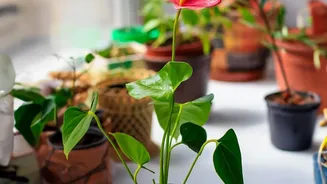







Adjust Your Watering Schedule
After weeks of consistent rain, the most critical change is your watering routine. The soil in your pots has likely been saturated, and with humidity levels still high, it will dry out much slower than in peak summer. Overwatering is the biggest risk
now, leading to root rot. Before watering, always check the soil; insert your finger two to three inches deep. If it feels moist, wait another day or two. When you do water, do it thoroughly until it drains from the bottom, but do it less frequently. This allows the roots to get the oxygen they need and prevents the soggy conditions that fungi love.
Ease Plants Back Into Sunlight
Your plants have become accustomed to overcast skies and diffused light. Suddenly exposing them to intense, direct post-monsoon sun can cause their leaves to scorch and wilt. Transition them gradually. If possible, move pots to a spot that receives gentle morning sun but is shielded from the harsh afternoon glare. For plants that cannot be moved, you can use a green net or even taller plants to create partial shade for a couple of weeks. Rotate your pots every few days to ensure all sides of the plant get even light exposure, preventing lopsided growth.
Prune for Health and New Growth
The monsoon often encourages rapid, sometimes leggy, growth. Now is the perfect time to give your plants a much-needed trim. Start by removing any yellowed, dead, or damaged leaves and branches. This not only tidies up the plant's appearance but also improves air circulation, which is crucial for preventing fungal diseases. For flowering plants, deadheading (removing spent blooms) is essential. This practice encourages the plant to direct its energy into producing new flowers instead of seeds, leading to more prolific blooming in the coming months.
Inspect for Pests and Diseases
The damp, humid conditions of the late monsoon are a breeding ground for pests and fungal issues like powdery mildew, leaf spot, and root rot. Inspect your plants carefully, paying close attention to the undersides of leaves and the soil surface. Common pests to look out for include aphids, mealybugs, and spider mites. If you spot any infestations, treat them immediately with an organic solution like neem oil spray. To prevent fungal growth, ensure good airflow between your plants and avoid watering the leaves directly—aim for the soil.
Replenish Soil Nutrients
Heavy rains can wash away essential nutrients from the soil, leaving your plants hungry. However, wait until the soil has had a chance to dry out a bit before you start fertilising, as feeding waterlogged plants can further damage the roots. Begin by gently loosening the topsoil to aerate it. Then, you can add a layer of fresh compost or well-rotted manure to replenish the soil's organic content. A balanced liquid fertiliser, applied at half strength initially, can also provide a much-needed boost to support new growth and a fresh round of flowering.