







Your Body's Internal Clock
Deep inside your brain, a master clock known as the suprachiasmatic nucleus orchestrates your body's daily rhythms. This is your circadian rhythm, a roughly 24-hour cycle that governs everything from your sleep-wake patterns and hormone release to your body temperature
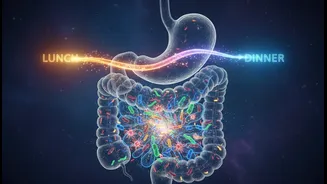
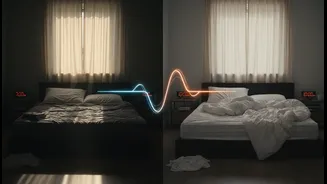
and metabolism. While this central clock is primarily synced by light and darkness, researchers have discovered that our organs—like the liver, pancreas, and gut—have their own peripheral clocks. And one of the most powerful cues for these clocks isn't light, but food. Eating helps tell your body it's time to be awake and active. When your eating schedule is out of sync with your sleep schedule, it can confuse these internal timekeepers, leading to what scientists call circadian misalignment.
The Science of Chrononutrition
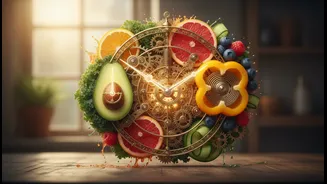
This is where chrononutrition comes in. It's a discipline focused on how meal timing interacts with our circadian rhythms to affect our health. The core idea is that our bodies are primed to digest and metabolize food more efficiently during our active hours—basically, during the day. As evening approaches, our metabolism naturally slows down. The body starts producing melatonin to prepare for sleep, and insulin sensitivity decreases. This means that the same meal eaten at 8 p.m. can have a very different metabolic impact than if it were eaten at 1 p.m. Eating late at night forces your body to focus on digestion when it should be winding down for restorative sleep, disrupting both processes.
The Risks of Late-Night Eating
A growing body of evidence links eating late in the day and night to a host of health problems. Studies have associated late eating with an increased risk of obesity, higher body fat, and difficulty losing weight. When we eat late, our bodies may be more inclined to store calories as fat. This misalignment can also impair the body's ability to manage blood sugar, increasing the risk of elevated glucose and insulin levels, which are precursors to type 2 diabetes. Beyond metabolic issues, eating late can also disrupt sleep quality by causing indigestion or acid reflux, and some research suggests it can even contribute to emotional instability by altering hormones that regulate mood.
How to Sync Your Clocks for Better Health
The good news is that aligning your eating habits with your body's natural rhythm is a powerful and accessible strategy for improving your well-being. The key principle is to consume more of your calories earlier in the day and have a lighter, earlier dinner. Research on time-restricted eating (TRE), where food intake is limited to a specific window of time each day, shows significant benefits. One study found that simply shortening the eating window from 14 hours to 10-12 hours led to weight loss and better sleep. Consuming meals primarily between sunrise and sunset can enhance your body's natural rhythms and promote better metabolic health. People who eat at consistent times also tend to report better sleep and lower stress levels.
Simple Steps to Better Timing
You don't need a complete life overhaul to reap the benefits of chrononutrition. Start with a few small adjustments. Try to eat a substantial breakfast to kickstart your metabolism and signal to your body that the day has begun. Aim to have your last major meal at least two to three hours before you go to bed. This gives your digestive system time to work before your body shifts into sleep mode. If you feel hungry in the evening, opt for a light, easily digestible snack like fruit or nuts instead of a heavy meal. Most importantly, strive for consistency. Eating your meals at roughly the same time each day helps regulate your internal clocks, promoting better sleep and overall health.