





The Caffeine Divide
The most significant difference between rooibos and green tea is caffeine. Green tea is made from the Camellia sinensis plant, which naturally contains caffeine. An average cup has about 20 to 45 milligrams. This provides a gentle mental lift and can enhance
alertness, making it a popular morning or afternoon choice. In contrast, rooibos is an herbal infusion made from the Aspalathus linearis shrub, a plant native to South Africa that is entirely caffeine-free. This makes rooibos an excellent choice for any time of day, especially in the evening, as it will not interfere with sleep. It's also a suitable option for children, pregnant women, or anyone sensitive to caffeine's effects.
Tannins, Taste and Texture
Tannins are natural compounds that affect a tea's flavour and astringency. Green tea has a higher concentration of tannins, which contributes to its characteristically fresh, grassy, but sometimes bitter taste, especially if it's brewed for too long or with water that's too hot. Rooibos, on the other hand, is naturally very low in tannins. This results in a smoother, naturally sweet, and earthy flavour that rarely becomes bitter, even with long steeping times. The low tannin content in rooibos also has a practical health implication: high levels of tannins can interfere with the body's absorption of iron, making rooibos a better choice for individuals with iron deficiencies.
A Tale of Two Antioxidant Profiles
Both teas are rich in antioxidants, but they offer very different types. Green tea is famous for its high concentration of catechins, particularly epigallocatechin-3-gallate (EGCG). EGCG is a powerful and well-researched antioxidant linked to numerous health benefits, including supporting heart health, brain function, and metabolism. Rooibos boasts its own unique and potent antioxidants, including aspalathin and quercetin. Aspalathin, which is found almost exclusively in the rooibos plant, has shown potential for helping to balance blood sugar levels and fighting inflammation. Quercetin is another anti-inflammatory antioxidant that may help with allergies. So, while green tea may have a higher raw antioxidant count, the compounds in rooibos offer a different set of protective benefits.
Origins and Preparation
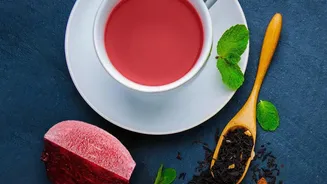
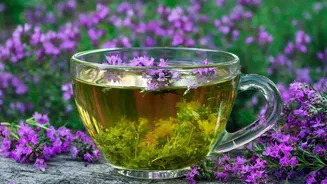
The fundamental differences between these two beverages begin with their origins. Green tea comes from the Camellia sinensis plant, which is cultivated widely across Asia, with China and Japan being the most famous producers. The leaves are typically steamed or pan-fired shortly after harvesting to prevent oxidation and preserve their green colour and fresh flavour. Rooibos, or 'red bush' tea, comes exclusively from the Aspalathus linearis shrub grown in the Cederberg mountain region of South Africa. The traditional red rooibos is made by fermenting (oxidizing) the leaves, which develops their reddish-brown colour and enhances their sweet, nutty flavour. These differences also call for different brewing methods. Green tea is best steeped in water just under boiling for a few minutes, while rooibos is more forgiving and can be steeped in boiling water for much longer to draw out its full flavour.
Which Brew is Best for You?
Choosing between rooibos and green tea depends entirely on your personal needs and preferences. If you're looking for a gentle energy boost and the well-studied benefits of EGCG, green tea is an excellent choice. It's ideal for kick-starting your day or overcoming an afternoon slump. However, if you are sensitive to caffeine, want a calming beverage to enjoy before bed, or are concerned about iron absorption, rooibos is the superior option. Its smooth, sweet flavour and unique antioxidants like aspalathin make it a comforting and beneficial drink at any hour. Ultimately, there is room for both in a balanced lifestyle, allowing you to enjoy a wider range of flavours and plant compounds.