









The Engine of Digital India
A perfect storm of digital demand is fuelling this construction frenzy. The nationwide rollout of 5G has dramatically increased data consumption, while hundreds of millions of Indians embrace e-commerce, online gaming, and OTT streaming services. Businesses
are rapidly migrating to cloud-based services, and government initiatives like Digital India continue to bring more of the economy online. More recently, the explosive growth of Artificial Intelligence has become a primary catalyst. AI applications require immense computational power and generate vast amounts of data, demanding a new generation of high-density, AI-ready data centres. This isn't just about more data; it's about more complex and demanding workloads that require infrastructure on a whole new scale.
A Multi-Billion Dollar Building Boom
The numbers behind this expansion are staggering. India's data centre capacity is on track to more than double in just a few years, from around 950 megawatts (MW) in early 2024 to an expected 2,000 MW by 2026. To put this in perspective, capacity additions in 2025 alone were more than double those of the previous year. This boom is attracting enormous investment, with an estimated USD 90 billion pipeline of announced and under-development projects. Both domestic giants and international players are pouring capital into the sector, transforming India into one of the most significant data centre growth markets in the Asia-Pacific region. The government has fanned the flames by granting data centres 'infrastructure status', making it easier to access financing, and by enacting policies that encourage data to be stored locally.
The Hyperscaler Hunger
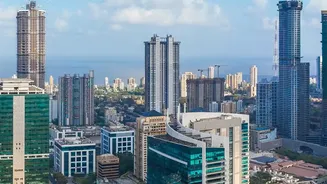
A key driver of this growth is the relentless demand from 'hyperscalers'—the global tech giants like Amazon Web Services (AWS), Google, and Microsoft that provide cloud computing services. As more Indian enterprises shift their IT infrastructure to the cloud, these companies need massive, reliable, and efficient local data centres to serve their customers. They are collectively investing billions to expand their footprints across the country. This has created a surge in demand for colocation providers—companies like AdaniConneX, Yotta, and CtrlS—that build and manage the physical data centre shells, which hyperscalers then lease and fill with their own servers and networking gear. Mumbai remains the epicentre of this activity, with the city's capacity alone expected to surpass 1 GW, but new hubs are rapidly emerging in Chennai, Hyderabad, and Delhi NCR.
Challenges on the Horizon
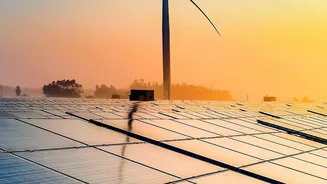
This unprecedented growth is not without its challenges. Data centres are incredibly power-hungry, and the rise of AI is making them even more so. By 2030, data centres could account for nearly 3% of India's total electricity consumption. They also require vast amounts of water for cooling. As the industry scales, ensuring a stable and sustainable supply of power and water is becoming a critical issue. Furthermore, the industry faces hurdles in acquiring suitable land and navigating complex regulations. Developers who can secure land and power while building energy-efficient, sustainable facilities will be the long-term winners in this high-stakes race.