







What Is the National Digital Tourism Stack?
Think of it as a digital highway for tourism. Instead of every travel company building its own separate road, the National Digital Tourism Stack (NDTS), also called the Unified Digital Tourism Stack (UDTS), creates a shared public infrastructure. Launched
on World Tourism Day 2026 by the Ministry of Tourism in collaboration with the Open Network for Digital Commerce (ONDC), it’s not another government booking website. Rather, it's a backend system that allows any tourism provider—from large hotel chains to a single homestay owner—to list their services once and have them appear on multiple participating travel apps and platforms. The goal is to break down the digital walls that currently separate different parts of the travel industry, creating a connected and more trustworthy ecosystem.
The Role of AI: Your New Travel Assistant
This is where the experience becomes personal. Artificial Intelligence (AI) will be the friendly face of this complex digital stack. For travellers, this means interacting with intelligent, AI-powered interfaces that can act as personal digital travel agents. Imagine a chatbot or an app that understands your interests, budget, and travel style to provide hyper-personalised recommendations for destinations, activities, and accommodations. These AI tools will help build custom itineraries, translate languages, and simplify the entire discovery and planning process. The vision is to create a seamless "One ticket, One pass" journey, where a traveller can book flights, a remote homestay, a local guide, and even a temple visit through a single, unified experience.
Empowering the Unseen India
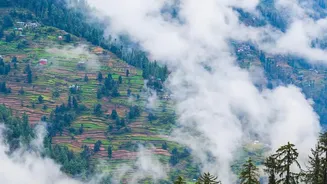
Perhaps the most significant promise of the NDTS is its focus on inclusivity. For years, countless small-scale tourism providers—local guides with deep knowledge, families running charming homestays, and artisans offering unique cultural experiences—have been invisible to the digital marketplace. They lacked the resources or technical skills to get listed on major booking platforms. The new stack aims to bridge this gap. By creating an open and accessible network, it gives these small entrepreneurs direct access to a nationwide market. This increased visibility is intended to ensure that the economic benefits of tourism reach local communities, women, and youth, moving beyond the already crowded tourist hotspots.
What This Means for Your Next Trip
For the average traveller, this initiative promises a fundamental shift from a fragmented and sometimes frustrating process to a streamlined and discovery-led one. The unified network will enhance trust by incorporating verified provider credentials, transparent ratings, and a clear system for grievance redressal. You'll have easier access to authentic, off-the-beaten-path experiences that were previously hard to find and book. This initiative works in tandem with the 'Dekho Apna Desh 2.0' program, which actively promotes lesser-known but well-equipped destinations. The ultimate aim is to give you more choice, greater confidence in your bookings, and the ability to explore the true breadth of India’s cultural and natural heritage.
The Road Ahead and Challenges
The vision is ambitious, with a target of onboarding 23,000 tourism offerings, including 9,000 homestays and 14,000 experiences, by the end of 2028. The rollout will happen in phases, with a pilot scheduled to begin in January 2027. While over 1,000 experiences, including many ASI monuments and museums, are already transacting on the ONDC network, success will depend on overcoming key challenges. These include ensuring widespread digital literacy among small providers in remote areas, guaranteeing reliable internet connectivity, and building robust systems to verify the quality and safety of all listed services. The true test will be in extending this digital plumbing to the most remote corners of the country and ensuring it genuinely empowers the people it is designed to help.