

The Empty Stomach Debate
The most common piece of advice is to avoid eating a banana on an empty stomach. The concern stems from its sugar content. A medium banana contains about 14-15 grams of naturally occurring sugar. When eaten alone, particularly first thing in the morning,
this can cause a rapid rise in blood sugar. For some people, this initial energy boost is followed by a 'crash', leaving them feeling tired and hungry again relatively quickly. Furthermore, while bananas are a great source of minerals like potassium and magnesium, a sudden influx on an empty stomach could potentially cause a temporary mineral imbalance, though this is rare in healthy individuals. Some people with sensitive stomachs may also experience discomfort or bloating.
The Simple Power of Pairing
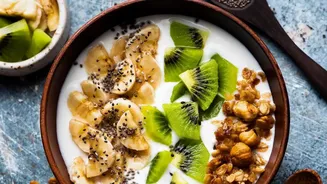
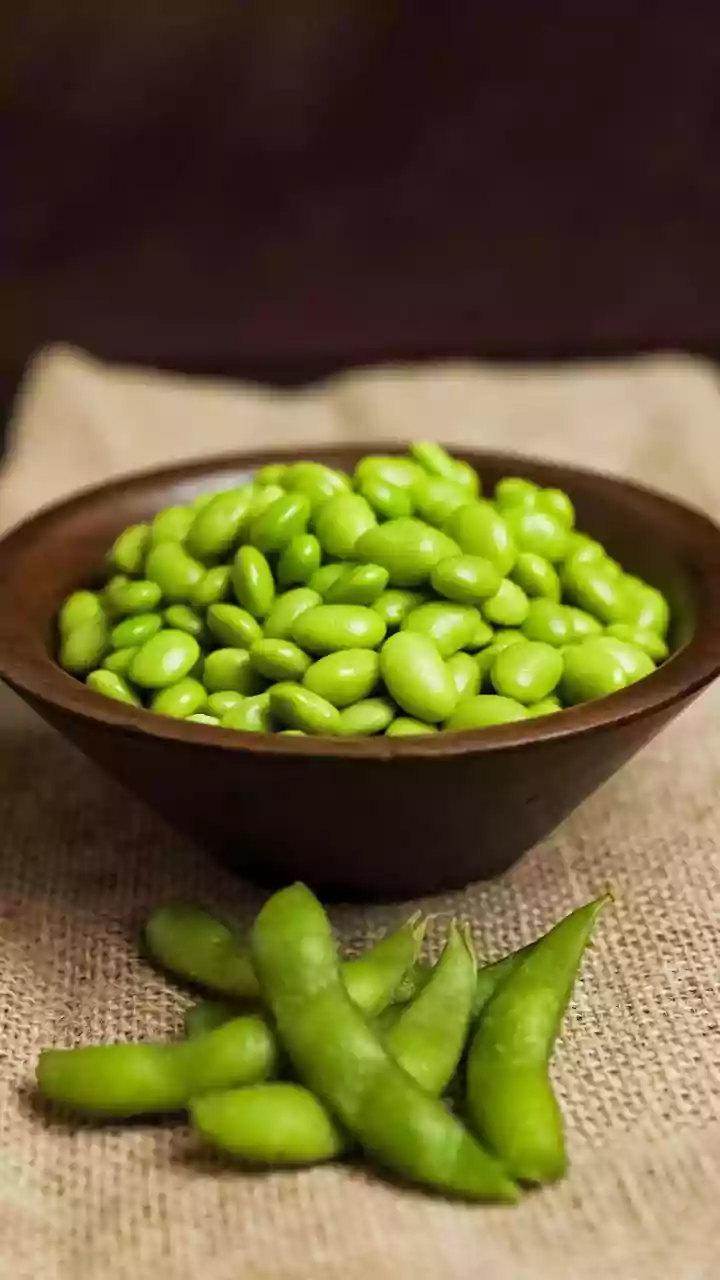
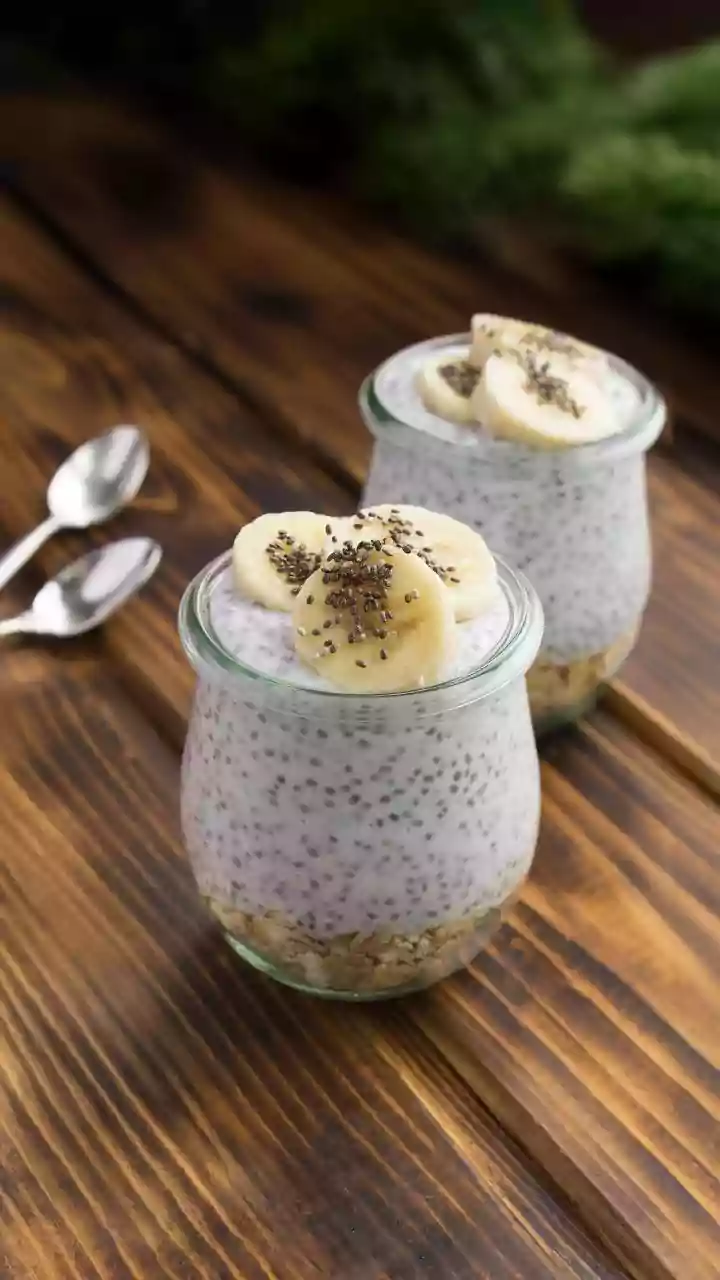
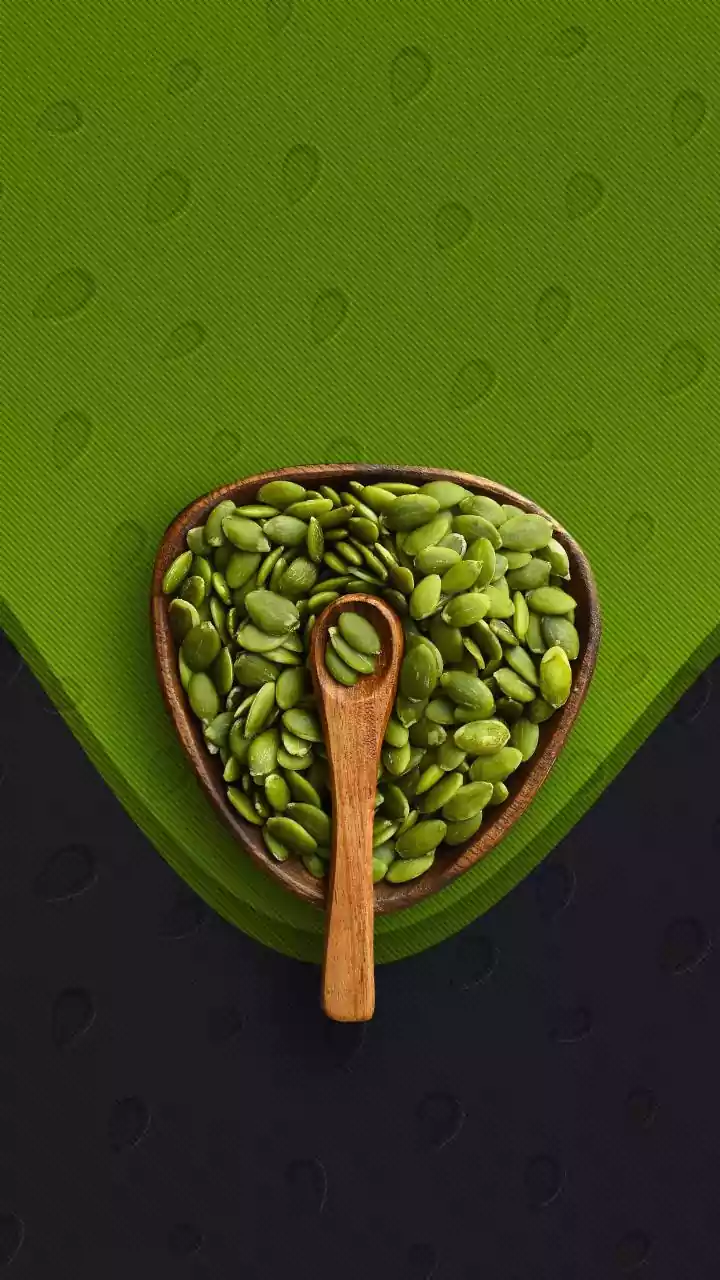
The solution to the 'empty stomach' issue is simple and effective: pairing. You don't have to give up your morning banana; just don't eat it alone. Combining the banana with a source of protein, healthy fat, or additional fibre slows down the digestion and absorption of its sugars. This helps to prevent a sharp spike in blood sugar and promotes a more gradual, sustained release of energy. Simple pairings like a handful of nuts, a scoop of peanut butter, a bowl of dahi (yoghurt), or adding sliced banana to oatmeal can transform it into a more balanced and satisfying meal. This simple strategy makes you feel fuller for longer and sidesteps the potential energy crash.
Bananas as Functional Fuel
Beyond breakfast, banana timing can be strategic, especially around exercise. Thanks to their easily digestible carbohydrates, bananas make an excellent pre-workout snack, providing a quick source of fuel for your muscles when eaten 30 to 60 minutes before exercise. The potassium they contain also helps prevent muscle cramps. Post-workout, a banana can be just as beneficial. The carbohydrates help to replenish your muscles' depleted glycogen (fuel) stores, which is a crucial part of the recovery process. For optimal muscle repair, sports nutritionists often recommend combining carbohydrates and protein after a workout, making a banana smoothie with milk or protein powder an ideal recovery drink.
Zooming Out: The Total Diet Approach
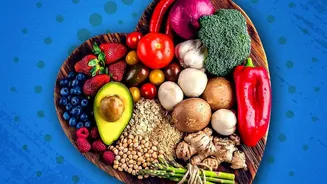
While there are slightly better times to eat a banana, the debate often creates unnecessary stress. Nutrition science has increasingly shifted its focus from single nutrients or individual foods to the concept of 'total dietary patterns'. This approach recognizes that the combination of all the foods and beverages you consume over days, weeks, and months has the most significant impact on your long-term health. Worrying about whether a banana at 8 a.m. is 'bad' becomes almost irrelevant if the rest of your day includes a variety of whole grains, lean proteins, vegetables, and healthy fats. One food, or one meal, does not make or break a healthy diet. It is the overall quality and consistency of your choices that truly matters.
What Really Moves the Needle
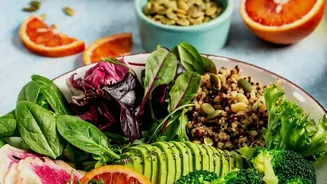
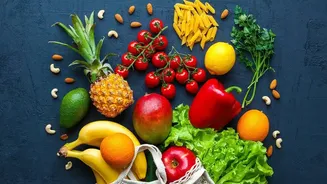
Instead of hyper-focusing on the timing of one fruit, it’s more productive to focus on building a resilient, healthy eating pattern. This involves a few key principles. Prioritize variety across all food groups to ensure you get a wide range of vitamins and minerals. Aim to make at least half of your grains whole grains. Include a source of lean protein with each meal to support muscle health and satiety. Fill your plate with colourful vegetables and fruits. Finally, stay hydrated and limit added sugars and highly processed foods. When these fundamentals are in place, the marginal effects of when you eat a banana are minimal for most healthy people. The goal is not perfection with every single food item, but balance and quality across your entire diet.