




The Origin of a Viral Figure
The Rs 2.5 lakh per minute estimate is not a new calculation. It dates back to 2012, when the then Parliamentary Affairs Minister, Pawan Kumar Bansal, mentioned it in Parliament. The figure was derived by taking the total annual budget allocated for running
the Parliament and dividing it by the total number of working minutes in a year. Think tanks like PRS Legislative Research have since used this benchmark to put a number on the time lost during disruptions. However, this figure is now well over a decade old and doesn't account for inflation or subsequent increases in parliamentary expenditure, meaning the actual illustrative cost today is likely much higher.
What the Estimate Includes
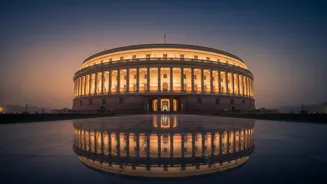
Calculating the cost of running a nation's legislature is an intricate task. The estimate attempts to bundle a vast range of expenses into a single, digestible number. These costs include the salaries and allowances paid to hundreds of Members of Parliament in both the Lok Sabha and Rajya Sabha. It also factors in the salaries of the vast support staff, from secretariat employees to security personnel. Furthermore, it covers the operational overheads of the parliamentary complex itself — expenses like electricity, building maintenance, and administrative costs. When rolled together, these expenditures form the basis for the budget that is then broken down to create the per-minute estimate.
Why 'Illustrative' is the Key Word
The main reason the Rs 2.5 lakh figure is illustrative, not exact, is the difference between fixed and variable costs. Most of Parliament's expenses are fixed. The salaries of MPs and staff, building maintenance, and security costs have to be paid regardless of whether the Houses are functioning smoothly or are adjourned due to protests. An adjournment does not mean the government suddenly 'saves' that money. The expenditure has already been allocated and is being incurred. Therefore, the Rs 2.5 lakh figure does not represent cash being actively burned every minute a disruption occurs. Instead, it serves as a powerful symbol of the value of the legislative time that is being lost.
The Real Cost of Lost Time
The true cost of parliamentary disruptions goes far beyond any monetary figure. The most significant loss is that of legislative scrutiny and accountability. Each session has a limited number of hours allocated for specific functions. The Question Hour, for instance, is a critical tool for MPs to hold the government and its ministries accountable. When this time is lost to adjournments, crucial questions go unasked, and ministers are spared from providing public answers. Similarly, time allocated for debating new laws is lost. This can lead to bills being passed with little to no discussion, undermining the democratic process of deliberation and consensus-building that Parliament is meant to uphold.
Beyond the Numbers: Productivity and Purpose
Focusing solely on the financial cost per minute can obscure the larger issue of parliamentary productivity. Data from recent sessions shows a worrying trend of decreasing work hours. For example, during the 2026 Monsoon Session, the Lok Sabha worked for only about 15% of its scheduled time, while the Rajya Sabha managed around 33%. This loss of functional time impacts the entire nation. It delays the passing of important legislation, prevents discussion on urgent public matters, and erodes public faith in the institution. While some sessions demonstrate high productivity, the frequent washouts highlight a systemic challenge. The debate, therefore, should not just be about the money but about ensuring Parliament can fulfil its constitutional mandate effectively.