
The Great Nutrient Debate
We often focus on the inherent goodness of vegetables, weighing whether spinach is better than kale or if carrots pack more punch than sweet potatoes. While each vegetable does have a unique profile of vitamins and minerals, the story doesn't end there.
The cooking method you use can dramatically alter this profile, sometimes preserving nutrients and other times sending them right down the drain. Understanding this interplay is key to getting the most out of your healthy meals. The central question isn't just what you eat, but how you prepare it.
Water-Soluble vs. Fat-Soluble Nutrients
To understand how cooking affects vegetables, it helps to know about two main categories of vitamins. Water-soluble vitamins, like Vitamin C and the B-complex vitamins, are sensitive to both heat and water. When you boil vegetables, these vitamins can leach out into the cooking water, meaning you lose a significant portion of the benefits unless you consume the liquid, as in a soup or stew. Fat-soluble vitamins, such as A, D, E, and K, are more stable in water. However, they are best absorbed by the body when consumed with a little bit of fat, which makes cooking methods like stir-frying with a healthy oil beneficial.
Cooking Methods That Preserve Nutrients
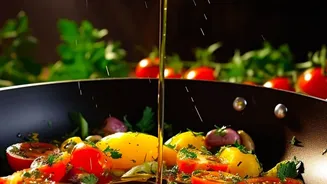
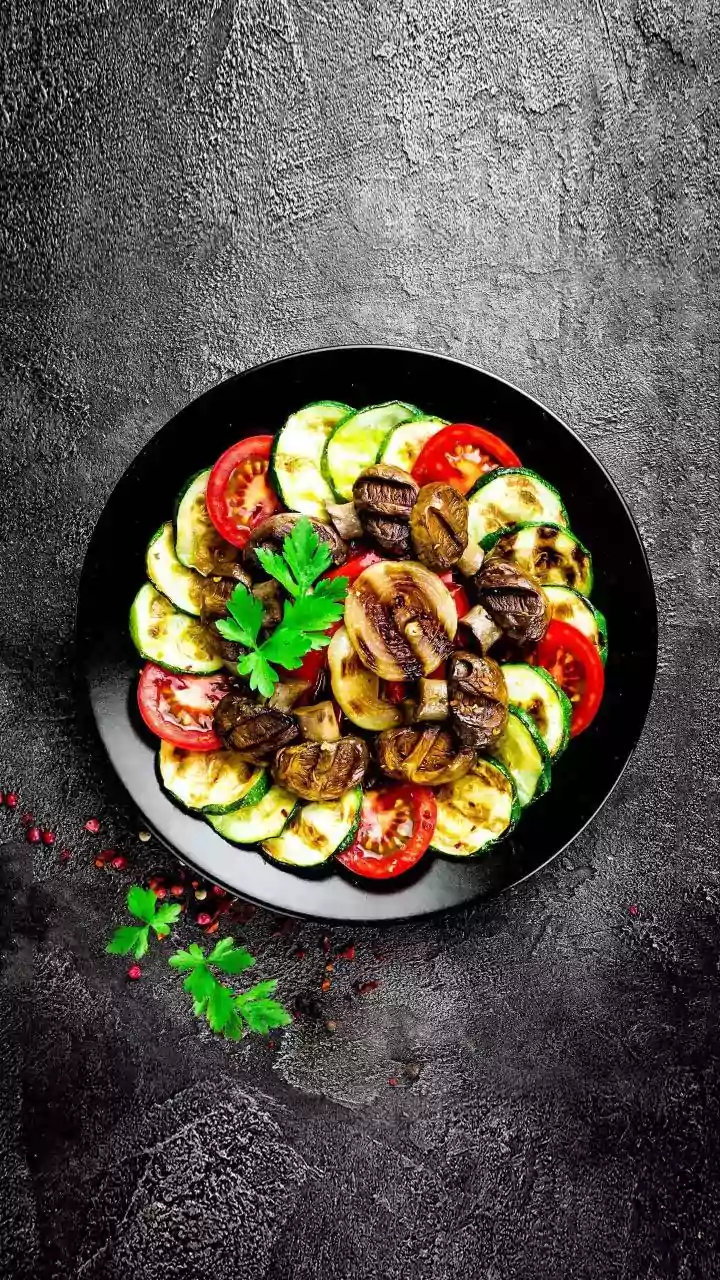
Not all cooking methods are created equal. If nutrient retention is your goal, some techniques are clear winners. Steaming is one of the best, as it cooks vegetables with gentle, moist heat without submerging them in water, thus preserving most of their water-soluble vitamins. Surprisingly, microwaving also ranks high. Its fast cooking time and minimal water usage help protect heat-sensitive nutrients effectively. Roasting and stir-frying are other excellent choices. Roasting uses dry heat, which helps limit nutrient leaching, while stir-frying for a short time in a small amount of healthy oil can actually enhance the absorption of fat-soluble vitamins and antioxidants like lycopene in tomatoes.
The Nutrient-Loss Culprits
The primary offender when it comes to nutrient loss is boiling. Submerging vegetables in a large amount of hot water for an extended period can cause a substantial loss of Vitamin C and B vitamins. Studies have shown that boiling can reduce Vitamin C content significantly, with some nutrients ending up in the discarded water. If boiling is unavoidable, there are ways to mitigate the damage. Try using as little water as possible and cooking the vegetables for the shortest amount of time. Even better, repurpose the nutrient-rich cooking liquid as a base for soups, curries, or gravies to reclaim some of those lost vitamins.
So, What Matters More?
Ultimately, both the vegetable you choose and the cooking method you employ are critical parts of a healthy diet. You can't cook nutrients into a vegetable that doesn't have them, so starting with a diverse range of fresh produce is fundamental. However, a nutrient-dense vegetable like broccoli can lose a large portion of its anti-cancer compounds if it's boiled excessively. In contrast, a simple carrot, when cooked properly, can offer more bioavailable beta-carotene than when raw. The key is to find a balance. The best approach is to eat a variety of both raw and cooked vegetables, prepared using methods that protect their nutritional integrity. This way, you ensure you're benefiting from the full spectrum of nutrients they have to offer, making your healthy choices count all the way to the dinner table.