



Start by Assessing Your Light
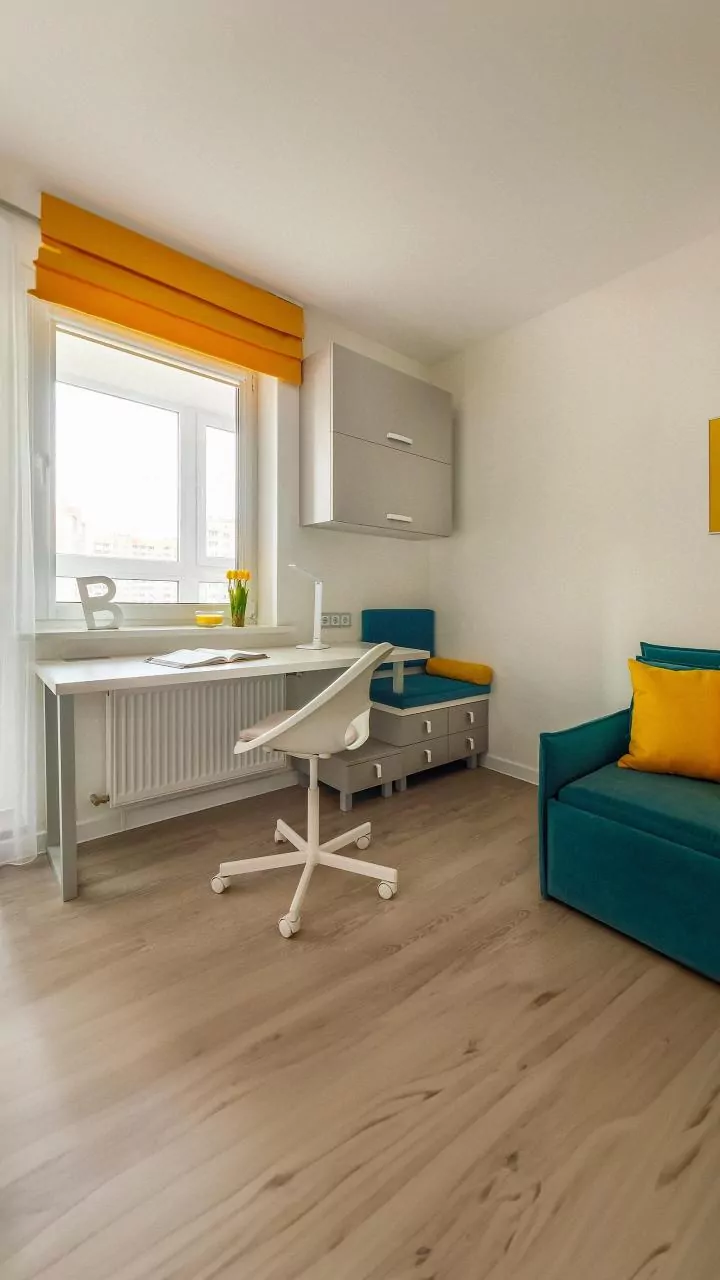
Before you fall in love with a plant, get to know your light. This is the most critical factor for a plant's survival. Observe the windows in the room where you want to place your new green friend. Does it get several hours of direct, bright sun? This is high
light. Is it bright for most of the day but without direct sunbeams? That's bright, indirect light, the sweet spot for many tropical plants. Or is the room north-facing or far from a window? That’s low light. Be honest about your conditions. A sun-loving succulent will not survive in a dim corner, and a low-light plant can get scorched on a sunny windowsill. A common mistake is assuming 'low light' means 'no light'. Every plant needs some light to photosynthesise, but low-light tolerant plants are adapted to survive in shadier spots.
Match Plants to Your Lifestyle
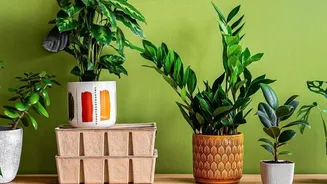
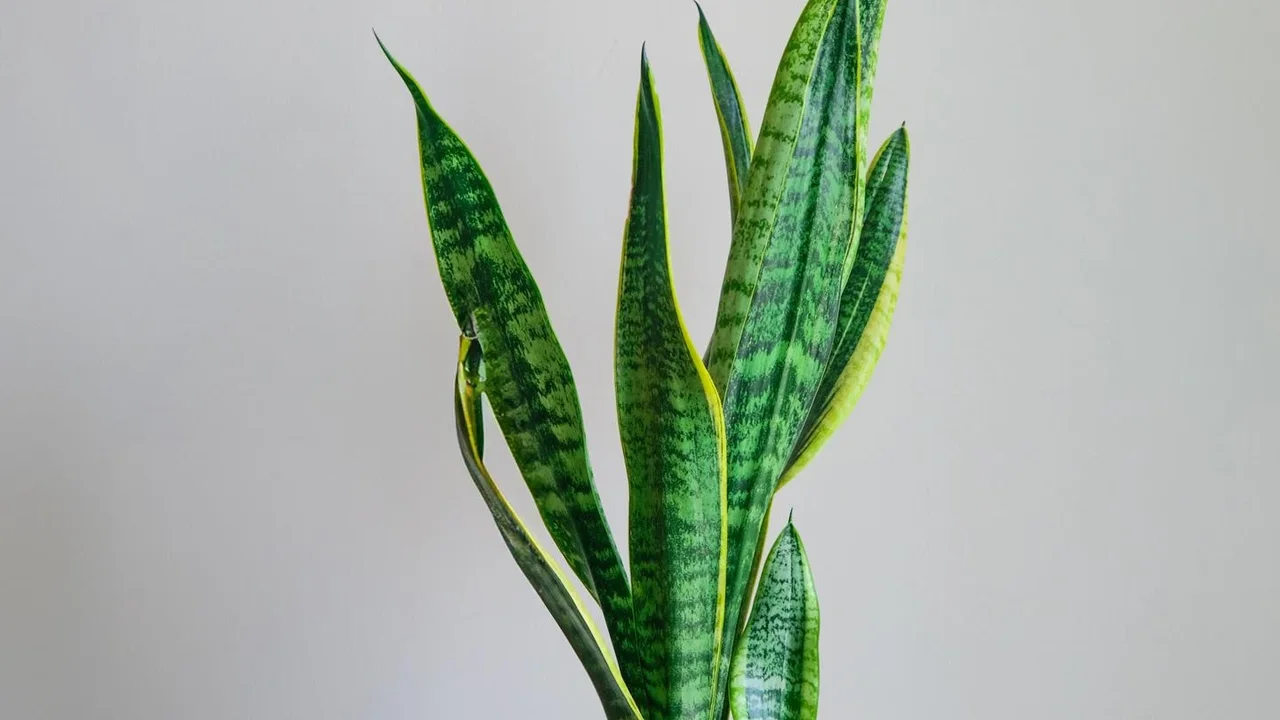
Now for some self-reflection: what kind of plant parent will you be? If you are busy, travel often, or are simply a bit forgetful, you need a plant that thrives on neglect. The ZZ Plant (Zamioculcas zamiifolia) and the Snake Plant (Dracaena trifasciata) are champions of tolerance, requiring infrequent watering. The Snake Plant is nearly indestructible and is a top pick for beginners. On the other hand, if you enjoy a routine and the ritual of nurturing, you might enjoy a plant that communicates its needs more clearly. A Peace Lily (Spathiphyllum), for example, will visibly droop when it's thirsty, making it hard to forget. Ferns often prefer consistently moist soil and higher humidity, making them a good fit for someone who loves to dote on their plants.
Consider Both Form and Function
Plants are a major decorative element. Think about the look you want to achieve. Are you looking for height in an empty corner? A tall Dracaena or a Fiddle Leaf Fig could be a great architectural statement. Do you want something to cascade down a bookshelf? A trailing Golden Pothos (Epipremnum aureum) or a Spider Plant (Chlorophytum comosum) would be perfect. Beyond aesthetics, some plants are known for their air-purifying qualities. A landmark 1989 NASA study found that plants like the Peace Lily, Snake Plant, and Spider Plant could remove certain volatile organic compounds (VOCs) from the air in a sealed environment. While you'd need a large number of plants to replicate those results in a typical home, they can still contribute to a healthier indoor environment.
Great Starter Plants for a Welcoming Vibe
If you're feeling overwhelmed, start with one of these famously forgiving and beautiful options. The Snake Plant is sleek, modern, and tolerates a wide range of light conditions. The Spider Plant is a classic for a reason; it's adaptable, easy to care for, and produces charming 'baby' plantlets that you can propagate. Golden Pothos is another excellent choice, known for its heart-shaped leaves and ability to thrive in both low light and bright, indirect light. It's a fast-growing vine that adds a lush, jungle feel. For something with a different texture, the ZZ Plant offers glossy, dark green leaves and requires very little attention.
A Crucial Check for Pets
If you have cats or dogs, ensuring your houseplants are non-toxic is non-negotiable. Many popular plants, including Peace Lilies, Pothos, Snake Plants, and Fiddle Leaf Figs, are toxic to pets if ingested. This doesn't necessarily mean you can't have them, but they must be placed securely out of reach. For a worry-free option, choose plants that are verified as pet-safe. Excellent choices include the Spider Plant, Parlor Palm, Boston Fern, and many varieties of Calathea and Peperomia. These plants are non-toxic, so you can place them anywhere without concern for your furry family members.