


A Winter of Missing Ice
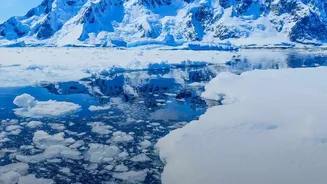
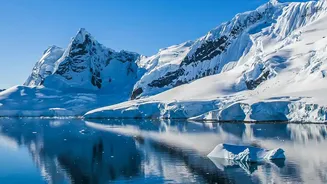
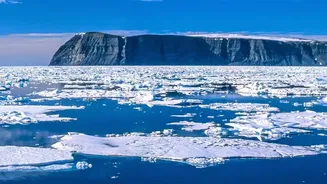
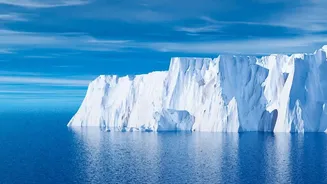
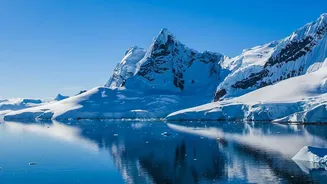
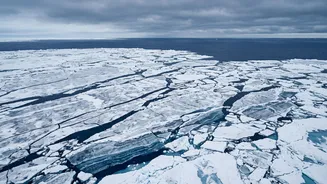
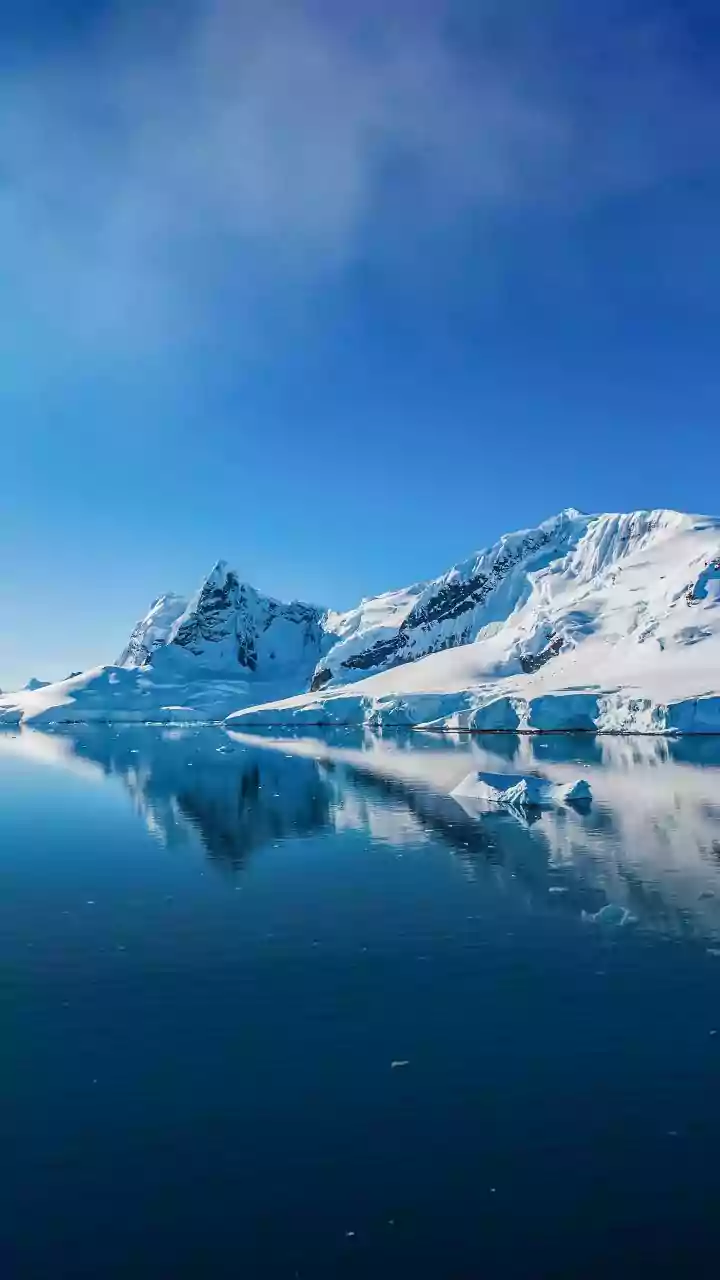
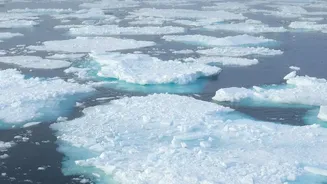
In the Southern Hemisphere's winter, the ocean around Antarctica freezes, expanding to cover a vast area. This floating sea ice typically reaches its maximum extent in late September. On September 14, 2026, it peaked at 17.59 million square kilometres.
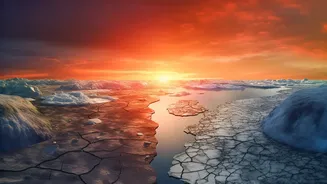
While that number sounds enormous, it is approximately 1 million square kilometres less than the long-term average—an area roughly twice the size of Spain. What’s more alarming to scientists is the pattern: the four lowest winter maximums in the satellite era (since 1979) have all occurred in the last four years. This consistency suggests a fundamental shift is underway. This follows a period where Antarctic sea ice was bucking the global warming trend, showing decades of slight growth or stability before an abrupt decline started around 2016.
Why is This Happening?
Unlike the Arctic, where the story is a straightforward case of melting due to rising air and water temperatures, Antarctica's situation is more complex. Scientists are investigating a combination of factors. Stronger winds circling the continent may be pushing ice around and causing it to break up. The current El Niño climate pattern is also thought to be a contributor, as it can alter storm tracks and churn up the ice. However, the most significant driver appears to be changes within the ocean itself. Warmer, saltier deep ocean water, which for decades was trapped beneath a layer of colder, fresher surface water, is now being pulled upwards. This process, known as upwelling, melts the sea ice from below, preventing it from reaching its former extent. This shift means heat that was stored deep in the ocean for decades is now being released to the surface, creating a feedback loop that makes it harder for ice to recover.
The Southern Ocean in Flux
The loss of sea ice is a powerful symptom of a much larger transformation in the Southern Ocean system. This ocean plays a critical role in regulating the global climate. It absorbs a significant amount of the excess heat and carbon dioxide produced by human activities. The annual cycle of sea ice formation and melt drives global ocean circulation currents. A key part of this is the formation of super-cold, dense saltwater that sinks to the seabed, creating what is known as Antarctic Bottom Water, a current that carries oxygen and nutrients around the globe. As the system changes, with less sea ice and warmer surface waters, the Southern Ocean's ability to perform these vital services could weaken, potentially accelerating the pace of global climate change.
A Global Ripple Effect
What happens in Antarctica doesn't stay in Antarctica. The bright white sea ice acts like a giant mirror, reflecting the sun's energy back into space. When it's replaced by dark open ocean, that energy is absorbed, further warming the planet in what is known as the ice-albedo feedback effect. While the melting of floating sea ice doesn't directly raise sea levels, it has an indirect and crucial impact. Sea ice acts as a protective barrier, or buttress, for the massive land-based ice shelves and glaciers that fringe the continent. As sea ice disappears, these ice shelves are more exposed to warmer ocean water and wave action, which can speed up their melting and flow into the sea, directly contributing to global sea-level rise. Changes in the Southern Ocean also have the potential to alter weather patterns far beyond the pole, affecting rainfall and storm intensity across the Southern Hemisphere and beyond.