





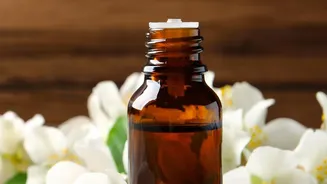
From Blossom to Bottle
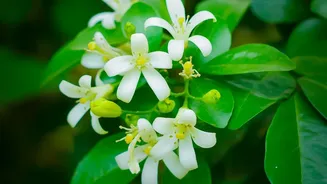
Neroli oil comes from the fragrant white flowers of the bitter orange tree, scientifically known as Citrus aurantium amara. Native to regions across the Mediterranean, parts of Asia, and North Africa, these trees produce blossoms so aromatic that they
have been coveted for centuries. Leading producers of this precious oil today include Tunisia, Morocco, and Egypt. The extraction process is meticulous and labor-intensive; the flowers are typically harvested by hand in the spring and then undergo steam distillation. This gentle process uses steam to release the volatile aromatic compounds from the blossoms, which are then condensed back into liquid form. The result is a pale yellow essential oil with a complex scent described as sweet and honeyed with green and spicy notes. Its name is said to have been popularized in the 17th century by an Italian princess of Nerola, who used the essence to perfume her gloves and bathwater.
A Multi-Tasking Skin Soother
One of neroli's most celebrated qualities is its ability to calm the skin. Rich in anti-inflammatory and antibacterial properties, it can help reduce redness and irritation, making it a valuable ingredient for those with sensitive or reactive skin. These same properties make it useful for managing acne-prone skin. By helping to combat blemish-causing bacteria and soothing the inflammation associated with breakouts, neroli oil can contribute to a clearer, more even complexion without harshness. Studies have highlighted its antimicrobial and antifungal effects, reinforcing its role as a gentle but effective ingredient for addressing skin impurities.
The Secret to Balanced Hydration
Finding an ingredient that works for both oily and dry skin types can be a challenge, but neroli oil masterfully strikes this balance. It's known for its ability to regulate sebum production, helping to control excess oiliness in combination or oily skin. At the same time, it acts as a natural hydrator that helps the skin retain moisture, leaving it feeling soft and supple rather than stripped or dry. This makes it an excellent choice for maintaining the right oil-water balance in the skin, a key factor for overall skin health and achieving a radiant, non-greasy glow.
A Rejuvenating, Anti-Aging Ally
Neroli oil is also a potent ally against the visible signs of aging. It is known to help stimulate skin cell regeneration, which can improve skin elasticity and firmness over time. This regenerative quality makes it a popular choice for addressing the appearance of fine lines, scars, and stretch marks. Furthermore, neroli oil is rich in antioxidants. These powerful compounds help protect the skin from damage caused by environmental stressors and free radicals, which are major contributors to premature aging. By neutralizing these damaging molecules, neroli helps preserve a more youthful and vibrant complexion.
How to Use Neroli in Your Routine
Incorporating neroli oil into your skincare routine is simple, as it is found in a wide range of products. Look for it in facial serums, oils, moisturizers, and toners, particularly those aimed at balancing, soothing, or rejuvenating the skin. Because essential oils are highly concentrated, they should not be applied directly to the skin. If you purchase pure neroli essential oil, always dilute it with a carrier oil like jojoba, almond, or argan oil before topical application. For an added layer of wellness, take a moment to inhale the aroma from your hands before applying the product. The scent is widely used in aromatherapy to reduce stress and anxiety, which can have a positive effect on your skin and overall well-being.