

Shop Smarter, Not Just Smaller
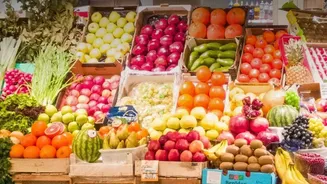
The battle against food waste begins at the grocery store. While family packs offer value, they are a trap for the solo cook. Instead, embrace buying loose fruits and vegetables, which allows you to purchase the exact quantity you need. This might feel
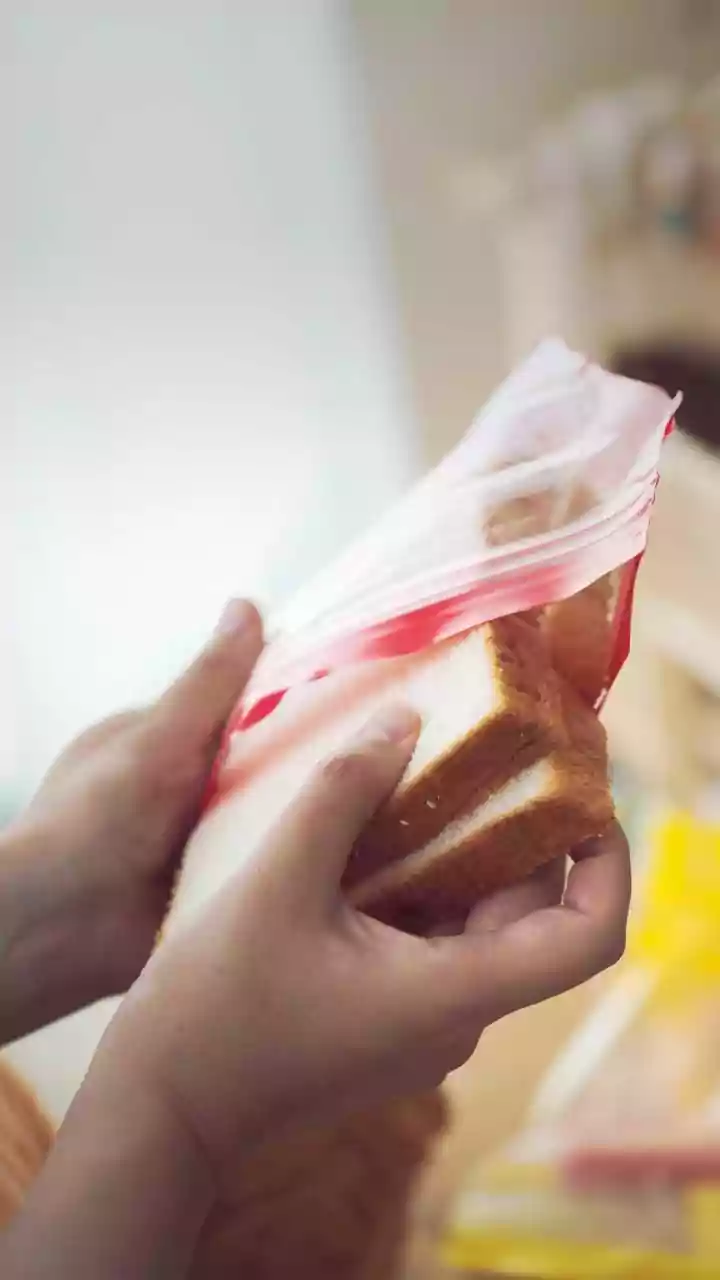
slightly more expensive per unit, but it saves money by preventing spoilage. Be strategic about your trips; smaller, more frequent shopping runs can ensure you always have fresh ingredients without over-buying. When you do see a deal on items like chicken or bread, buy it, but have a plan to portion and freeze it immediately. Your future self will thank you for these single-serving packets ready to go.
Your Freezer Is Your Best Friend
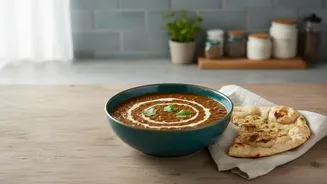
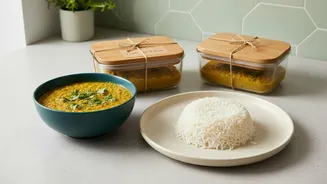
The freezer is the single most powerful tool for a solo cook. It’s not just for frozen vegetables and ice cream; it’s a time capsule for future meals. Get into the habit of freezing things in single-portion sizes. Cook a large pot of dal or a foundational curry base, let it cool, and then freeze it in individual containers. The same goes for cooked rice, portions of meat, and even bread. An ice cube tray is perfect for freezing leftover sauces, ginger-garlic paste, or coconut milk. Just pop out a cube or two when you need it. This method ensures you have the building blocks for a quick, home-cooked meal without having to start from scratch every night.
Cook Components, Not Just Meals
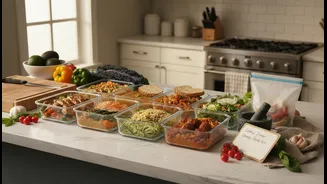
Shift your mindset from preparing one complete meal to preparing versatile components. This approach, known as “ingredient prep,” gives you flexibility throughout the week. For example, on Sunday, you could roast a tray of mixed vegetables, cook a batch of quinoa or chickpeas, and make a simple dressing. During the week, you can assemble these components in different ways: a grain bowl for lunch on Monday, added to a soup on Tuesday, or as a side for a quick pan-fried fish on Wednesday. This method provides variety and prevents the dreaded feeling of eating the exact same meal three days in a row.
Master the 'Cook Once, Eat Twice' Strategy
This is a more intelligent version of leftovers. It’s about planning for a second, distinct meal. For instance, if you make roasted chicken and vegetables for dinner, set aside some of the chicken before you eat. The next day, you can shred that reserved chicken and turn it into chicken salad sandwiches, tacos, or a topping for a fresh salad. A mince-based dish like keema can be eaten with roti one night and then used as a filling for a puff pastry or a samosa the next. The key is to transform the core ingredient into something new, keeping your palate interested.
Build a Powerhouse Pantry
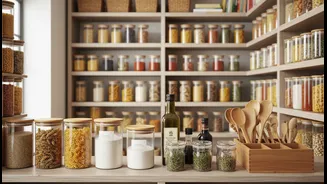
A well-stocked pantry is crucial for making spontaneous, flavourful meals for one. Focus on shelf-stable items that pack a lot of punch. For an Indian kitchen, this means having a good array of spices, various lentils and dals, rice, gram flour (besan), and versatile pastes like ginger-garlic. Canned tomatoes, coconut milk, and different types of oils and vinegars are also essential building blocks. Having these staples on hand means you only need to pick up a few fresh ingredients to create a complete and satisfying meal, reducing the pressure to follow a rigid recipe.