

The Comfort of a Simple Soup
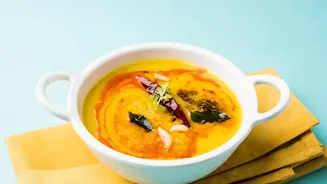
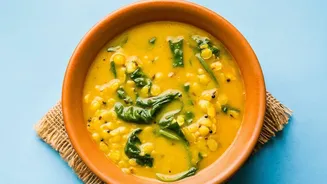
There is a special kind of magic in a soup that tastes like home. It’s the kind of meal that soothes and restores, perfect for a rainy day, a mild cold, or whenever you crave something light yet satisfying. This drumstick and dal soup is exactly that.
It brings together familiar kitchen ingredients to create something truly wholesome. The beauty of this dish lies in its simplicity. It doesn't require exotic ingredients or complex cooking techniques. Instead, it relies on the natural flavours of its core components, enhanced by a gentle blend of spices, to deliver a comforting experience in every spoonful. It is a celebration of traditional Indian home cooking, where nutrition and taste go hand in hand.
The Power of the Drumstick
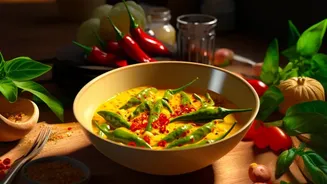
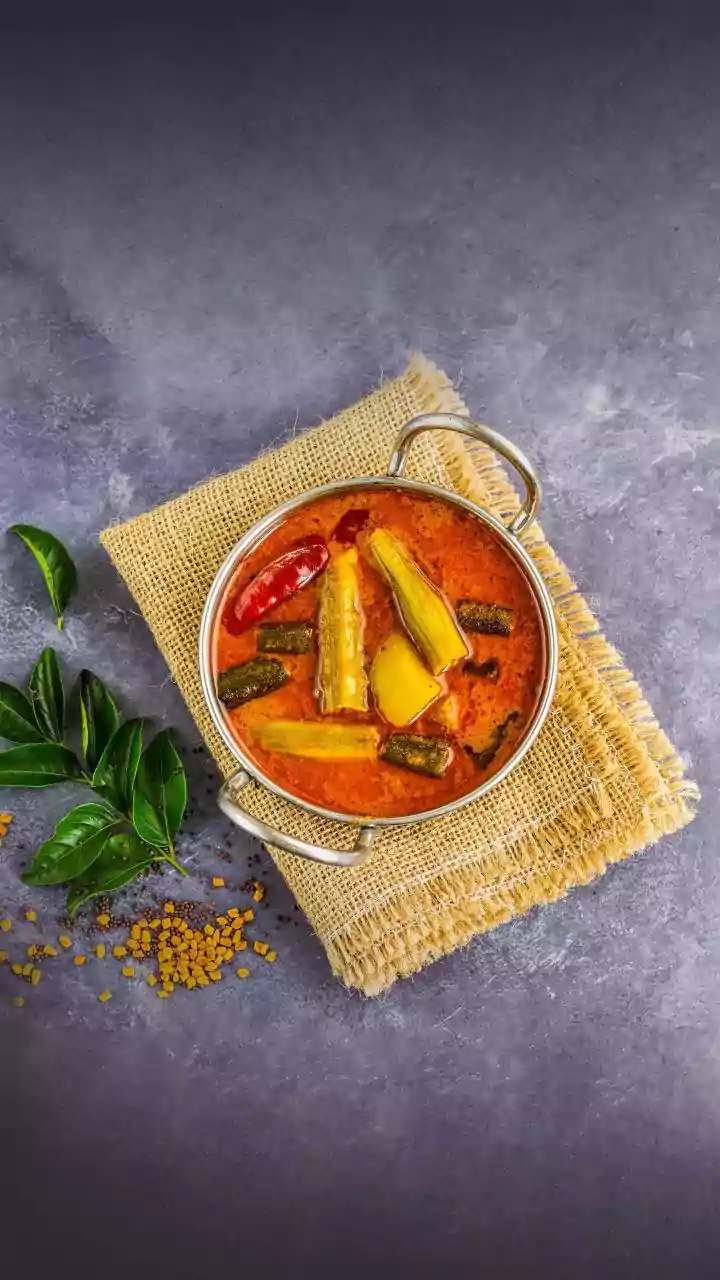
The star of this soup is the drumstick, also known as moringa or 'sainjan ki phalli'. Often added to sambar and curries, the drumstick is a nutritional powerhouse. It imparts a unique, subtly sweet flavour to the broth that is hard to replicate. But its benefits go far beyond taste. Drumsticks are packed with essential vitamins and minerals, including Vitamin C, calcium, and iron. They are known for their anti-inflammatory properties and ability to boost immunity. The pods are also rich in antioxidants, which help protect the body's cells. When cooked, the tender flesh inside the fibrous exterior becomes soft, and scraping this pulp into the soup adds both texture and a concentrated dose of nutrients.
Dal: The Hearty Foundation
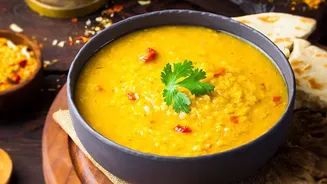
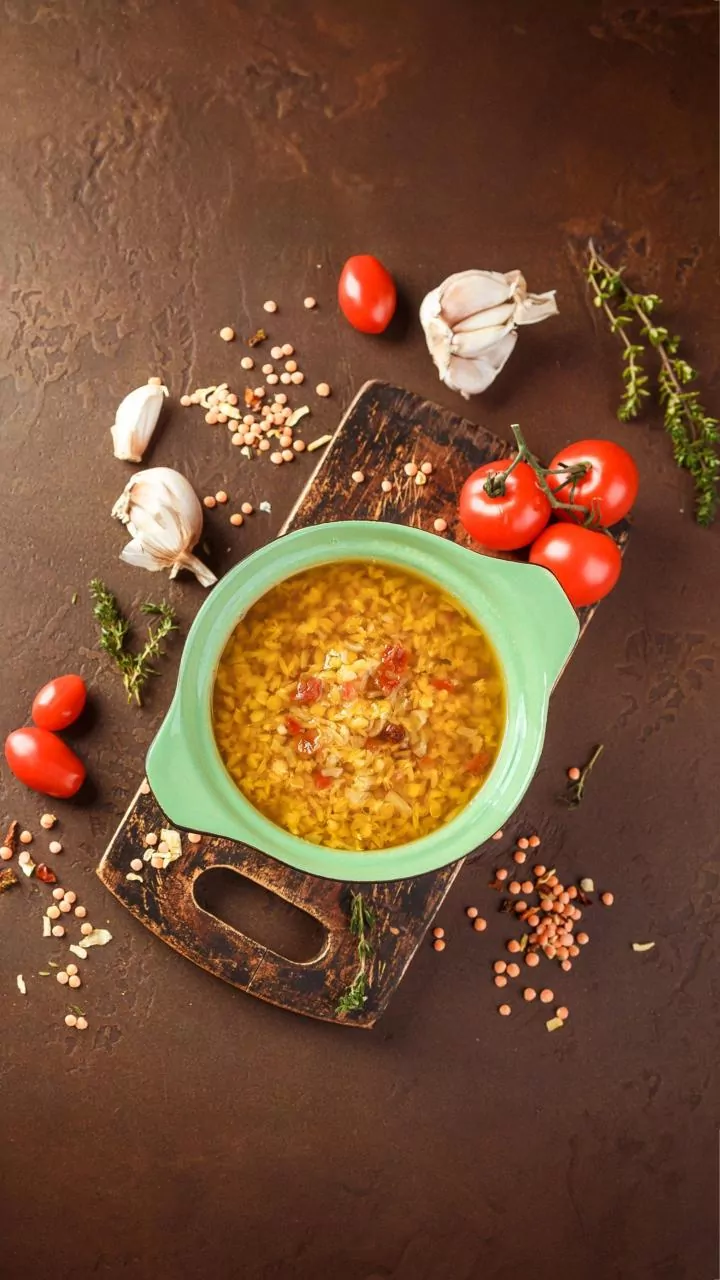
Providing the creamy base and hearty texture for this soup is dal. Lentils are a cornerstone of Indian cuisine for good reason. They are an excellent source of plant-based protein and dietary fibre, making this soup incredibly filling and beneficial for digestion. Different types of dal can be used, with each lending a slightly different character to the final dish. Moong dal (yellow lentils) is a popular choice as it cooks quickly, blends easily, and provides a smooth, creamy consistency. Toor dal (pigeon peas) or masoor dal (red lentils) also work beautifully, offering their own distinct flavours and textures. Regardless of the type you choose, the dal transforms the soup from a simple broth into a substantial, nourishing meal.
A Simple Guide to Making the Soup
Creating this soup at home is a straightforward process, typically done in a pressure cooker to save time. Start by washing a handful of dal (about half a cup). In the cooker, combine 3-4 drumsticks cut into finger-length pieces, the dal, a chopped tomato, a small onion, a few cloves of garlic, and a piece of ginger. Add spices like turmeric powder, black peppercorns, and cumin seeds. Pour in enough water to cover all the ingredients and pressure cook for about 3-4 whistles, or until the dal is completely soft and the drumsticks are tender. Once the pressure releases, you can separate the drumstick pieces. Carefully scrape the soft pulp from the drumstick skin and add it back to the cooked dal mixture. Using a hand blender, you can lightly blend the soup to your desired consistency. Some prefer a smooth, strained soup, while others enjoy a more rustic, unblended texture. Finally, prepare a simple tadka by heating a little ghee or oil and tempering it with mustard seeds, cumin seeds, and a pinch of asafoetida (hing), and pour it over the soup.
Variations and Serving Suggestions
This home-style soup is wonderfully versatile. For extra flavour, you can add a sprig of curry leaves or a few whole spices like cinnamon and cloves during the cooking process. A handful of fresh coriander or mint leaves, added at the end, can provide a burst of freshness. For a slightly tangy flavour, a squeeze of lemon juice just before serving works wonders. You can also add other vegetables like carrots or green beans along with the drumsticks for added nutrition and texture. This soup is delicious on its own as a light lunch or appetiser. It can also be served with steamed rice for a more complete and comforting meal, letting the rice soak up the flavourful broth.