




Bengaluru: The Hub for Space Solutions
The second edition of the International Conference on Spacecraft Mission Operations, or SMOPS-2026, has brought the global space community to Bengaluru from April 8-10. Jointly organised by the Indian Space Research Organisation (ISRO), the Astronautical
Society of India (ASI), and the International Academy of Astronautics (IAA), the event serves as a critical forum for charting the future of space exploration. Themed “Innovative Operations for Smart and Sustainable Space Mission Management,” the conference gathers space agencies, scientists, and industry leaders to address the growing complexities of operating in an increasingly congested space environment. With India's own space ambitions expanding, hosting this discussion positions Bengaluru and ISRO at the forefront of finding global solutions.
The Challenge of a Crowded Sky
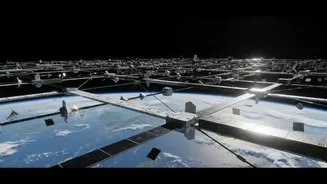
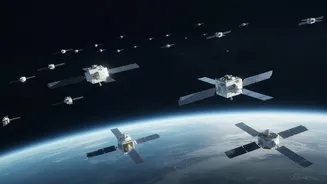
For decades, we have been launching satellites, rockets, and probes, but not everything comes back down. This has created a significant problem: space debris. Millions of pieces of non-functional, human-made objects are now orbiting Earth at incredible speeds, posing a severe threat to active satellites and future missions. Even a small fragment can cause catastrophic damage. The situation is exacerbated by the rise of large satellite constellations for internet and communication services, which adds to the orbital traffic. Experts warn of a potential "Kessler Syndrome," a scenario where collisions create more debris, leading to a cascading chain reaction that could render certain orbits unusable for generations. Managing this orbital traffic is no longer a future problem; it's a daily operational challenge.
ISRO's Push for a Cleaner Cosmos
At SMOPS-2026, a central theme is developing sustainable practices to protect the space environment. ISRO has been vocal about its commitment to this cause, announcing a 'Debris-Free Space Missions' (DFSM) initiative that aims for all Indian space actors to achieve zero debris creation by 2030. This involves meticulous mission planning, such as designing satellites and rocket stages that can safely de-orbit or be moved to a less populated "graveyard orbit" at the end of their life. ISRO is also developing advanced capabilities through its IS4OM facility to monitor space objects, predict collision risks, and perform avoidance maneuvers. In 2025 alone, ISRO performed 17 such collision avoidance maneuvers to protect its satellites, underscoring the urgency of the issue.
Technology and Teamwork as the Way Forward
Solving the space debris problem requires a multi-pronged approach that combines technology and international cooperation. Discussions at SMOPS-2026 are exploring innovations in automation, AI, and robotics to manage complex missions and avoid collisions. There is also a focus on active debris removal (ADR) technologies, with research into concepts like robotic arms and nets to capture and remove existing junk from orbit. However, no single agency or country can solve this alone. The conference emphasizes the need for robust international collaboration, data sharing, and agreed-upon regulations to manage space traffic effectively. By bringing together experts from NASA, ESA, JAXA, and other agencies, SMOPS-2026 aims to foster the partnerships needed to ensure space remains secure and accessible.
Why Sustainable Space Matters to You
The discussions in Bengaluru are not just academic. Our modern lives are deeply intertwined with space technology. From the GPS that guides our commute and the satellites that enable our digital payments to the systems providing weather forecasts and ensuring national security, our reliance on a functional orbital environment is immense. An increasingly hazardous space would threaten these essential services. By leading the conversation on sustainability, India is not only safeguarding its own significant investments in space, including ambitious projects like Gaganyaan and Aditya-L1, but also working to protect the global infrastructure that benefits all of humanity. The goal is to ensure that space remains a resource for exploration, innovation, and daily life for generations to come.