



What is Stone Balancing?
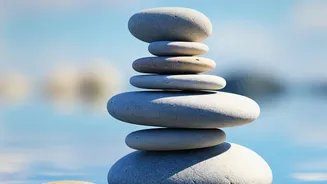
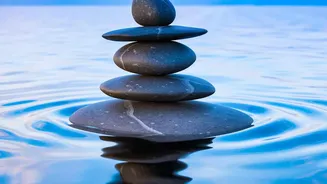
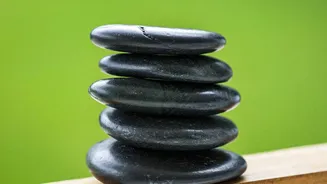
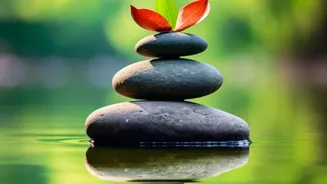
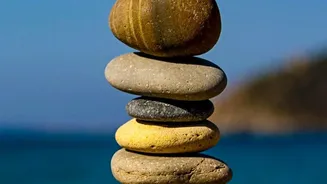
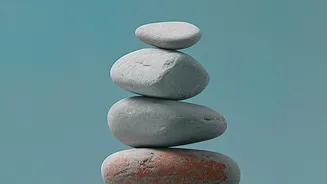
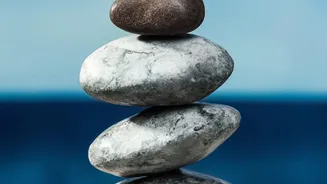
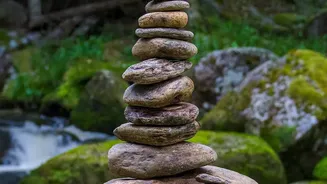
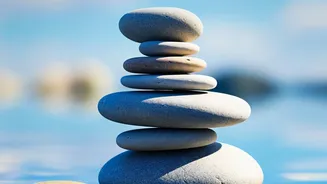
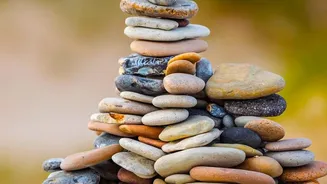
At its core, stone balancing is the art of stacking rocks on top of each other to create seemingly impossible sculptures without using any glue, wires, or supports. It is a delicate dance with gravity. Unlike simply piling stones, true balancing involves
finding the perfect, often tiny, points of contact where the rocks lock into equilibrium. Practitioners spend time feeling the surfaces and weight of each stone, searching for the natural indentations and pivots that allow for a stable connection. It is an activity that combines elements of art, physics, and deep, personal presence.
An Exercise in Focused Attention
The primary benefit, as the headline suggests, is a profound enhancement of focus. To find the precise balance point of a rock, your mind must become exceptionally quiet. The constant stream of internal chatter and external distractions fades away as your attention is channelled into a single, tangible task: feeling the subtle shifts in weight and position. This intense concentration is often described as entering a 'flow state', a meditative zone where you are fully immersed in the present moment. This practice trains your brain to filter out noise, a skill that translates directly into improved concentration in your daily work and studies.
Improving Physical Poise and Coordination
Stone balancing is as much a physical discipline as it is a mental one. The act of placing a heavy, irregular stone onto a precarious point requires immense control and hand-eye coordination. It demands a steady hand, a stable posture, and a heightened awareness of your own body in space. You learn to make minute adjustments, guided by the feedback you feel through your fingertips. This process sharpens fine motor skills and dexterity. Over time, this practice builds a physical stillness and poise that can benefit other activities, from sports to simply moving with greater intention in everyday life.
A Lesson in Patience and Impermanence
A balanced stone sculpture is, by its very nature, temporary. A gust of wind or a slight vibration can bring it tumbling down in an instant. This teaches a powerful lesson in patience and letting go of attachment. The process is not about creating a permanent monument, but about the experience of creation itself. When a stack falls, practitioners learn to laugh, accept the failure, and begin again. This resilience—the ability to persevere and restart without frustration—is a core tenet of mindfulness and a valuable skill for navigating life's inevitable setbacks.
How You Can Get Started
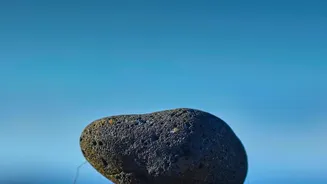
The beauty of stone balancing lies in its accessibility. All you need are some stones and a place to practice. Start small, perhaps by a riverbed, on a beach, or even in a garden. Don't try to build a towering structure right away. Begin by trying to balance a single rock on its end on a larger, stable base rock. Feel its weight and the direction it wants to fall. Gently move it around, searching for small depressions or points where it feels more stable. The key is to be relaxed and patient. As you practice, you will develop an intuitive feel for the physics involved, and soon you will find yourself creating balances that once seemed impossible.