







The Fingerprints of a Warming Climate
A rapid attribution study by the World Weather Attribution research group concluded that climate change was a likely contributing factor to the catastrophic event. Scientists found that long-term warming in the Himalayas preconditioned the disaster. The
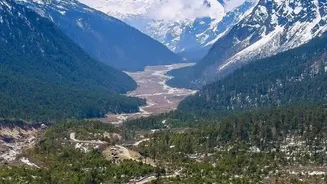
specific event on August 26 was triggered by a colossal collapse of rock and glacier ice from Langtang Lirung mountain, which borders Tibet. This collapse unleashed 110 million cubic metres of rock and ice, creating a torrent that travelled at over 170 kilometres per hour. Researchers state that while such a large rock avalanche is rare, the fingerprints of climate change are clear in the long-term changes that made the mountain slope unstable.
How a Mountain Becomes Unstable
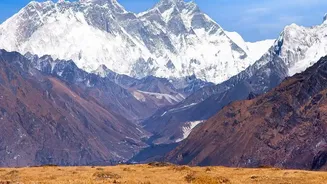
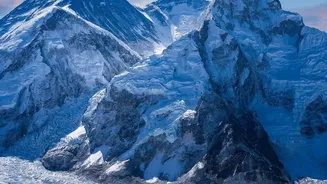
The science points to a cascade of effects fueled by rising temperatures. The Himalayan region is warming at about twice the global average. This intense warming has several dangerous consequences. Firstly, it thins glaciers, reducing the immense weight that can buttress and support steep rock walls. Secondly, it thaws permafrost—the permanently frozen ground that acts like cement, binding fractured rock together. The study noted that the freezing line in the Himalayas has been moving upward by about 100 metres per decade, exposing more rock to thawing. The months leading up to the collapse saw record-breaking local temperatures, further melting ice and lubricating deep fractures in the rock, making a collapse more likely.
More Than a Freak Accident
While researchers acknowledge that other factors, like a major 2015 earthquake, may have weakened the bedrock over time, the role of climate change in exacerbating the risk is undeniable. The disaster was not a typical weather event like extreme rainfall, but a geophysical one made more probable by a warming atmosphere. These events, sometimes called Glacial Lake Outburst Floods (GLOFs), are becoming more frequent across the Hindu Kush Himalaya region. As glaciers retreat, they often leave behind large lakes dammed by unstable debris. A landslide or icefall into one of these lakes can trigger a catastrophic flood, and millions of people in the region live in the path of such potential disasters.
The Human Cost and a Call for Justice
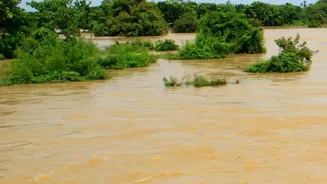
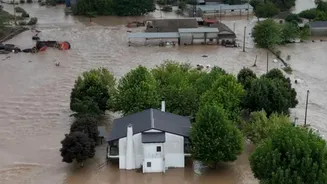
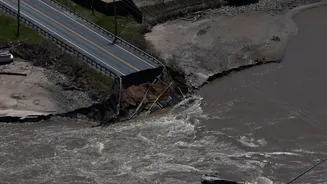
The August floods killed over 1,300 people and left more than 6,000 missing, wiping out entire communities, roads, and critical infrastructure like hydropower plants. The economic toll is estimated to be around $5 billion. For Nepal, a country that contributes a tiny fraction of global greenhouse gas emissions, the disaster is a stark example of climate injustice. The government is now using the new attribution study as key evidence in a request for $20 million from the UN's Loss and Damage Fund, which was established to help developing nations cope with the unavoidable impacts of climate change. It underscores a painful reality: the nations least responsible for the climate crisis are often paying the highest price.