


An Inventive Fusion: What Is Sabudana Rasmalai?
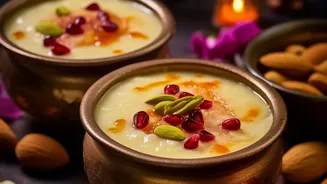
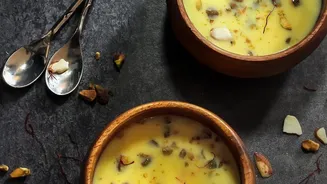
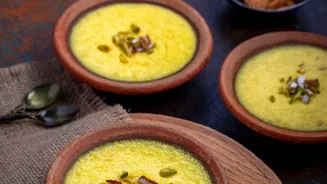
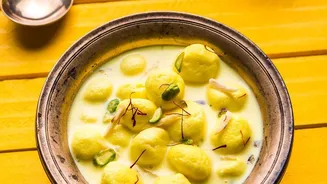
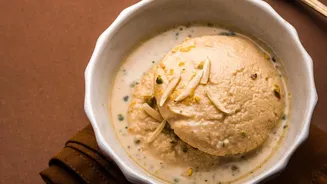
Sabudana Rasmalai is a creative reinterpretation of the classic Bengali sweet. Traditionally, Rasmalai consists of soft, spongy discs made from fresh cheese called chenna, which are soaked in a fragrant, thickened milk known as rabri. In this modern twist,
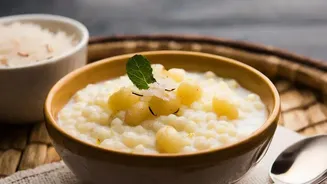
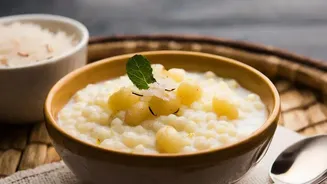
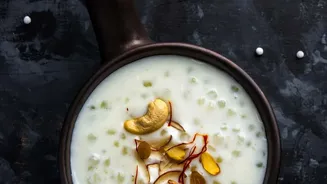
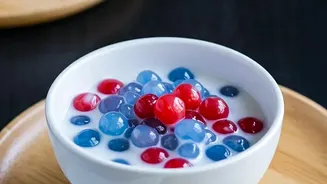
the chenna patties are replaced with patties made from sabudana, or tapioca pearls. These pearls are soaked, cooked, and often blended with milk powder or sugar before being shaped into discs. The result is a dessert that keeps the soul of Rasmalai—the sweet, cardamom- and saffron-infused milk—but introduces a completely different textural experience with the chewy, gelatinous sabudana.
The Classic vs. The Twist: Texture and Preparation
The core difference between traditional and Sabudana Rasmalai lies in the main component. Classic Rasmalai gets its signature soft, porous texture from chenna, an Indian cheese made by curdling milk. This chenna is kneaded until smooth, shaped, and then boiled in sugar syrup to make it spongy enough to absorb the rich rabri. Sabudana, on the other hand, is pure starch derived from the cassava root. When soaked and cooked, it becomes translucent and develops a distinctly chewy, almost gummy consistency. This means Sabudana Rasmalai doesn't offer the melt-in-your-mouth sponginess of its predecessor. Instead, it provides a pleasant, bouncy chew that contrasts with the creamy milk, similar to the pearls in bubble tea.
A Nutritional Deep Dive: What the Evidence Shows
When we look at the nutritional evidence, the swap from chenna to sabudana creates two very different profiles. Chenna, being made from milk, is a good source of protein. Sabudana is almost pure carbohydrate and starch, with very little protein or fat. A 100-gram serving of dry sabudana contains around 358 calories and over 88 grams of carbohydrates, but less than a gram of protein. This makes it a quick source of energy, which is why it's a popular food during religious fasts (vrat) in India. However, it is considered a source of 'empty' calories because it provides energy with few essential nutrients. While it is naturally gluten-free, it's not necessarily a 'healthier' option than protein-rich chenna, just a different one suited for different dietary needs, like fasting or gluten-free diets.
Is It a Worthwhile Swap? The Verdict on Taste
Whether Sabudana Rasmalai is a successful fusion comes down to personal preference. Food bloggers and home cooks who have tried it are divided. Many enjoy the novel texture, finding the chewiness of the sabudana pearls a fun and interesting counterpoint to the sweet, creamy rabri. It offers a new way to enjoy familiar flavours. However, some traditionalists find the texture jarring. A common criticism is that the sabudana patties can become hard if not cooked perfectly and that they lack the ability to absorb the milky rabri in the same way chenna does. Some feel the distinct taste of sabudana can overpower the delicate flavours of the saffron and cardamom milk, leading them to prefer the original.
A Fasting-Friendly Treat
One of the biggest advantages and likely reasons for the creation of Sabudana Rasmalai is its suitability for religious fasting. During periods like Navratri or Ekadashi, grains are typically avoided, and sabudana is a widely accepted alternative. It provides sustained energy due to its high carbohydrate content. Traditional Rasmalai, while delicious, is not always considered a fasting food. This fusion dessert allows those observing a vrat to enjoy a rich, celebratory sweet without breaking their fast. This practical application is where the 'evidence' most strongly supports this culinary twist, positioning it as a thoughtful and clever innovation for festive occasions.