




An Introduction to the Contenders
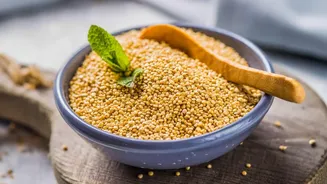
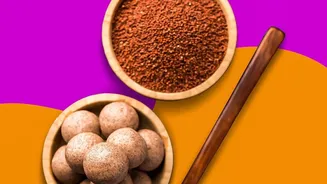
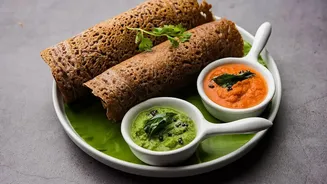
Ragi, also known as finger millet, is a humble yet powerful grain that has been a staple in Indian households, particularly in the south, for centuries. It's known for its resilience as a crop and its deep nutritional value. On the other side, we have
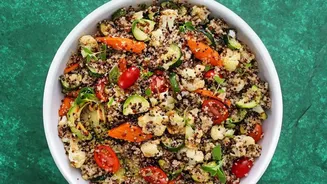
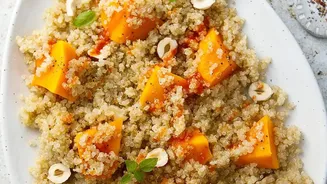
quinoa, a seed originally from South America that has gained worldwide fame over the last decade. Often mistaken for a grain, it's celebrated for its versatility and impressive nutrient profile, earning it 'superfood' status in many circles. Both are gluten-free and lauded for their health benefits, but a closer look reveals they serve different nutritional purposes.
The Protein Breakdown
When it comes to protein, quinoa generally takes the lead. Uncooked quinoa contains about 13-14 grams of protein per 100 grams, significantly more than ragi, which offers around 7-8 grams. More importantly, quinoa is considered a 'complete protein'. This means it provides all nine essential amino acids that our bodies cannot produce on their own, making it a fantastic source for vegetarians and vegans. Ragi, while still a good source of protein, is not 'complete'. However, this isn't a major drawback in a typical Indian diet, where grains like ragi are often paired with dals (lentils) or curd, which together create a complete amino acid profile.
The Mineral Match-Up: Calcium vs. Iron
This is where the comparison gets interesting and ragi truly shines. Ragi is a calcium powerhouse. Per 100 grams, ragi contains approximately 344-364 mg of calcium, which is vastly more than quinoa's 47-198 mg, depending on the data source. This makes ragi an exceptional food for bone health, especially for children, women, and older adults. On the flip side, quinoa typically boasts a higher iron content. Some analyses show quinoa with around 4.6-7.5 mg of iron per 100g, compared to ragi's 3.9-4.6 mg. While both are good sources, quinoa often has a slight edge in this mineral, which is vital for preventing anemia. When it comes to other minerals like magnesium, ragi often has a slight advantage.
Fibre, Cost, and Glycemic Index
Beyond protein and minerals, other factors are worth considering. Both grains are excellent sources of dietary fibre, which is crucial for digestive health and feeling full. Some data suggests ragi has a slightly higher fibre content. Both grains also have a low glycemic index (GI), meaning they release sugar into the bloodstream slowly, making them suitable for people managing blood sugar levels. A significant practical difference is cost and accessibility. As a locally grown Indian millet, ragi is far more affordable and widely available across the country than imported quinoa. This makes ragi a more sustainable and budget-friendly option for daily consumption in an Indian household.
So, Which Grain is Right for You?
There is no single winner; the best choice depends entirely on your personal health goals. If your primary goal is to maximise protein intake from a single plant-based source, quinoa is an excellent choice due to its complete amino acid profile. It’s also great if you need to boost your iron levels. However, if you are focused on bone health and increasing your calcium intake naturally, ragi is the undisputed champion. Given the prevalence of calcium and iron deficiencies in India, ragi often addresses more pressing local nutritional needs. Its affordability and cultural familiarity also make it an easy and practical addition to daily meals.