




The Soul of the Feast: Prasad and Bhog
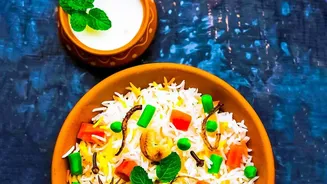
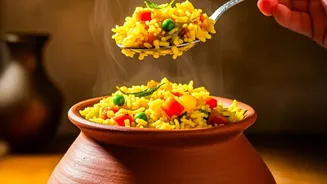
The culinary journey of Durga Puja begins with a devotional heart. Bhog, the consecrated food offered to the goddess, is a central tradition. This is not a meal for one but a communal feast, typically vegetarian and prepared without onion or garlic. The star
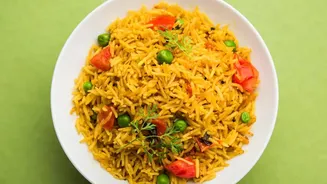
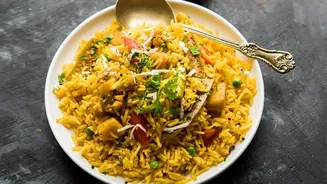
of the bhog is almost always a fragrant khichuri, a comforting blend of rice and lentils, served alongside labra, a mixed vegetable delicacy, and crisp begun bhaja (fried brinjal). Shared in pandal premises, this meal transcends social barriers, nourishing thousands and fostering a sense of unity. It is the spiritual anchor of the entire Pujo experience, a taste of tradition passed down through generations.
Pandal Hopping, Snack in Hand
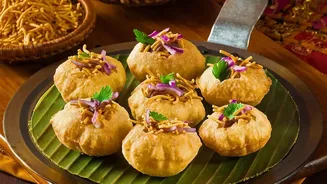
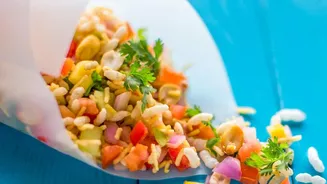
As evening descends and pandal hopping begins, the culinary focus shifts from the sacred to the street. The roads around the pandals turn into a massive, open-air food court where Kolkata's legendary street food takes centre stage. No Pujo experience is complete without stopping for phuchka, the city’s beloved version of pani puri, where each tangy, spicy bite is a burst of flavour. Equally essential are the city's famous kathi rolls—flaky parathas wrapped around succulent chicken or egg fillings—the perfect on-the-go fuel for a long night of festivities. You will also find stalls dishing out everything from ghugni (a spiced pea curry) to various deep-fried chops and cutlets, ensuring that no one goes hungry between pandal visits.
A Sweeter Surrender: Sandesh and Mishti
No Bengali celebration is whole without an abundance of sweets, and Durga Puja is the grandest stage for the state's confectionary artists. Sweet shops are filled with classics like soft sandesh, spongy rosogolla, and the rich, creamy mishti doi (sweet yogurt). These sweets are not just desserts; they are integral to the social fabric of the festival. Boxes of mishti are exchanged between friends and family during Bijoya Dashami, the final day of the festival, as a gesture of goodwill and festive greetings. This sweet exchange symbolises the end of the celebrations and the hope of the goddess's return next year.
The New Pujo Plate: Biryani and Beyond
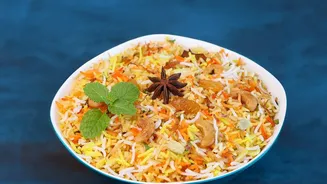
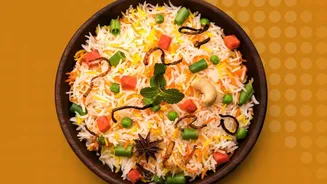
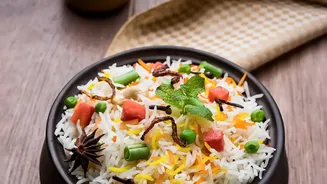
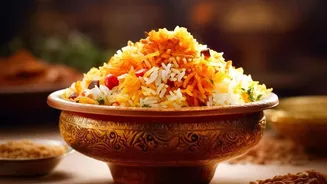
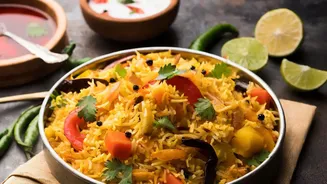
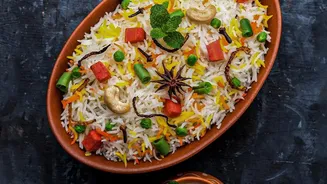
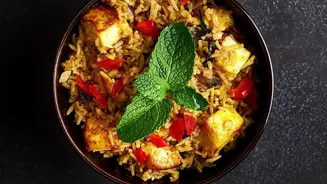
Here lies the core of modern Pujo's food story. The festival's culinary landscape has expanded far beyond traditional Bengali fare. Today, a plate of Kolkata-style biryani, with its signature potato and subtle aromas, is as much a Pujo staple as khichuri. Restaurants, both old and new, roll out special Pujo menus that feature Mughlai dishes like mutton kosha, kebabs, and even Indo-Chinese favourites. This shift reflects the festival's evolution from a primarily religious observance into a secular, public carnival. The fact that biryani and chowmein stalls thrive alongside traditional bhog counters proves that the celebration now belongs to everyone, catering to every palate.
More Than Just a Meal
The food of Durga Puja is a map of Kolkata's soul—a blend of devotion, community, nostalgia, and modernity. It tells a story of how a religious festival has embraced a broader cultural identity, where the sacred and the secular happily coexist on the same plate. The trail from the pandal's bhog to a late-night biryani joint isn't just about satisfying hunger; it’s a journey through the city's history and its ever-evolving traditions. It stands as proof that the joy of food, in all its diverse forms, is a celebration in itself, one that needs no other endorsement.