






The Hidden Pollutant in Your Kitchen
Gas stoves are a significant source of indoor air pollution. When you cook with gas, the combustion process releases several pollutants, most notably nitrogen dioxide (NO2). This gas, a well-known component of outdoor smog from vehicle exhaust, can build
up to surprisingly high levels inside your home. Unlike other gas appliances like water heaters, which are typically vented outside, stovetops release these fumes directly into your living space. While a good range hood can help, it often doesn't capture all emissions, and sometimes it just recirculates the polluted air back into the kitchen. Studies have shown that homes with gas stoves can have nitrogen dioxide levels that are significantly higher—sometimes up to four times more—than the outdoor air quality guidelines set by health organizations.
The Link Between Gas Cooking and Asthma
For people with asthma, a chronic condition that inflames and narrows the airways, exposure to irritants can trigger symptoms like wheezing, coughing, and difficulty breathing. Nitrogen dioxide is a known pulmonary irritant that can harm the lungs and aggravate respiratory diseases. Decades of research have pointed to an association between gas stove use and adverse respiratory effects. In fact, some studies suggest that children living in homes with gas stoves have a substantially higher risk of developing asthma. The pollutants can make lungs more sensitive to other allergens and increase the frequency and severity of asthma attacks.
A Breath of Fresh Air: The Electric Alternative
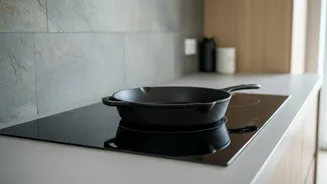
This is where electric stoves enter the conversation. A compelling new study published in early July 2026 has provided the first direct evidence that replacing a gas stove with an electric one can lead to significant health benefits for asthma sufferers. The study, conducted by researchers at the MetroHealth System and Case Western Reserve University, provided electric induction stoves to participants with poorly controlled asthma. The results were dramatic. After the switch, the average level of nitrogen dioxide inside the homes dropped by about 70%. Participants reported substantial improvements, with their asthma symptoms often easing from moderate to mild. The benefits were so significant they were compared to the effects seen in clinical trials for common asthma medications.
A Piece of the Puzzle, Not a Magic Cure
While the findings are encouraging, it is crucial to maintain perspective. As the researchers themselves caution, switching to an electric stove is not a cure for asthma. Asthma is a complex condition influenced by genetics, outdoor pollution, and other indoor allergens like dust mites and pet dander. An electric stove removes one significant indoor trigger—nitrogen dioxide from combustion—but it does not address these other factors. Furthermore, it's important to note that all cooking, including on electric stoves, can produce fine particulate matter (PM2.5) from the food itself, especially during high-heat frying. These particles can also be a lung irritant. Therefore, good ventilation remains important regardless of the type of stove you use.
Making an Informed Choice for Your Home
The decision to switch from gas to electric cooking is a personal one that involves cost and cooking preferences. The initial expense of a new appliance and potential wiring upgrades can be a barrier for many families. However, the recent research adds a powerful new consideration to the mix: health. For households with members suffering from asthma or other respiratory conditions, reducing indoor NO2 levels can be a meaningful step toward better health management. The study found that after switching, participants had about 80% fewer missed days of school or work and 70% fewer emergency room visits related to asthma. This suggests that investing in cleaner cooking technology could be a worthwhile part of a comprehensive asthma action plan, created in partnership with a healthcare provider.