The Heartbeat of Puja: Pandal Hopping
The core of the celebration is 'pandal hopping'. Pandals are magnificent, temporary structures built to house the idol of Goddess Durga. These are not just simple tents; they are elaborate works of art, often based on complex themes ranging from historical
monuments to social issues. The city is broadly divided into North and South Kolkata pandals. North Kolkata is home to the traditional 'Bonedi Bari' pujas (celebrations in ancestral homes) and iconic community pandals like Bagbazar Sarbojanin, which are cherished for their classic style. South Kolkata is known for its grand, innovative, and often competitive theme-based pandals, with famous names like Ekdalia Evergreen and Suruchi Sangha drawing massive crowds. The key is not to see everything, but to immerse yourself in the art and atmosphere of a chosen few.
The Soul of the Festival: Art and Artisans
Weeks before the festival, the lanes of Kumartuli in North Kolkata buzz with activity. This is the potters' quarter, where generations of artisans craft the idols of Goddess Durga from straw and clay from the river Hooghly. A visit here before the Puja offers a fascinating glimpse into the immense skill and devotion that goes into creating these divine sculptures. The ritualistic painting of the Goddess's eyes, known as 'Chokkhu Daan', is a pivotal moment that is believed to breathe life into the idol. This craftsmanship is so revered that UNESCO recognized Kolkata's Durga Puja as an Intangible Cultural Heritage of Humanity.
A Feast for the Senses: The Food Trail
Durga Puja is as much a culinary festival as it is a cultural one. The streets are lined with food stalls serving an incredible array of delights. Don't miss out on Kolkata's signature Kathi Rolls, the tangy and spicy Phuchka, and the delicious Fish Fry or Kobiraji cutlets. For a more substantial meal, seek out the iconic Kolkata-style Biryani, which features a signature potato. Many community pandals serve 'bhog' – a blessed food offering, usually a delicious khichuri served with mixed vegetables (labra) and chutney, which is a quintessential Puja experience. And no Bengali festival is complete without sweets; make sure to try Mishti Doi (sweet yogurt) and an assortment of sandesh.
Navigating the Festive Crowds: Practical Tips
Navigating Kolkata during Puja requires planning. The best way to travel is by the Kolkata Metro, which runs extended services during the festival and is the fastest way to move between North and South. Many roads are closed to traffic, especially in the evenings, so be prepared to walk extensively. Wear comfortable shoes. The peak crowds are between 7 PM and midnight; for a quieter experience, try pandal hopping in the early morning (8-11 AM) or very late at night (after 1 AM). Carry cash for small vendors, a power bank for your phone, and a copy of your hotel details. Most importantly, embrace the chaos – it’s all part of the unique experience.
The Grand Finale: Immersion and Farewell
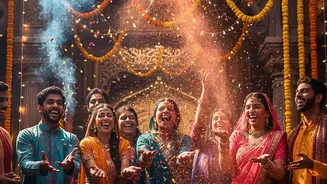
The festival culminates on Vijaya Dashami, the fifth and final day. Married women participate in 'Sindoor Khela', smearing vermilion powder on each other and the Goddess, a ritual bidding her farewell. Afterwards, grand processions carry the idols to the river ghats, most notably Babughat and Kumartuli Ghat, for immersion. This 'visarjan' ceremony is both a spectacular and emotional sight, as devotees bid adieu to the Goddess with chants of 'Asche bochor abar hobe' (Until next year again), bringing the vibrant festivities to a close.