

The Promise of a Greener Ocean
The concept behind ocean iron fertilization sounds almost magically simple. In vast stretches of the ocean, especially the Southern Ocean, the water is rich in nutrients but lacks one key ingredient for life: iron. This limits the growth of phytoplankton,
the microscopic marine plants that form the base of the ocean food web. Just like plants on land, phytoplankton absorb carbon dioxide through photosynthesis. The theory is that by adding small amounts of iron to these 'deserts' of the sea, we could trigger enormous plankton blooms. As these organisms live, grow, and eventually die, they sink, taking the carbon they absorbed with them to the deep ocean, where it could be stored for centuries. This process, known as the 'biological carbon pump', is a natural phenomenon that scientists hope to accelerate.
A Ripple Effect Across the Globe
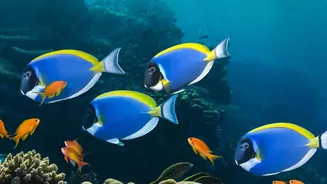
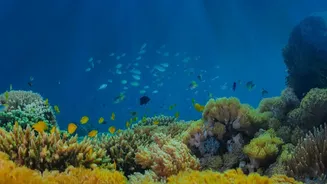
However, a recent study using advanced computer models has cast a significant shadow over this promising idea. The research, published in the journal Global Change Biology, simulated the effects of large-scale iron fertilization in the Southern Ocean over several decades. While the models confirmed that the process could indeed sink a substantial amount of carbon, they also revealed a dangerous and far-reaching side effect. By supercharging phytoplankton growth in one region, the process effectively 'robs' other areas of essential nutrients that would have naturally flowed downstream. The study showed that this could lead to a significant decline in marine life in tropical waters, thousands of miles away.
The Hidden Costs of Intervention
The trade-offs don't end there. The new research highlights a cascade of potential negative outcomes that have long worried scientists. When the massive, artificially created plankton blooms die and decompose, the process consumes vast amounts of oxygen in the water. This could create or expand 'oxygen minimum zones' — essentially dead zones where most marine life cannot survive. Furthermore, some of the carbon captured doesn't stay locked away. Bacterial processes can release other potent greenhouse gases like nitrous oxide and methane, potentially offsetting some of the climate benefits. These unintended consequences underscore the immense complexity of tampering with ocean ecosystems, which are already under stress from warming and acidification.
A Thorny Path Forward
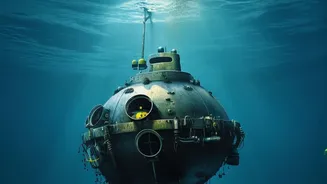
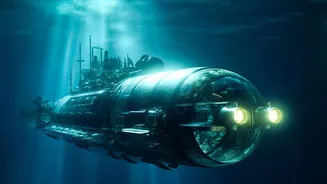
This leaves policymakers and scientists in a difficult position. The urgent need for methods to remove carbon dioxide from the atmosphere is undeniable. Proponents of ocean fertilization argue that its risks, while real, must be weighed against the catastrophic risk of unchecked climate change. They call for more, carefully controlled real-world experiments to move beyond computer models, which themselves have a wide range of uncertainty. Using new technologies like autonomous underwater vehicles, researchers believe they can design safer, longer-term studies to get definitive answers. However, opponents point to the global-scale risks, arguing that geoengineering is a dangerous distraction from the primary solution: cutting fossil fuel emissions. The governance of such experiments is another major hurdle, with international laws like the London Convention struggling to keep pace with the technology.