






The Rise of 'Healthy' Pizza
In the quest for healthier comfort food, pizza has undergone numerous makeovers. We’ve seen cauliflower crusts, whole wheat bases, and lavish vegetable toppings. But the latest trend focuses on packing the maximum amount of protein into every slice. This
isn't just about adding more chicken or paneer on top. The innovation lies in the very foundation of the pizza: the crust. Food brands and home cooks are turning to unconventional ingredients to create doughs that are lower in carbohydrates and significantly higher in protein, transforming pizza from an occasional indulgence into a post-workout meal or a balanced weeknight dinner.
The Not-So-Secret Ingredients
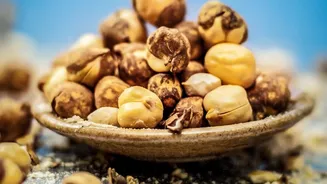
So, what are these mystery additions? Two of the most popular and effective are Greek yogurt and lupin flour. Greek yogurt, when mixed with flour, creates a simple, no-yeast dough that’s soft, chewy, and rich in protein. Brands have launched frozen pizzas using this technique, gaining viral attention for packing up to 40-50 grams of protein into a single pie. Another powerful ingredient is lupin flour, which is made from ground lupin beans, a legume. It is naturally gluten-free, low in carbohydrates, and exceptionally high in both protein and fibre, making it a favourite for keto and low-carb pizza bases. Some recipes even use cottage cheese or unflavoured protein powders to achieve a similar result.
Why Add Protein to the Crust?
The primary benefit of a high-protein crust is its ability to make you feel full and satisfied for longer. Protein and fibre slow down digestion, which helps prevent the sharp blood sugar spikes and subsequent crashes often associated with traditional refined-flour crusts. This sustained energy release makes high-protein pizza a more balanced meal. For fitness enthusiasts, it’s an appealing way to increase protein intake to support muscle repair and growth. Furthermore, ingredients like lupin flour offer additional benefits, being rich in minerals like iron and potassium, while Greek yogurt can provide gut-friendly probiotics.
Taste, Texture, and What to Expect
While a high-protein crust won't taste exactly like a traditional one from a wood-fired oven, the results are surprisingly delicious. Doughs made with Greek yogurt or cottage cheese are often described as having a slight tang, with a texture that is crispy on the outside and soft and chewy inside. Lupin flour has a slightly nutty and earthy flavour, which is why it is often blended with other flours, like almond flour, to create a more balanced taste and a desirable, less dense texture. Some commercial mixes also use whey protein, which can contribute to a savoury, nutty flavour profile. The key is managing expectations: it’s a different kind of pizza, but one that still delivers on the satisfying experience of a cheesy, flavourful slice.
A Note on Allergies and Considerations
While these ingredients offer exciting nutritional benefits, it’s important to be aware of potential allergies. Lupin is a legume related to peanuts, and individuals with peanut or other legume allergies may have a reaction to lupin flour. Similarly, those with dairy sensitivities should be mindful of crusts made with Greek yogurt, cottage cheese, or whey protein. As with any food trend, it's always wise to read ingredient labels carefully, especially if you have known food allergies or dietary restrictions. These innovative pizzas offer a fantastic alternative for many, but they are not a one-size-fits-all solution.