




Why A Gradual Transition Matters
During Navratri fasting, your body adapts to a different eating pattern, often involving lighter foods, fewer grains, and different meal timings. Jumping straight back into heavy, spicy, or rich meals can shock your system, leading to bloating, acidity,
and digestive distress. The key is to reintroduce foods slowly and mindfully, allowing your gut to readjust. Think of it as a cool-down after a workout; it is an essential step to prevent strain and ensure you feel your best. A gradual approach helps you savour your favourite dishes without the uncomfortable aftermath.
1. Deep-Fried Breads and Snacks
Piping hot puris, kachoris, and pakoras might be calling your name, but these deep-fried delights are best enjoyed in small quantities right after a fast. Your digestive system has had a rest from processing heavy, oily foods. Overloading it can lead to indigestion, heaviness, and sluggishness. While fasting foods like kuttu pakoras are common, transitioning with them in large amounts is not ideal. Instead of a large platter, have just one or two pieces alongside a lighter main course like khichdi or dal.
2. Rich, Sugary Sweets
Festivals and sweets go hand-in-hand, but after a period of modified eating, your body can be sensitive to sudden sugar spikes. Indulging in large portions of ladoos, halwa, or jalebis can cause your blood sugar levels to shoot up and then crash, leaving you feeling tired and craving more sugar. Enjoy a small portion of your favourite mithai, but listen to your body. Opt for naturally sweet foods like fruits to satisfy your sweet tooth initially.
3. Heavy Grains and Flours
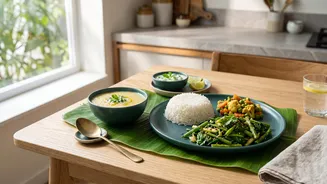
During Navratri, many people avoid or limit grains like wheat and rice. Reintroducing them too quickly, especially in the form of heavy breads or rich biryanis, can feel heavy on the stomach. Your gut needs time to start producing the enzymes required to digest these complex carbohydrates efficiently. Start with lighter options like simple rice, soft rotis, or a comforting bowl of dalia before moving on to more complex grain-based dishes.
4. Very Spicy and Oily Curries
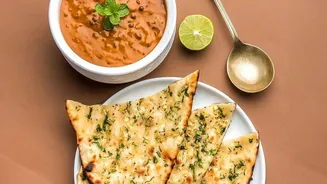
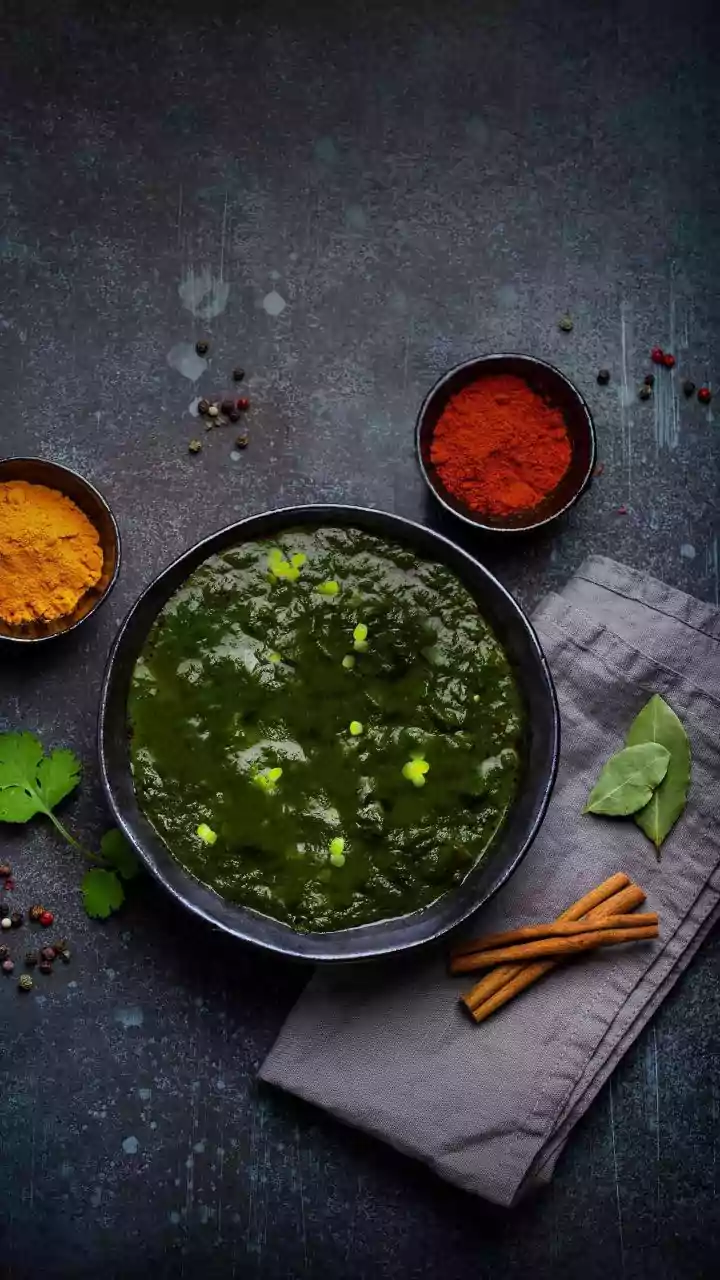
That rich, spicy paneer curry or chole bhature might seem like the perfect celebratory meal, but the high spice and oil content can irritate a sensitive post-fast digestive tract. After days of simpler, 'satvik' food, a sudden influx of strong spices can trigger acidity and discomfort. Ease back in with mildly spiced vegetable preparations or simple dals. You can gradually increase the spice levels over the next few days as your system gets back into its rhythm.
5. Full-Fat Dairy and Heavy Desserts
While dairy products like milk and yogurt are often part of the Navratri diet, heavy dairy-based desserts like rabri, kheer, or rich milkshakes can be hard to digest in large quantities immediately after the fast ends. These foods are dense in fat and sugar. Start with lighter dairy options like buttermilk (chaas) or plain curd, which are excellent for digestion, before indulging in richer preparations.
6. Processed and Packaged Snacks
The convenience of packaged chips, biscuits, and other snacks is tempting, but they are often high in sodium, preservatives, and unhealthy fats. After a period of eating fresh, home-cooked meals, your body will be better off without these. They offer little nutritional value and can contribute to bloating and water retention. Stick to whole, fresh foods as you transition back to your normal diet.
7. Caffeinated and Sugary Beverages
If you cut back on tea and coffee during your fast, reintroducing them in large amounts can lead to jitters or acidity. The same goes for sugary soft drinks and packaged juices, which can cause an undesirable sugar rush. Your priority should be hydration, so focus on water, coconut water, or fresh lime water. If you do want tea or coffee, start with a smaller, less potent cup.