




The Joy of Roasting Your Own
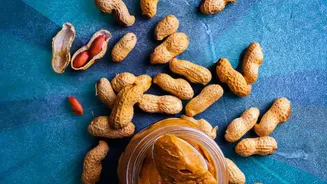
Store-bought roasted peanuts are convenient, but they often can't compare to the rich, intense flavour of a batch made in your own kitchen. When you roast peanuts yourself, you control everything—from the quality of the nuts to the level of salt and seasoning.
The process fills your home with an incredible aroma and leaves you with a snack that is fresher and often healthier than pre-packaged options, which can contain unwanted additives. Plus, mastering this simple skill is deeply rewarding, turning a basic legume into a gourmet treat perfect for snacking, sharing, or adding to your favourite recipes.
The Simple Science of a Loose Skin
The magic of a loosening peanut skin is a simple result of heat and moisture. During roasting, the peanut kernel heats up, causing it to lose moisture and shrink slightly. At the same time, the heat makes the thin, papery red skin brittle and dry. This combination of a shrinking kernel and a brittle skin effectively breaks the bond that holds them together. Industrial processes for blanching (skinning) peanuts often use carefully controlled heating for this exact purpose, sometimes followed by rubbing the nuts between brushes or rubber belts to remove the loosened skins. For the home cook, it's a built-in indicator of a successful roast.
Your Roasting Masterclass
The most reliable method for roasting peanuts is in the oven, which provides consistent, even heat. Start by preheating your oven to 175°C (350°F). While some sources suggest washing the raw peanuts first to remove dust and debris, be sure to dry them thoroughly before roasting to ensure they become crunchy. Arrange raw shelled peanuts in a single layer on a shallow, rimmed baking sheet; crowding the pan will cause them to steam rather than roast. Roast for 15 to 20 minutes, shaking the pan or stirring the peanuts about halfway through to promote even cooking. If you're using peanuts still in their shells, the process is similar, but they will need a little longer—about 20 to 25 minutes.
The All-Important Doneness Test
This is where the headline's advice comes into play. How do you know when the peanuts are perfectly cooked? The signs are multi-sensory. First, your kitchen should be filled with a distinct, nutty fragrance. Visually, the peanuts will have turned a light golden brown. But the definitive test is the skin. Remove a peanut from the oven and let it cool for a minute so you don't burn your fingers. Rub it between your thumb and forefinger. If the roast is complete, the papery red skin should slip off with very little effort. If it clings stubbornly, the peanuts likely need a few more minutes in the oven. Remember that peanuts continue to cook from residual heat after being removed from the oven, so it's best to pull them out just before they reach your desired level of doneness.
Troubleshooting and Final Touches
If your peanut skins aren't loosening, the most common culprit is under-roasting. Simply return them to the oven for 3-5 minute intervals until they pass the skin test. Conversely, if they smell or taste bitter and scorched, they were roasted for too long or at too high a temperature. Unfortunately, there is no saving burnt nuts, but you'll know to check them more frequently next time. Once your peanuts are perfectly roasted and have cooled for about 10 minutes, it's time to de-skin the whole batch. An easy way is to place them in a clean kitchen towel, fold it over, and rub them vigorously. The friction will remove the skins. You can then separate the nuts from the papery skins by pouring them from one bowl to another in front of a fan or outdoors, letting the lighter skins blow away.
Storing for Lasting Freshness
Once roasted and skinned, your peanuts need to be stored correctly to maintain their crunch and prevent the natural oils from turning rancid. After they have cooled completely, place them in an airtight container. For short-term enjoyment, they can be kept in a cool, dark pantry for a few weeks. However, for the best long-term storage, the refrigerator or freezer is your best option. In an airtight container in the fridge, they can last for several months. For even longer freshness, storing them in the freezer will preserve their quality for up to a year.