
The Problem with Mindless Turning
Many aspiring home composters in India diligently turn their piles, expecting to see rich, dark humus, only to be met with a slimy, smelly mess or a pile that simply refuses to break down. The common wisdom suggests turning introduces oxygen, which is crucial
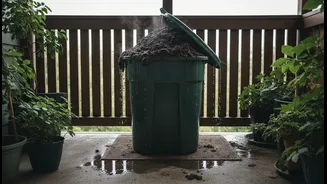
for the aerobic bacteria that do the work of decomposition. This is true, but it misses a critical prerequisite. If a compost mix is too dense, wet, or compacted, turning it only remixes the problem. It’s like stirring a thick, airless soup—you move things around, but you don’t fundamentally change its suffocating nature. This can lead to anaerobic decomposition, which is slow, smelly, and produces harmful compounds that can hurt your plants.
What Is ‘Structure’ in a Compost Mix?
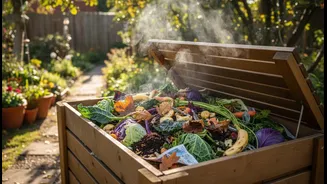
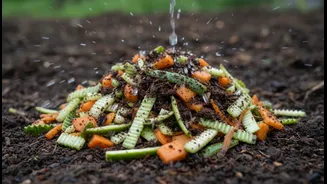
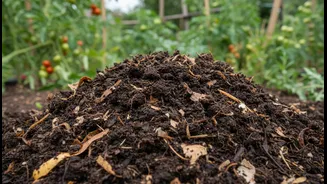
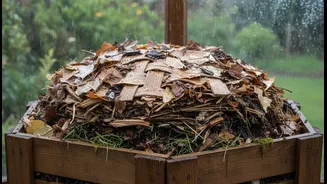
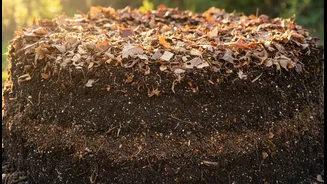
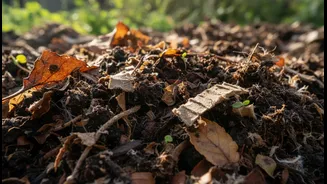
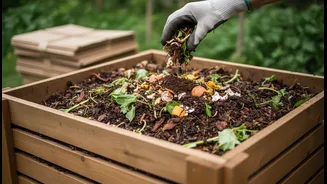
Structure is the framework of your compost pile that creates air pockets, allowing oxygen to permeate the mix. It is provided by bulky, carbon-rich materials, often called “browns”. Think of things like dried leaves, twigs, shredded cardboard, straw, and small wood chips. These materials prevent the wet, nitrogen-rich “greens” (like kitchen scraps, fresh grass clippings, and coffee grounds) from compacting into a dense, airless mat. Without enough browns to provide this physical structure, the pile collapses under its own weight and moisture, squeezing out the air that aerobic microbes need to breathe. A well-structured pile should feel like a wrung-out sponge, moist but with plenty of air spaces.
The Science of Airflow and Decomposition
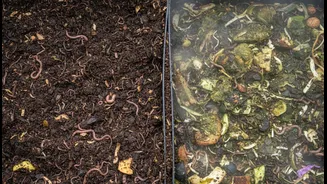
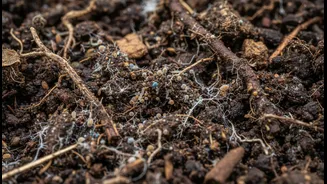
Composting is a living process driven by microorganisms. The most efficient and pleasant-smelling type of decomposition is aerobic, meaning it requires oxygen. Aerobic microbes break down organic matter quickly and produce heat, water, and carbon dioxide, resulting in a healthy compost that smells earthy and sweet. When a pile lacks structure, it becomes waterlogged and compacted. Oxygen can’t get in, and the aerobic microbes die off. They are replaced by anaerobic microbes, which thrive in oxygen-free environments. These are the culprits behind foul odours like rotten eggs (sulfur) or ammonia, and they produce a slimy, sludgy final product that is far from the 'black gold' gardeners desire.
How Turning and Structure Work Together
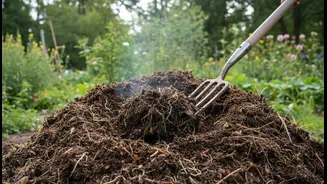
When your pile has the right structure, turning becomes a powerful accelerator. A good ratio to aim for is roughly two to three parts brown material to one part green material by volume. With this balanced mix, turning does exactly what it’s supposed to: it replenishes oxygen, mixes warmer material from the core with cooler material from the edges, and redistributes moisture. This re-energizes the aerobic bacteria, causing a spike in temperature and a rapid acceleration of the decomposition process. If your pile is well-structured, turning it every week or two is sufficient to keep the process moving efficiently without losing too many nutrients to the atmosphere.
Fixing a Mix That Lacks Structure
How can you tell if your pile is structurally deficient? The smell is the biggest clue. An ammonia or rotten-egg odour is a clear sign that things have gone anaerobic. The texture is another giveaway; if the material is slimy, soggy, and compacted, it needs help. The fix is straightforward: you need to add more structure. Break apart the compacted pile with a garden fork. As you do, mix in generous amounts of dry, bulky brown materials like torn-up cardboard, straw, or dried leaves. This will immediately introduce air pockets and absorb some of the excess moisture. It may take a few days, but you will notice the bad smell dissipating, replaced by that desirable earthy scent, indicating the beneficial aerobic microbes are back in charge.