



The Nutritional Showdown
When it comes to nutrition, it’s not a simple win. Quinoa is famous for being a 'complete protein', which means it provides all nine essential amino acids. Per 100g, quinoa offers about 13-14g of protein, almost double the 7g found in ragi. It also has
an edge in iron and folate. However, ragi, or finger millet, is the undisputed champion of calcium. It contains approximately 344-364mg of calcium per 100g, which is significantly more than quinoa's 47-198mg. This makes ragi an exceptional choice for bone health, especially for children and older adults. Ragi also holds its own with a high fibre content of around 11g, which aids in digestion and keeps you feeling full.
The Price Point Battle
For most Indian households, this is the most critical factor. Ragi is a locally grown millet and has been a staple for centuries, making it widely available and extremely affordable. Depending on the region, ragi can cost anywhere from ₹60 to ₹100 per kilogram. Quinoa, on the other hand, is primarily imported from South America. This international journey adds costs like shipping and import duties, pushing its price up significantly. Quinoa can cost anywhere from ₹250 to ₹500 for just 500 grams, making it several times more expensive than ragi. For daily consumption, ragi is the far more budget-friendly option.
Cooking, Taste, and Versatility
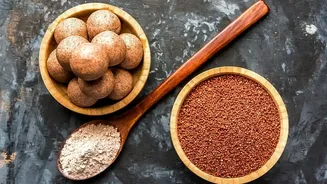
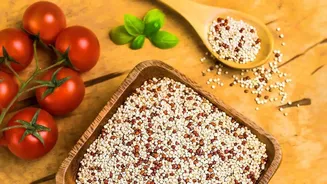
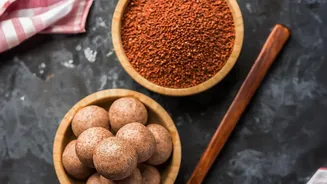
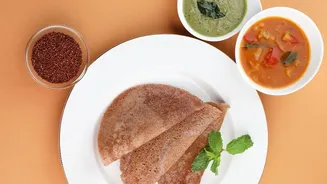
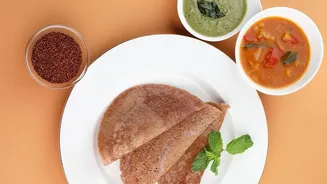
Ragi has been woven into the fabric of Indian cuisine for generations, especially in the southern states. It is commonly used to make ragi mudde (balls), dosas, rotis, and porridge (malt). Its earthy flavour is familiar and blends seamlessly into traditional recipes. Quinoa is newer to the Indian palate. It has a milder, nuttier taste and is often used in modern dishes like salads, pulao, and upma. While versatile, incorporating quinoa can sometimes feel less intuitive for everyday Indian cooking compared to ragi flour, which can be easily swapped into many existing meal plans.
Health Benefits for a Modern Lifestyle
Both grains are gluten-free, making them excellent for individuals with celiac disease or gluten sensitivity. They also both have a low glycemic index, which means they release sugar into the bloodstream slowly. This is beneficial for managing blood sugar levels, making both ragi and quinoa suitable for people with diabetes. The high fibre in both grains supports weight management by promoting a feeling of fullness and preventing overeating. Ragi's high antioxidant content is also noted for its potential anti-ageing and heart health benefits.
The Verdict: Which Grain Is for You?
There is no single 'better' grain; the right choice depends entirely on your priorities. If your main goal is to increase protein intake and you’re not constrained by budget, quinoa is an excellent choice. Its complete amino acid profile is a significant advantage. However, if you are looking for a cost-effective, locally sourced grain that is exceptionally rich in calcium and fibre, ragi is the clear winner. For addressing common Indian nutritional deficiencies like low calcium and iron, millets like ragi are often more targeted and practical for daily meals.