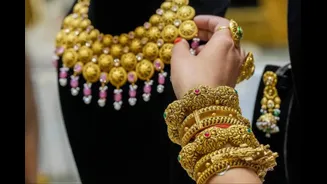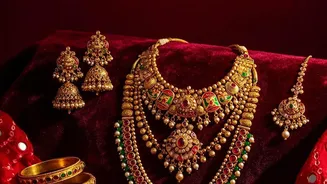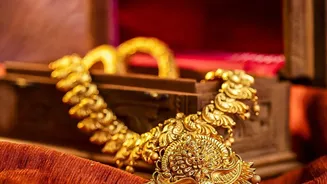







For countless Indian families, the wedding season means one thing: buying gold. It’s a tradition, an investment, and a symbol of prosperity. But this year, that cherished purchase comes with a challenge: sharp and unpredictable price swings.
The Heart of the Matter: Why Now?
The final
quarter of the year is typically peak season for gold demand in India, driven by festivals and a packed wedding calendar. Weddings are estimated to account for about half of India's yearly gold consumption. This predictable surge in buying usually gives prices firm support. However, 2026 is different. The market is currently caught in a tug-of-war between strong domestic traditions and powerful global economic forces, creating a period of significant volatility. Prices have seen a sharp correction since their peak in January 2026, with domestic gold shedding nearly 6% since November 9 alone. This has left many families wondering whether to buy now, wait for a further dip, or risk paying more if prices suddenly rebound.
Global Factors Rocking the Market
Much of the current instability originates far beyond India's borders. The primary driver is the United States' monetary policy. To combat persistent inflation, the US Federal Reserve has signalled it may continue to raise interest rates. Higher interest rates make government bonds, which pay regular income, more attractive to global investors than gold, which does not. This reduces gold's appeal. Furthermore, these rate hike expectations have strengthened the U.S. dollar. Since gold is priced in dollars internationally, a stronger dollar makes it more expensive for those buying with other currencies, including the Indian rupee, which can dampen demand.
Domestic Pressures Adding to the Flux
While global trends set the stage, local factors add another layer of complexity. The Indian rupee's exchange rate against the dollar plays a crucial role. A weaker rupee can increase the landed cost of imported gold, partially offsetting a fall in international prices. Conversely, a stronger rupee can make gold cheaper for Indian consumers. Adding to this are India's import duties, currently at 15%, which keep domestic prices significantly above the global rate. Despite recent price drops, festive demand during Diwali was reportedly healthy, and the World Gold Council expects the ongoing wedding season to continue supporting jewellery sales. However, there are signs that some consumers are opting for lighter-weight pieces due to overall high prices.
How Should Buyers Approach This Market?
Navigating this volatile market requires a strategic approach. Financial advisors often suggest that instead of trying to 'time the market' perfectly, it’s wiser to buy in a staggered manner. Making smaller purchases over a period of time can help you average out the cost, protecting you from buying everything at a sudden peak. It's also important to differentiate between jewellery for adornment and gold as a pure investment. For investment, gold coins, bars, or Sovereign Gold Bonds (SGBs) are often recommended as they don't involve the high making-charges associated with ornate jewellery. SGBs even offer an additional 2.5% annual interest. When buying jewellery, focusing on classic designs with lower making-charges can help preserve more of the asset's value over the long term.