




How to Pick the Perfect Lychee
Your search for the perfect lychee begins with your eyes and hands. Look for fruits with vibrant, bright red or deep pink skin. A bit of browning or some greenish-red colour can be acceptable for certain varieties, but avoid those that are predominantly
brown, as this often indicates they are past their prime. The fruit should be about one inch or larger in diameter and feel heavy for its size, which is a good sign of juiciness. Gently press the lychee; it should feel firm but have a slight give, much like a ripe grape. If it's rock-hard, it's likely unripe, and if it's overly soft or mushy, it may be spoiled. A ripe lychee will also have a subtle, sweet floral aroma.
Red Flags: Signs of a Bad Lychee
It’s equally important to know what to avoid. Steer clear of lychees with cracked or leaking skin, as this exposes the fruit to bacteria and spoilage. A sour, fermented, or alcoholic smell is a definite sign that the fruit has gone bad and should be discarded. Any visible mould or dark, slimy patches on the skin also mean the lychee is no longer fresh. While some browning can happen after picking, extensive brown, dull skin usually points to an old, dried-out fruit. Since lychees do not ripen after being harvested, it's crucial to select them when they are already ripe.
The Art of Peeling
Peeling a lychee should be a simple act that reveals the treasure within, not a messy struggle. The skin of a ripe lychee is surprisingly easy to remove. Start at the top near the stem nub. Use your thumbnail or a small knife to pierce the skin, then gently peel it back. On a perfectly ripe fruit, the skin may come off in just a couple of large pieces, or you might be able to give it a gentle squeeze to pop the flesh out. It’s best to peel them right before you plan to eat them to preserve their freshness and prevent the flesh from drying out.
The Sweet Reveal: Perfect Flesh
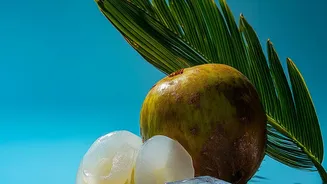
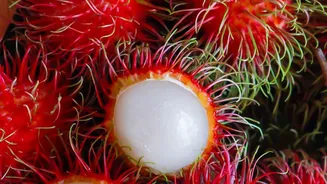
Once peeled, the ideal lychee flesh should be a beautiful pearly white or semi-translucent colour. It should look plump, firm, and glistening with juice. If you see flesh that is yellow-brown, completely transparent, or has mottled spots, the lychee is likely spoiled or fermented and should not be eaten. The taste should be a unique balance of sweet and slightly tart, with floral notes often compared to a mix of grape, pear, and rose. The texture should be similar to a peeled grape, both smooth and satisfying.
A Taste of India's Lychee Varieties
India, the world's second-largest lychee producer, boasts several delicious varieties, primarily from states like Bihar, West Bengal, and Uttarakhand. The GI-tagged 'Shahi' lychee from Muzaffarpur, Bihar, is famous for its exceptional sweetness, aroma, and juicy pulp that melts in your mouth. The 'Dehradun' variety is another premium choice, loved for its pleasant aroma and sweet, juicy flesh. Others like 'Bedana' are prized for having very small seeds, meaning more pulp per fruit, while the 'Bombai' and 'Calcutta' varieties are also popular commercial choices known for their juiciness and distinct flavours.
Storing Your Summer Jewels
To extend the life of your lychees, proper storage is key. Don't leave them out at room temperature for more than a couple of days, as they will quickly dehydrate. For best results, place the unpeeled lychees in a perforated plastic bag, perhaps with a paper towel to absorb excess moisture, and store them in the refrigerator. This method can keep them fresh for up to a week or even ten days. While the skin may still turn brown in the cool, dry air of the fridge, the flesh inside will remain delicious. For long-term storage, you can even freeze peeled and pitted lychees in an airtight container for several months.