







The Current Crisis
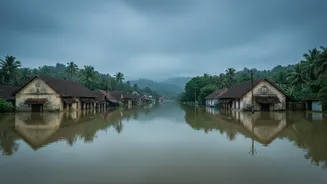
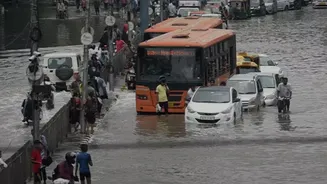
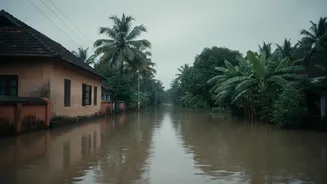
A state of high alert is in effect across much of Kerala after torrential downpours caused widespread devastation. As of early August, the death toll from rain-related incidents has risen to over 25. The India Meteorological Department (IMD) issued red
alerts for eight districts, including Pathanamthitta, Kottayam, Idukki, and Wayanad, signalling the expectation of extremely heavy rainfall exceeding 204 mm in 24 hours. In response to the crisis, more than 18,000 people have been relocated to over 400 relief camps set up across the state. The districts with the highest number of evacuees are Pathanamthitta, Kottayam, and Alappuzha. The situation remains critical, with major rivers like the Pamba, Manimala, and Meenachil overflowing their banks and inundating towns and villages.
A Perilous Landscape
The danger in Kerala is twofold: rising rivers and unstable slopes. The state's unique geography, dominated by the fragile Western Ghats, makes it exceptionally prone to landslides during the monsoon. When prolonged rains saturate the soil, the bond between the topsoil and the underlying rock weakens. A subsequent burst of intense rain can then be the final trigger, causing entire hillsides to collapse. Experts point out that decades of human activity, including unscientific hill cutting for construction, quarrying, and changes in land use for plantations, have significantly worsened this inherent vulnerability. These interventions disrupt natural drainage patterns and destabilize the terrain, turning heavy rainfall events into large-scale disasters. This year, scores of landslips were recorded in Idukki district alone within a single day.
An All-Out Response
Learning from the devastating floods of 2018, Kerala's disaster management apparatus has mobilized swiftly. Seven teams from the National Disaster Response Force (NDRF) have been deployed for rescue and relief operations, with additional units on standby. The state government, led by Chief Minister V.D. Satheesan, is coordinating the efforts, with ministers assigned to oversee the response in the worst-affected districts. Fishing boats have been brought in for rescue missions in inundated areas like Ranni, and Indian Air Force helicopters are on standby for emergency deployment. Relief camps are providing shelter, food, and medical aid to the thousands displaced. The government has also taken steps to manage water levels in major reservoirs, though many remain below full capacity. All tourism activities in the high-risk districts have been suspended as a precautionary measure.
Echoes of 2018
The current deluge brings back painful memories of the catastrophic 2018 floods, the worst in a century for Kerala. That event served as a brutal wake-up call, exposing gaps in disaster preparedness and highlighting the consequences of ecological degradation. While the state has since invested in better early warning systems and more coordinated rescue efforts, this year's events show the immense challenge that remains. Experts argue that while response mechanisms have improved, the state has not fully internalized the lessons from 2018 regarding unsustainable land use and its impact on the environment. The recurring nature of these floods suggests that long-term solutions must go beyond just emergency response and address the root causes of the region's increasing vulnerability to extreme weather events.