

An Eruption Grounds Modern Travel
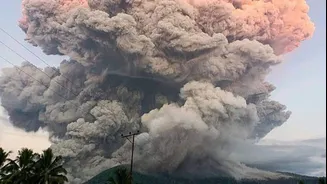
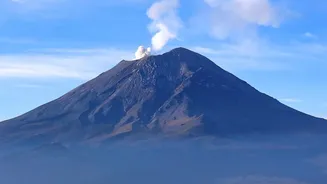
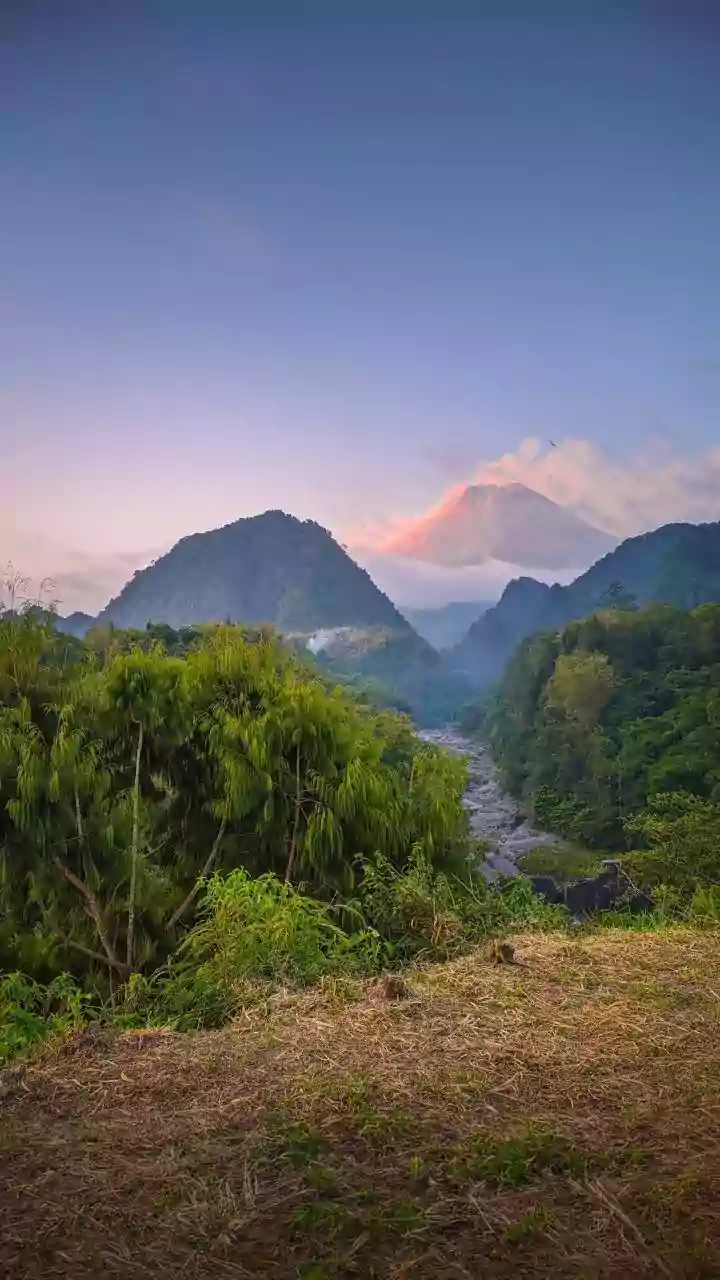
Over the past several days, Indonesia’s Anak Krakatau volcano has sprung to life, spewing lava and sending vast plumes of volcanic ash high into the atmosphere. This dramatic natural event, taking place in the Sunda Strait between the islands of Java
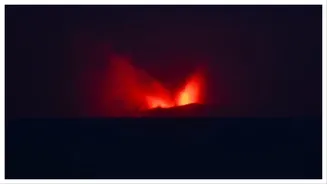
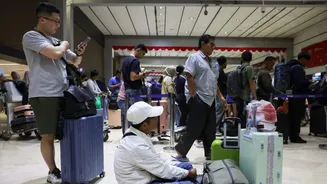
and Sumatra, has had immediate and far-reaching consequences for air travel. Major airports, including Jakarta's Soekarno-Hatta International Airport, were forced to close, leading to the cancellation of over 1,500 flights and leaving an estimated 170,000 passengers stranded. The decision to halt flights was not taken lightly but was a necessary safety measure as ash clouds, some reaching altitudes of 50,000 feet, drifted over key flight paths. While the volcano’s primary continuous eruption episode has reportedly ended, authorities confirm its activity level remains high, with ongoing Strombolian eruptions—short, explosive bursts of lava—and the potential for further disruptions.
The Unseen Danger to Aircraft
To an observer on the ground, a distant ash cloud might seem like little more than a dark haze. But for a modern jet aircraft, it represents a critical and multifaceted threat. Volcanic ash is not like the soft soot from a fire; it is composed of tiny, sharp fragments of rock, minerals, and volcanic glass. When an airplane flies through an ash cloud, these abrasive particles act like a sandblaster, scouring cockpit windows and damaging flight control surfaces. The most severe danger, however, lies within the jet engines. The internal operating temperature of a jet engine is high enough to melt the volcanic glass particles. This molten material then fuses onto cooler parts of the engine, such as turbine blades and fuel nozzles, solidifying into a ceramic-like coating. This process can block the flow of air through the engine, leading to a loss of thrust, compressor stalls, and potentially a complete engine flameout. This is why aviation authorities adopt a zero-tolerance policy, closing airspace when ash is present.
A Legacy of Destruction
The name Krakatau, or Krakatoa, resonates in history for good reason. The current volcano, Anak Krakatau, which means "Child of Krakatau," is a relatively new geological formation that emerged from the sea in 1927. It rose from the caldera left behind by the cataclysmic 1883 eruption of the original Krakatoa volcano. That historic event was one of the most destructive volcanic eruptions in recorded history, producing the loudest sound ever documented and triggering devastating tsunamis that killed more than 36,000 people. Anak Krakatau itself has a violent history. In December 2018, a major eruption and flank collapse caused a tsunami that killed over 400 people and resulted in the volcano losing two-thirds of its height. This legacy underscores why Indonesian authorities and volcanologists monitor the volcano so intensely. While officials have stated there is no imminent tsunami threat from the current activity, the volcano’s history serves as a potent reminder of its power.
Monitoring the Skies
The response to a volcanic eruption is a coordinated effort between scientists and aviation authorities. Indonesia's volcanology agency (PVMBG) continuously monitors Anak Krakatau, tracking seismic activity and eruptions. This data is fed to organisations like the Darwin Volcanic Ash Advisory Centre (VAAC), one of nine such centers worldwide. The VAAC uses satellite imagery and atmospheric models to track the location, altitude, and trajectory of ash clouds, issuing advisories to air traffic controllers and airlines. Based on these advisories, aviation bodies like AirNav Indonesia make the critical decision to close airspace to ensure flight safety. The priority is always to prevent aircraft from encountering ash, as it can be difficult to detect with onboard radar and invisible at night. For passengers, this means staying updated with airline announcements and understanding that cancellations, while frustrating, are a crucial part of a global safety system designed to mitigate a very real risk.