



The Art of the Balanced Itinerary
The most common mistake on a Tuscan road trip is over-scheduling. The region’s magic lies in the balance between exploring its dense, historic towns and embracing the slow, meandering drives through its famous landscapes. A successful itinerary doesn’t
treat the drives as mere transit between destinations; the drive is the destination. The best approach is to alternate your days. Plan a day focused on exploring a town like Siena or San Gimignano, followed by a day dedicated to a scenic route, like the Chiantigiana (SR222), with plenty of time for spontaneous stops. This rhythm prevents the fatigue of constant museum-hopping and allows you to soak in the countryside views that make Tuscany iconic.
Choosing Your Base: Agriturismo vs. Town
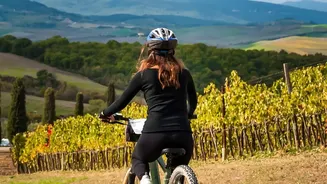
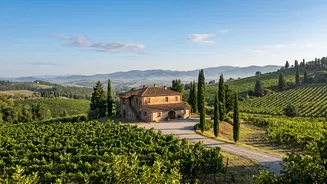
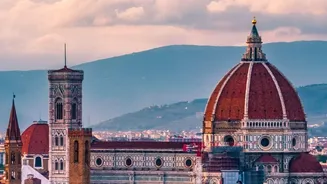
Where you stay shapes your entire experience. Staying in a city like Siena or Florence offers walkability and vibrant evening life, but it means dealing with traffic and parking when you want to explore the countryside. For a road trip, a countryside base, or 'agriturismo,' is often ideal. These farm stays, which range from rustic to luxurious, place you directly in the landscape you came to see. Waking up to vineyard views and having the freedom to start your drive without city congestion is a huge advantage. You can still easily visit towns for day trips, but you get to retreat to rural tranquility in the evenings. Consider a split stay: a few nights in Florence (without a car) and the rest at an agriturismo for your driving days.
Embrace the Scenic Drive
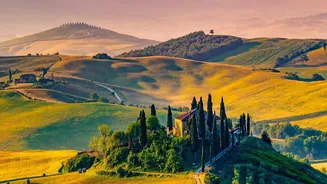
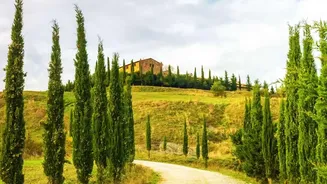
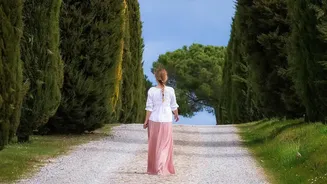
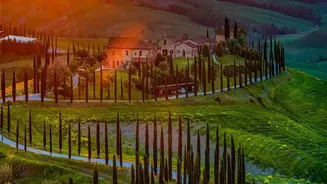
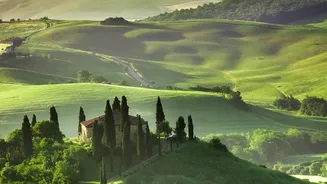
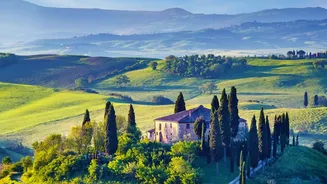
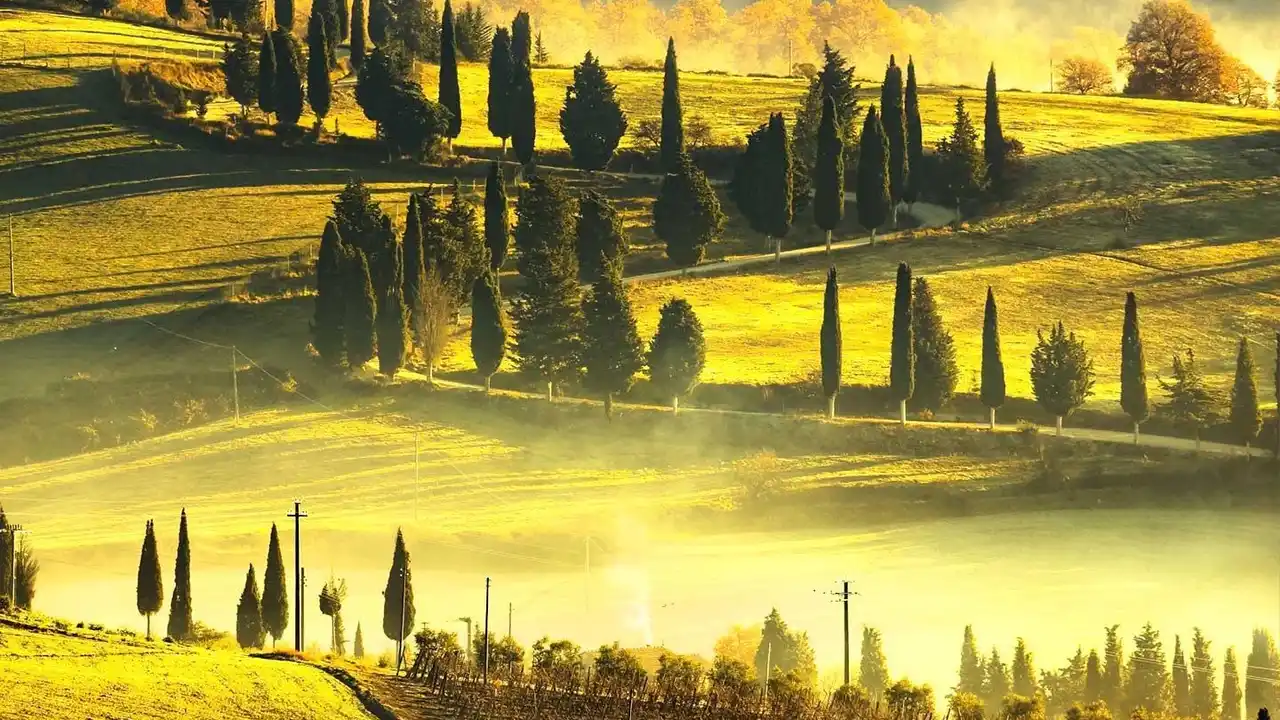
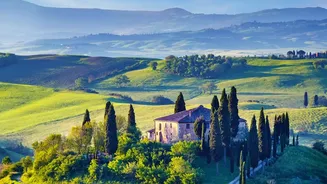
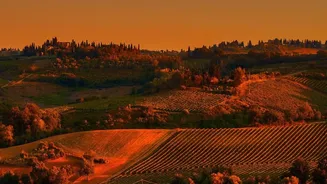
Tuscany's legendary drives are journeys in themselves. The two most essential routes are the SR222, known as the 'Via Chiantigiana,' and the network of roads through the Val d'Orcia. The Chiantigiana runs from Florence to Siena, winding through the heart of wine country with its rolling vineyards and olive groves. Further south, the Val d'Orcia, a UNESCO World Heritage site, offers the classic postcard vistas: golden hills, cypress clusters, and winding gravel roads ('strade bianche'). Key roads here include the SP146 between Pienza and San Quirico d'Orcia. The goal is to drive fewer kilometers than you think you need to. The joy is in pulling over for a photo, stopping in a village not on your list, and letting the landscape dictate your pace.
Towns: The Famous and the Forgotten
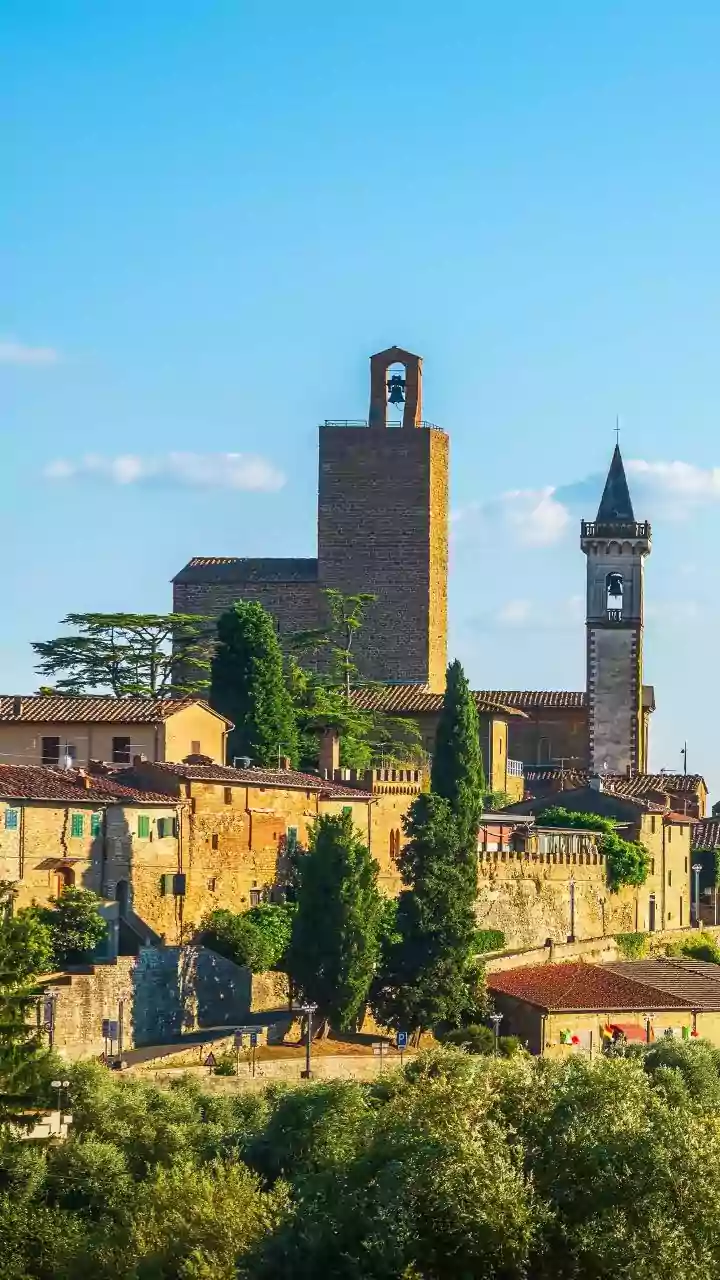
While Florence and Siena are magnificent anchors, the soul of Tuscany is often found in its smaller hill towns. San Gimignano, with its medieval towers, and Montepulciano, known for its Vino Nobile, are justifiably popular. But for a more balanced trip, mix these with less-crowded gems. Pienza is a Renaissance jewel overlooking the Val d'Orcia, while Volterra offers a rich Etruscan history and a more rugged feel. Consider towns like Montalcino for wine lovers, or the walled fortress of Monteriggioni. Visiting these smaller towns allows you to experience local life, from the morning market in the piazza to the quiet, family-run trattorias.
Practical Tips for Driving in Tuscany
Driving in Tuscany is a pleasure, not a terror, if you know the rules. The most important concept is the ZTL (Zona a Traffico Limitato), or Limited Traffic Zone. These camera-enforced areas are in the historic centers of almost every town and city, and driving into one without a permit results in a hefty fine. The simplest rule is to always park outside the historic walls and walk in. Look for parking signs (blue lines are paid, white are often free) and never just follow your GPS into a narrow medieval gate. Rent the smallest car that fits your party, as country roads can be narrow. Finally, download offline maps, as mobile service can be patchy in rural valleys.