






The Headline Forecast: An $80–$100 Range
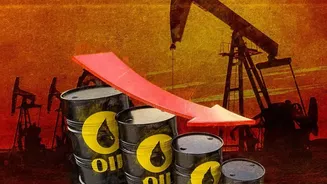
According to S&P Global Energy's latest analysis, global crude oil prices are expected to remain elevated, trading broadly within a range of $80 to $100 per barrel through 2027. Specifically, their forecast anticipates Dated Brent, a key global benchmark,
to average around $86 per barrel in 2027. This projection comes at a time of significant market volatility, with ongoing geopolitical conflicts and production uncertainties keeping prices firm. The forecast reflects a market caught between countervailing forces: persistent supply risks are propping prices up, while constraints in global refining capacity are preventing them from spiraling even higher. This baseline provides a crucial, if unsteady, guide for industries and governments planning for the coming year.
The Supply-Side Story: OPEC+ and Geopolitics
The core of S&P Global's analysis, and the primary reason for the 'buyer beware' fine print on any forecast, is the global supply picture. A major factor is the production strategy of OPEC+, the consortium of oil-producing nations led by Saudi Arabia and Russia. Throughout 2026, the group has been managing production levels to stabilize markets. After a series of cuts, the group began to unwind them, but recent decisions show a cautious approach. In a recent meeting, key members agreed to maintain production levels, holding back significant capacity from the market. This strategy is heavily influenced by geopolitical events, particularly conflicts in the Middle East that have disrupted shipping routes like the Strait of Hormuz and created uncertainty around the flow of millions of barrels of oil. S&P's outlook suggests that a full recovery of crude production in West Asia to pre-conflict levels is unlikely even by the end of 2027, ensuring supply remains a dominant concern.
Non-OPEC Growth: The Counterbalance
While OPEC+ holds a tight rein on its output, production is growing elsewhere. A key counterbalancing force is the robust output from non-OPEC+ countries, particularly in the Americas. Nations like the United States, Brazil, Canada, and Guyana are significantly increasing their oil production. This surge in non-OPEC supply is crucial, as it adds a much-needed buffer to the global market and prevents prices from climbing even higher. According to some analyses, non-OPEC+ countries are expected to add over a million barrels per day of supply annually through 2027. This growth acts as a critical variable in the global oil equation, helping to offset some of the tightness created by OPEC+ policy and geopolitical disruptions. The dynamic between disciplined OPEC+ management and surging non-OPEC production will be a central theme for markets in the coming year.
The Wildcard: Inventories and Demand
Beyond production numbers, the level of global oil inventories plays a vital role. Current inventories are relatively low, which means there is less of a cushion to absorb sudden supply shocks. This encourages buyers to purchase oil to rebuild their stocks, adding to demand and supporting prices. On the demand side, the outlook is mixed. The International Energy Agency (IEA) noted that global oil demand is expected to recover in 2027 after a decline in 2026, but this recovery is sensitive to global economic health, particularly in major economies like China. Weaker-than-expected economic growth could dampen demand for fuel, putting downward pressure on prices. S&P Global noted that a weaker demand outlook could limit the extent of any sustained price rally, even with ongoing supply risks. Therefore, the forecast depends just as much on how much oil the world needs as it does on how much is being pumped.
What It All Means for India
For a major oil-importing nation like India, S&P Global's forecast of sustained high prices is particularly significant. Elevated crude oil prices directly impact the country's import bill, which can strain foreign exchange reserves and widen the trade deficit. For consumers, this translates into higher prices for petrol and diesel, which in turn fuels broader inflation across the economy as transportation costs for goods rise. The government often faces a difficult choice between absorbing the higher cost through subsidies, which impacts the fiscal budget, or passing it on to consumers, which affects household expenses and can slow economic activity. An environment where oil stays between $80 and $100 per barrel means that energy costs will remain a central challenge for India's economic planners, businesses, and the public for the foreseeable future.