

The Algarve's golden sea caves are a world-famous sight, but your ability to see them depends entirely on one thing: the ocean. Understanding the sea conditions is the key to planning a successful and awe-inspiring visit to these natural wonders.
The Unforgettable Views
The allure
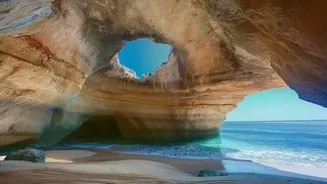
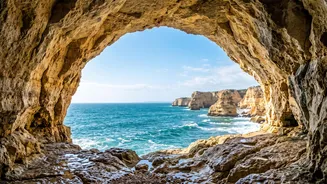
of the Algarve's coastline is undeniable. From the intricate grottoes of Ponta da Piedade in Lagos to the world-renowned Benagil Cave, the views are spectacular. These natural cathedrals have been carved from golden limestone over millennia, creating a network of caves, arches, and hidden beaches. The most famous of these, the Algar de Benagil, features a stunning skylight in its roof, which allows a dramatic beam of sunlight to illuminate the sandy beach inside. Boat and kayak tours navigate through turquoise waters, offering close-up perspectives of these incredible formations and the dramatic cliffs that line the coast. The interplay of light, water, and rock creates a constantly changing, almost magical spectacle that draws visitors from around the world.
Why Sea Conditions Are Critical
Your access to these caves is entirely at the mercy of the Atlantic Ocean. Sea state matters more than anything else, including the tides. While low tide can provide more space inside the caves, it is the swell—the size and power of the waves—that determines if tours can run. For safety reasons, most operators will cancel trips if the swell is above 1.5 metres. Wind is another major factor, especially for smaller vessels like kayaks and stand-up paddleboards (SUPs). Tour companies constantly monitor conditions and will not hesitate to cancel for safety, so it is crucial to remain flexible with your plans. North or northwest winds often create calm, protected conditions along the coast, whereas a southerly wind can bring in waves that make cave entry impossible.
Best Time of Year to Visit
The prime season for visiting the sea caves is from May to October. During these months, the sea is generally calmer, and the weather is warm and sunny. The shoulder months of May, June, and September are often considered the sweet spot, offering a great balance of good weather and fewer crowds than the peak months of July and August. A visit in November, during the off-season, can be rewarding with far fewer people, but it comes with a higher chance of tour cancellations due to less predictable weather and more frequent Atlantic swells. Water temperatures in November hover around 18°C, which most people find bracing for a quick swim. If you plan an off-season trip, it's wise to book your tour for early in your stay to allow for rescheduling in case of bad weather.
Choosing Your Tour: Boat vs. Kayak
You have several options for exploring the caves, each offering a different experience. Small motorboat tours are the most common and are suitable for all ages. They often cover more coastline and visit multiple caves, though time inside the famous Benagil Cave is typically limited to a few minutes. For a more intimate and active experience, guided kayak or SUP tours allow you to paddle right into smaller grottoes that boats cannot access. Under regulations in effect since 2024, all kayak and SUP tours must be guided; unguided rentals for the cave areas are prohibited. It's also important to note that swimming to the caves and landing on the beach inside Benagil Cave are now banned for safety and conservation reasons.
Practical Details for Your Trip
To make the most of your adventure, keep these tips in mind. Always book with a licensed operator who provides safety equipment, including life jackets for all passengers. For the best light at Benagil Cave, particularly the famous sunbeam, aim for a tour between 10 a.m. and 1 p.m. during the summer months. If avoiding crowds is your priority, book the earliest morning departure. Dress in layers and consider a windproof jacket, as it can be cool on the water even on a sunny day. Sunscreen, a hat, and a waterproof bag for your electronics are essential. Finally, while booking in advance is recommended in high season, always check the sea conditions on the day of your tour and listen to the advice of your local guides—their expertise is your best guarantee for a safe and enjoyable experience.