






A Crop in Crisis
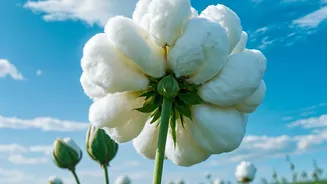
The numbers paint a stark picture of the decline. For the 2026-27 Kharif season, cotton was sown on less than 80,000 hectares, a fraction of the area it occupied in the past and well short of the government's target of 1.25 lakh hectares. This isn't a sudden
drop but the culmination of years of dwindling confidence. Just a few years ago, in 2019, the crop covered over 3.3 lakh hectares. Go back further, and the contrast is even more dramatic, with cultivation figures once exceeding 7 lakh hectares. The result is a cotton-based industry, from ginning to spinning, now facing a severe raw material crisis and having to source from other states. This decline means farmers are overwhelmingly choosing an alternative: paddy.
The Pink Bollworm Plague
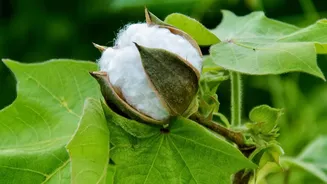
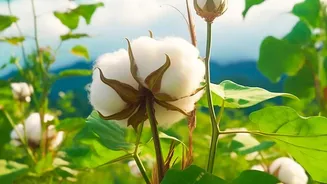
One of the primary villains in this story is a persistent pest: the pink bollworm. For at least five consecutive seasons, this destructive insect has wreaked havoc on cotton crops in Punjab's Malwa belt, the traditional heartland of cotton farming. The larvae of the pink bollworm attack the cotton bolls, feeding on seeds and destroying the fibre, which impacts both the quality and quantity of the yield. The recurring and severe infestations have led to huge financial losses for farmers, with some reporting near-total crop failure. This has eroded farmers' confidence in their ability to protect the crop, making the risk of sowing cotton feel unacceptably high, despite government efforts to manage the pest.
The Allure of Paddy
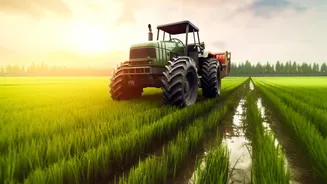
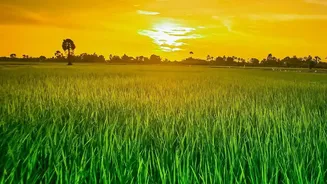
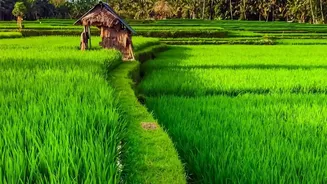
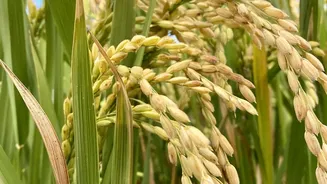
In the face of cotton's unpredictability, paddy (rice) has emerged as a seemingly safer bet. The economic calculation for farmers is straightforward. Paddy cultivation is backed by an assured Minimum Support Price (MSP) and a robust government procurement system, which guarantees a buyer and a stable price. Cotton markets, in contrast, are often subject to private sector volatility and price fluctuations, adding another layer of risk. Furthermore, years of cultivating paddy have led to a well-established ecosystem of mechanisation and labour, making it a familiar and convenient choice for many. While cotton can sometimes offer higher returns in a good year, the consistency and security offered by the paddy-wheat cycle are hard to ignore for farmers seeking financial stability.
An Environmental Paradox
The shift to paddy, however, creates a troubling environmental paradox. Punjab is in the grips of a severe groundwater crisis, with experts warning the state could face desertification if current extraction rates continue. Paddy is a notoriously water-intensive crop, consuming significantly more water than cotton. The state's policy of providing free or heavily subsidised electricity for agriculture has incentivised the unchecked use of tube wells, accelerating groundwater depletion. Farmers now have to drill deeper and invest in more powerful pumps, with costs spiralling into lakhs of rupees. So while farmers are choosing paddy for economic security, they are inadvertently exacerbating an ecological crisis that threatens the long-term viability of agriculture in the entire region.
The Failed Push for Diversification
For decades, agricultural experts and government committees have urged Punjab to diversify away from the water-guzzling paddy-wheat cycle. Cotton was long seen as a key alternative for the state's agro-climatic conditions. However, the current trend shows that these diversification efforts have largely failed to take root on the ground. The state government has attempted to support cotton growers with subsidies on certified seeds, but these incentives have not been enough to outweigh the risks of pest attacks and uncertain market returns. As long as paddy remains the only crop with strong institutional support and guaranteed procurement, farmers have little economic incentive to switch to more sustainable but riskier alternatives, trapping Punjab in a cycle of ecological and agricultural challenges.