





The Magic of Golden Hour
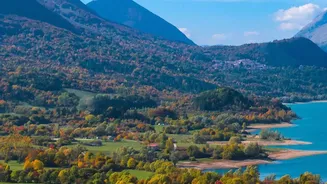
The period shortly after sunrise and before sunset is known as the 'golden hour'. During this time, the sun is low in the sky, casting a soft, warm light that brings landscapes to life. For lake photography, this means long, dramatic shadows, rich colours,
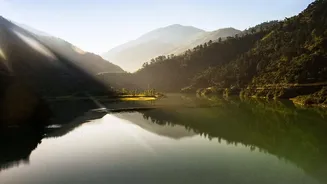
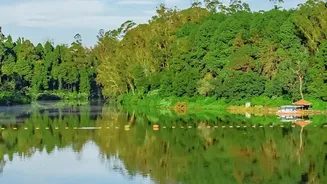
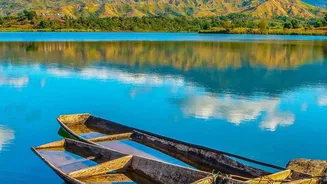
and a beautiful glow across the water's surface. The low angle of the sun reveals textures in the surrounding hills and foliage that are often flattened by the harsh light of midday. To make the most of it, arrive early and scout your location, as this magical light changes quickly. A calm morning during golden hour can produce perfect, mirror-like reflections on the water.
The Serenity of Blue Hour
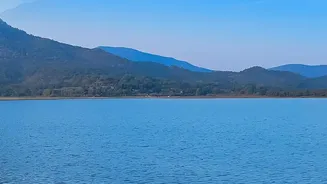
The 'blue hour' occurs just before sunrise and right after sunset, when the sun is below the horizon. This period bathes the landscape in a cool, deep blue light, creating a moody and tranquil atmosphere. It's an ideal time for minimalist compositions, focusing on the serene expanse of the water and the silhouette of the mountains against the colourful sky. Because the light is low, a tripod is essential to capture sharp, clear images with longer exposures. This technique can smooth the water's surface, turning gentle ripples into a glassy, ethereal mirror.
Embracing the Weather
Don't let less-than-perfect weather deter you. Overcast skies act as a giant natural diffuser, providing soft, even light that can make colours appear more saturated—perfect for capturing the lush greens surrounding many lakes. Fog and mist add a sense of mystery and depth, isolating subjects and simplifying a busy scene. A stormy sky can provide a dramatic backdrop, adding tension and energy to your photograph. The key is to adapt to the conditions and understand how different weather can be used to evoke a specific mood in your images.
Tsomgo Lake, Sikkim: The Glacial Jewel
Located at an altitude of over 12,000 feet, Tsomgo Lake is a stunning glacial lake that changes with the seasons. In winter, it freezes into a sheet of white, while in spring and summer, its emerald waters reflect the surrounding snow-capped peaks. For the best reflection shots, arrive early in the morning before the winds pick up. The journey itself offers incredible photo opportunities. The area is also famous for colourfully decorated yaks, which add a unique cultural element to your photographs. A permit is required to visit, so plan accordingly.
Gurudongmar Lake, Sikkim: The High-Altitude Wonder
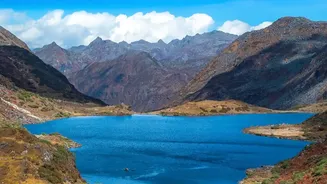
As one of the highest lakes in the world, at over 17,000 feet, Gurudongmar Lake is a sight to behold. The air is thin and the landscape is stark and barren, which makes the lake's crystal-clear turquoise water even more striking. On a calm day, the lake offers breathtaking mirror reflections of the surrounding mountains. The journey is long and arduous, but the otherworldly beauty makes it a pilgrimage for serious landscape photographers. Due to its high altitude and remote location, it’s a place of profound silence and pristine nature.
Umiam Lake, Meghalaya: The Expansive Reservoir
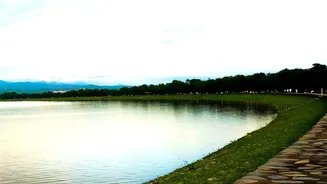
Often called 'Barapani' or 'big water', Umiam Lake is a vast man-made reservoir nestled amidst the rolling Khasi hills near Shillong. Its sheer size and the surrounding lush greenery provide a classic landscape photography setting. Sunrise is particularly beautiful here, as the light spills over the hills and illuminates the water. The lake's many viewpoints offer different perspectives, from wide panoramic shots to more intimate compositions featuring local boats. The interplay of clouds, hills, and water creates a dynamic scene that changes throughout the day.
Loktak Lake, Manipur: The Floating World
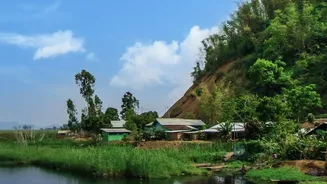
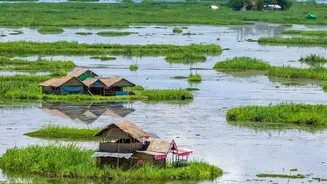
Loktak Lake is famous for its 'phumdis'—unique floating islands of vegetation, soil, and organic matter. These phumdis are so large that local fishermen build their homes on them, creating a one-of-a-kind landscape. This offers incredible photographic opportunities, blending nature with human life. Early morning boat rides provide the best light and the chance to capture fishermen at work against a backdrop of the floating islands. The lake is also home to the Keibul Lamjao National Park, the world's only floating national park.
Sangetsar Lake, Arunachal Pradesh: The Ethereal Forest
Popularly known as Madhuri Lake, Sangetsar Lake was formed by an earthquake in the 1950s that submerged a forest. The result is a hauntingly beautiful scene where the bare trunks of dead trees rise from the calm, clear water. This unique feature makes it a photographer’s dream, especially on misty mornings when the landscape takes on an ethereal quality. Surrounded by towering mountains, the lake's serene and somewhat surreal atmosphere provides a powerful subject, offering a mix of natural beauty and dramatic history.