






A World of Slowing Momentum
The global economic landscape in 2026 is marked by significant challenges. The International Monetary Fund (IMF) projects global growth to slow to 3.0 percent, citing the lingering effects of geopolitical conflict, trade disruptions, and stubborn inflation.
Major economic blocs are feeling the pressure, with the Eurozone's growth projected at a mere 0.9 percent and Japan's at 0.6 percent. China, long a driver of global growth, is expected to see its expansion moderate to 4.6 percent. These figures point to a widespread slowdown, as higher energy prices and trade uncertainty weigh on activity across both advanced and developing nations.
India: An Engine of Domestic Demand
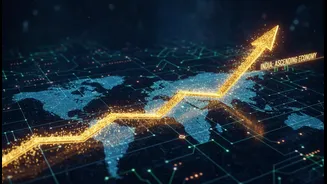
In stark contrast to the global trend, India is poised to remain the world's fastest-growing major economy. While the headline's 7% figure represents the higher end of forecasts, major institutions like the IMF and World Bank project India's growth for the fiscal year at a robust 6.4% to 6.6%. Some analysts, like Goldman Sachs, have even revised their forecasts for the calendar year upward to 6.8%, citing lower oil prices and strong economic activity. The primary engine behind this resilience is powerful domestic demand. Strong private consumption, supported by rising incomes and a massive consumer base, helps insulate the economy from the worst of the global trade slowdown.
Government Spending and Sectoral Strength
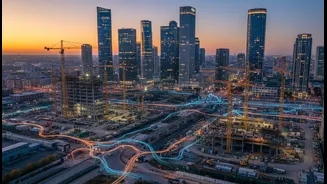
The government's sustained focus on capital expenditure has been another critical growth driver. Significant investment in infrastructure—from roads and ports to digital networks—creates jobs, improves logistics, and stimulates private investment. This public spending has a multiplier effect, boosting sectors like construction and manufacturing. Alongside this, India's services sector continues to be a formidable force, contributing significantly to both GDP and exports. This combination of government initiative and a competitive services industry provides a stable foundation for growth.
Navigating the Headwinds
Despite the positive outlook, India is not entirely immune to global risks. A key vulnerability remains the country's dependence on imported oil. Renewed geopolitical conflicts or supply chain disruptions could send energy prices soaring, impacting everything from inflation to the fiscal deficit. A deeper-than-expected global slowdown would also inevitably affect India's exports, particularly in the IT and services sectors that cater to Western markets. Furthermore, domestic challenges like managing food inflation and ensuring job creation for a young, growing population remain crucial policy priorities for sustaining long-term momentum.