






Decoding Ultra-Processed Foods
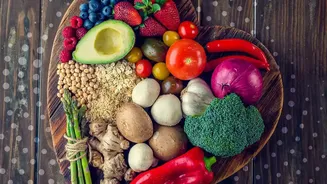
Before diving into the study, it’s important to understand what ultra-processed foods are. Using the widely accepted NOVA classification system, foods are grouped by their level of processing. Unprocessed or minimally processed foods are things like fresh
fruits, vegetables, eggs, and whole grains. Processed foods have been altered slightly, like canned vegetables or fresh bread. Ultra-processed foods, however, are industrial formulations made mostly from refined ingredients and additives. Think packaged snacks like chips, sugary drinks, instant noodles, reconstituted meats like nuggets, and many ready-to-eat meals. These products often contain ingredients you wouldn't find in a home kitchen, such as preservatives, emulsifiers, and artificial colours and flavours, designed for long shelf life and hyper-palatability.
The Link to Atherosclerosis
The condition at the centre of the new study is atherosclerosis, which is the buildup of fats, cholesterol, and other substances on artery walls, forming plaque. This buildup can narrow arteries, restricting blood flow and potentially leading to serious cardiovascular events like heart attacks and strokes. While the exact cause is unknown, risk factors include high blood pressure, high cholesterol, smoking, and an unhealthy diet. This is where the new research from the UK Biobank comes in, providing a fresh look at the dietary connection.
What the UK Biobank Study Found
In a large prospective study involving over 133,000 participants from the UK Biobank, researchers tracked food consumption and health outcomes over a median of nearly 11 years. The findings were significant: participants who consumed the most ultra-processed foods had a 29% higher risk of developing atherosclerosis compared to those who consumed the least. The analysis showed that with each standard deviation increase in daily UPF consumption, there was a 14% higher risk of the disease, even after adjusting for other factors. This adds to a growing chorus of research linking high UPF intake to a variety of negative health outcomes, including increased risk of cardiovascular disease in general.
Correlation Is Not Causation
This is the crucial part of the story. The UK Biobank study is an 'observational' study. This means researchers observe participants' existing habits and track their health without intervening or assigning a specific diet. Such studies are invaluable for identifying potential links and associations on a large scale. However, they cannot definitively prove cause and effect. For example, it's possible that people who eat more UPFs also have other lifestyle habits that contribute to atherosclerosis risk. Experimental studies, where researchers control the variables by assigning different diets to randomized groups, are considered the 'gold standard' for proving causation, but they are often difficult and expensive to conduct for long-term dietary patterns.
The Main Takeaway for Your Health
So, if the study doesn't prove UPFs cause atherosclerosis, should we ignore it? Not at all. While this one study isn't the final word, it provides a strong piece of evidence that aligns with a large and growing body of research. Multiple studies have associated high UPF consumption with increased risks of obesity, high blood pressure, diabetes, and heart disease. The consistent signal from this and other observational studies is that diets high in ultra-processed products and low in whole foods are linked to poorer health. UPFs are often high in salt, sugar, and unhealthy fats, while being low in fibre and essential nutrients; they can also displace healthier, whole foods from the diet. Therefore, both the study's findings and its limitations point to the same practical advice: being mindful of your UPF intake and prioritising whole or minimally processed foods is a sensible strategy for long-term heart health.