


A Tidal Wave of Tourists
The numbers are staggering. In 2025, Kerala witnessed its highest-ever tourist footfall, welcoming over 2.58 crore visitors. This marked a significant 12.5% increase from the previous year, driven largely by a massive 36.3% surge in domestic tourists
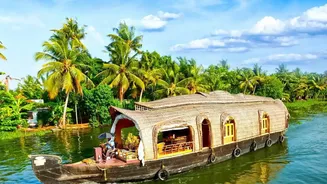
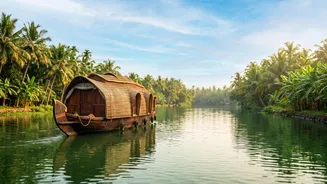
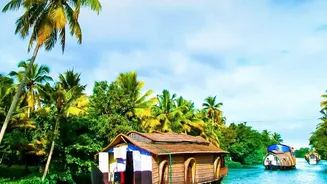
compared to pre-pandemic levels. Districts like Idukki, Ernakulam, and Thiruvananthapuram have been major beneficiaries of this boom. While this influx provides a vital boost to the state's economy, which relies on tourism for about 10% of its GDP, it also places a heavy strain on its world-renowned natural assets—the serene backwaters, lush hill stations, and pristine beaches that attract visitors in the first place. This double-edged sword has forced officials and communities to confront a critical question: how do you grow without destroying the very thing people come to see?
The Responsible Tourism Blueprint
Kerala's answer is its globally acclaimed Responsible Tourism (RT) Mission. Launched years ago and continually evolving, this isn't just a buzzword. It's a structured approach built on three pillars: environmental protection, social empowerment, and economic benefit for local communities. The core idea is to move away from a model where locals are passive bystanders to one where they are active stakeholders. This involves a conscious effort to ensure that the money spent by tourists stays within the local economy. The initiative was born from the need to address the downsides of rapid tourism growth, including environmental degradation, the risk of cultural commercialization, and an imbalance in how tourism revenue is distributed.
Empowering Communities, Preserving Culture
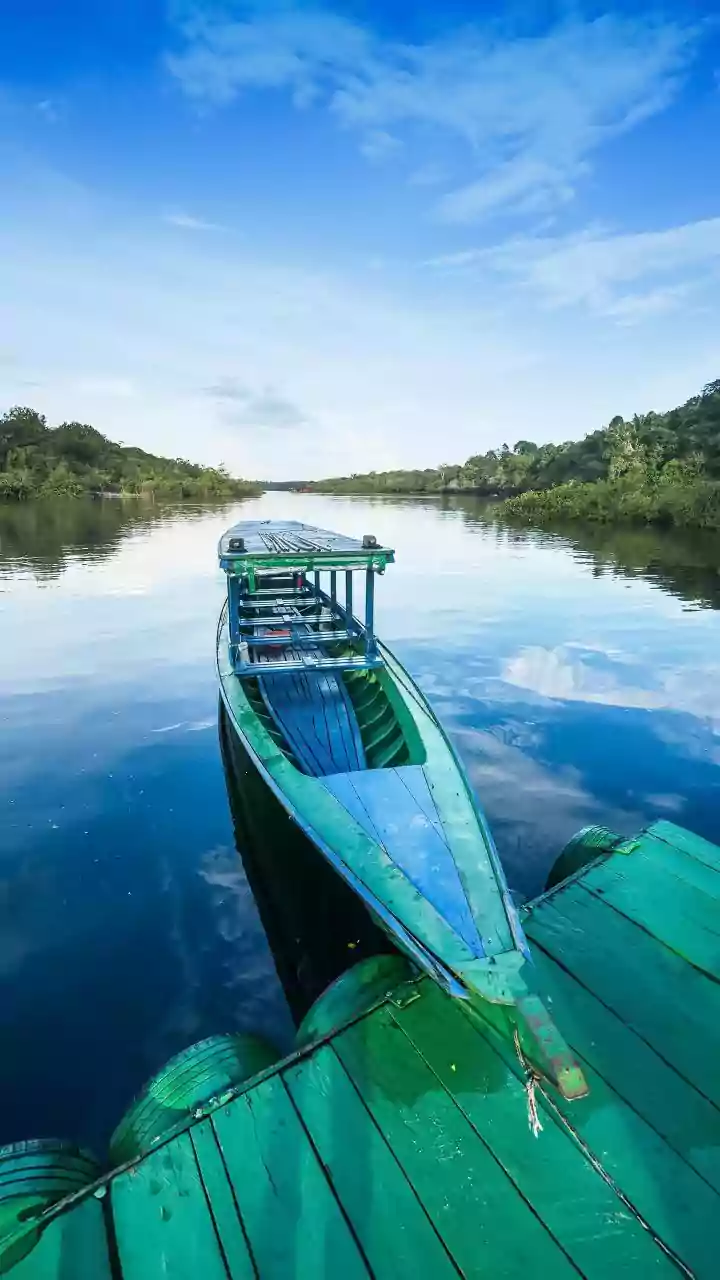
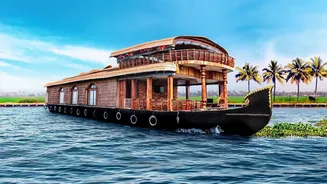
A key success of the RT Mission is its focus on community integration. The mission actively encourages travellers and tourism operators to source services and products locally. This translates into tangible opportunities for residents, fostering everything from women-led handicraft enterprises and homestays to local guide services and culinary experiences that showcase authentic regional cuisine. Projects like the 'Water STREET' in Maravanthuruthu have gained global recognition for turning villages into sustainable and inclusive tourism destinations, with the government investing in infrastructure like floating jetties to enhance the experience while conserving water bodies. With nearly 24,000 local units now functioning under the RT Mission, the program directly supports the livelihoods of an estimated 1,50,000 families across the state. This approach not only provides income but also instills a sense of pride and ownership, helping to preserve authentic cultural traditions.
Protecting Paradise for Future Generations
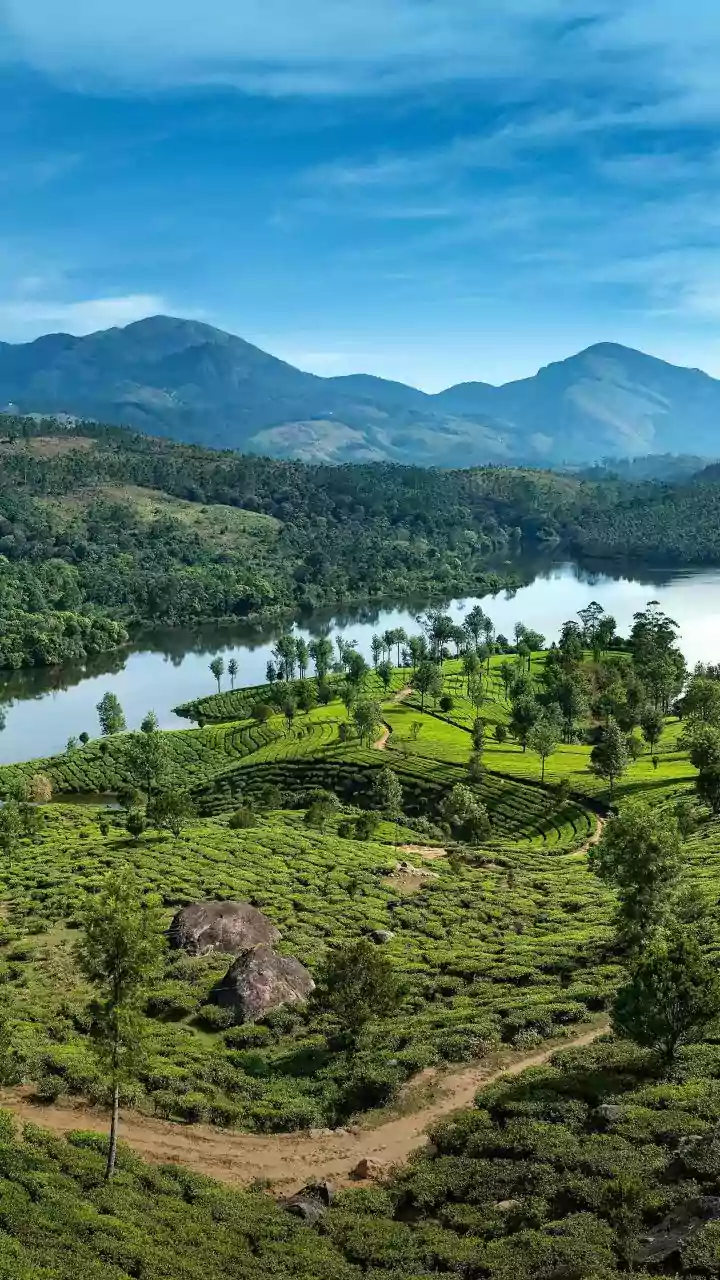
On the environmental front, the state is pushing for greener practices. This includes promoting eco-tourism projects, developing new facilities with a focus on sustainability, and tackling waste management challenges in high-traffic areas. Thenmala stands out as India's first planned ecotourism destination, designed to harmonize visitor activities with the natural environment. Newer projects, like the one at Munderikadavu bird sanctuary, are being developed with facilities for birdwatchers that minimize disturbance to the migratory birds. The government has also promoted a 'Green Seal' certification for tourism businesses and is working with various departments to embed green principles in construction, design, and waste management to create carbon-neutral destinations. The mission is also expanding into new areas, such as developing tourism projects within the state's vast plantations, tapping into another unique aspect of Kerala's landscape.
The Road Ahead: Balancing Growth and Sustainability
Despite its successes, the path forward is not without challenges. Key issues include the dependency on seasonal tourism flows, which can make incomes unpredictable for local communities, and the constant risk of cultural experiences becoming overly commercialized as demand grows. Infrastructure, particularly in rural areas, can still be a limitation, and preventing pollution and resource strain in popular spots like Munnar and Alleppey requires constant vigilance. The state has reached a critical juncture where the current growth trajectory is unsustainable without a deeper integration of these responsible principles across the entire industry. To that end, the RT Mission is being formalized into a government-owned society, a move designed to enhance its ability to train, market, and support community-led tourism enterprises for the long haul.