






Setting the Record Straight
In a definitive statement, ISRO has addressed recent speculation, stating unequivocally that the organisation will not be privatised. Reports suggesting its role would be diminished were dismissed as "baseless and incorrect." The clarification came after
concerns were raised by employee associations following statements about transferring manufacturing duties to private entities. ISRO leadership has been clear: the agency will remain India's primary government body for advanced space research, strategic missions, and planetary exploration. The goal is not to shrink ISRO, but to expand the entire Indian space ecosystem.
Participation, Not Privatisation
The confusion stems from a fundamental shift in India's space policy, which encourages more participation from non-governmental entities. This change is formalised in the Indian Space Policy 2023, which aims to grow India's share of the global space economy from its current level of about 2% to a projected $44 billion by 2033. Achieving this ambitious target requires private capital and industrial capacity, which the government aims to foster. The policy isn't about selling off ISRO; it’s about creating a robust partnership between the public and private sectors to accelerate growth and innovation.
A New Division of Labour
The new framework establishes clear roles. ISRO will transition away from routine manufacturing and operations to focus on what it does best: pioneering research and development. This includes developing next-generation launch vehicles, spearheading deep-space missions to the Moon and beyond, and leading the human spaceflight programme (Gaganyaan). Meanwhile, two other key bodies will manage the commercial and regulatory aspects. NewSpace India Limited (NSIL), ISRO's commercial arm, will be responsible for marketing space technologies and launch services. The Indian National Space Promotion and Authorisation Centre (IN-SPACe) will act as a single-window agency to promote, authorise, and supervise all private-sector space activities, ensuring they meet safety and national security standards.
Unlocking ISRO's Full Potential
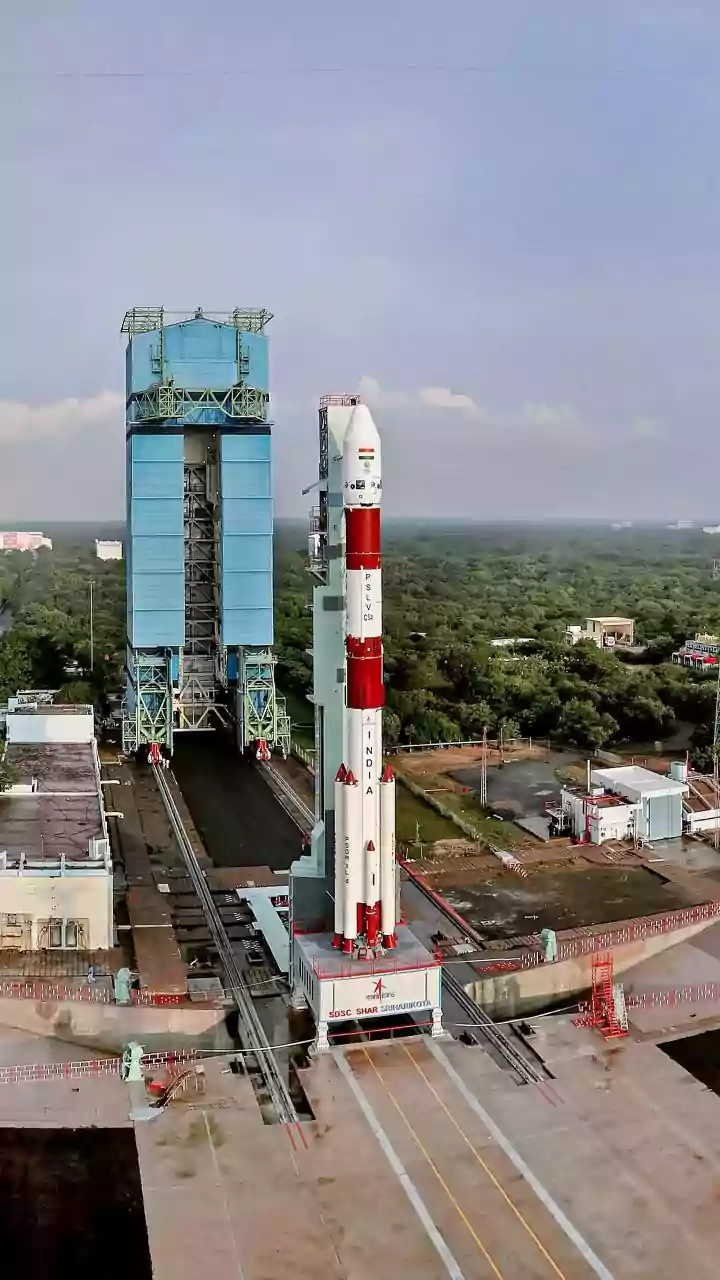
By handing over mature technologies like the Polar Satellite Launch Vehicle (PSLV) production to private industry, ISRO can free up its valuable scientific and technical workforce. Instead of spending resources on activities that the private sector can now handle, ISRO's brilliant minds can concentrate on future-facing challenges. ISRO Chairman V Narayanan has stated that the agency is working with over 450 industries and that nearly 80% of its budget is already invested in the industrial sector, highlighting the long-standing synergy. This strategic shift allows the agency to tackle more ambitious projects, such as establishing the Bharatiya Antariksh Station (Indian Space Station) by 2035 and a crewed lunar mission by 2040.