







India's First Organic State
To understand the magic of a Sikkimese farm stay, you first need to understand the state's bold vision. In 2016, Sikkim was declared India's first—and the world's first—fully organic state. This wasn't a marketing gimmick; it was the result of a deliberate,
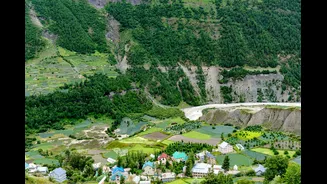
decade-long policy to phase out chemical fertilizers and pesticides, which began in 2003. The goal was to protect the fragile Himalayan ecosystem, improve public health, and secure the livelihoods of over 66,000 farming families. This statewide commitment means that when you visit a farm here, you're stepping into a landscape that is pure by law and by long-held tradition. It has revitalized the soil, cleaned the water sources, and boosted biodiversity, creating a haven for both nature and those who seek it.
More Than a Room, It's an Experience
A farm stay in Sikkim is not a hotel with a nice garden. It’s an invitation into a family's home and their way of life. Accommodations are often simple but comfortable rooms, either within the family house or in adjacent cottages, offering an authentic slice of rural living. The real luxury lies in the immersion. Days are shaped by the rhythms of the farm. Guests are often encouraged, though never required, to participate. You might find yourself helping to milk a cow at dawn, plucking fresh vegetables for lunch, or learning to fold traditional 'sel roti'. Many farms are built around Sikkim's signature crop, large cardamom, and visiting during the harvest season from August to October means witnessing the aromatic process of the pods being dried over slow fires.
A True Farm-to-Table Feast
Perhaps the most memorable part of a Sikkimese farm stay is the food. The meals, almost always included in the stay, are a direct reflection of the land around you. Vegetables are often harvested just hours, or even minutes, before being cooked. You'll taste the difference that organic cultivation makes, from the richness of the dal to the zest of the chutneys. Menus feature local delicacies like 'phagshapa' (pork with radish), fermented greens known as 'gundruk', and 'churpi', a hard local cheese. This is not just eating; it's a culinary education, a direct link between the soil, the farmer's hands, and your plate. It's a system that promotes local food heritage and provides a powerful economic boost directly to the community.
Hands-On Connection with Nature
Beyond the farm itself, these stays offer a unique base for exploring the surrounding nature. Your hosts are not just hoteliers; they are custodians of the land with generations of knowledge. They can guide you on walks through forests to find forageable ferns or point out the best spots for birdwatching. Instead of a generic trail map, you get a guided experience from someone who knows the landscape intimately. Activities can include everything from learning about terraced cultivation to village walks and hikes to nearby waterfalls and streams. This hands-on, educational approach deepens your connection to the environment, turning a simple holiday into a rich, learning experience that studies show significantly enhances visitor satisfaction.
Planning Your Green Getaway
Finding a farm stay is part of the adventure. While many are listed on homestay websites, others are part of community-run tourism initiatives in villages like Pastanga near Gangtok or Kewzing near Ravangla. The best times to visit are spring (March to May) for blooming gardens and autumn (October to November) for clear skies and harvest festivals. Be prepared for a simpler way of life. While amenities are clean and comfortable, this is about disconnecting from the hustle. It’s about quiet evenings, perhaps by a bonfire, enjoying the quiet sounds of nature. This form of agro-tourism doesn't just offer a unique vacation; it has become a vital part of Sikkim's economy, boosting local incomes and reinforcing the value of its pioneering organic policies.