








The Hidden Burden of Hospitality
The allure of a perfect getaway often masks a stark reality. When tourists arrive in a destination, their resource consumption skyrockets. Studies and on-ground reports consistently show that a single tourist uses significantly more water and generates
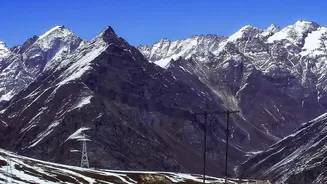
far more waste than a local resident. This seasonal surge puts immense pressure on municipal systems that were often designed for a much smaller, permanent population. In ecologically sensitive areas like the Himalayas or coastal regions, this added burden is not just a logistical challenge but an existential threat. The issue is compounded as infrastructure development frequently prioritises visible assets like hotels and roads, while less glamorous but essential services like sewage treatment plants and waste processing facilities are overlooked.
When the Hills Run Dry
The water crisis in Shimla serves as a potent cautionary tale. The former summer capital of British India, designed for a population of around 25,000, now grapples with a permanent population of over 200,000, which swells dramatically during peak tourist season. This influx places an unsustainable demand on its ageing, colonial-era water infrastructure. In recent years, the city has faced severe water shortages, forcing authorities to ration supplies and leaving residents to queue for hours at water tankers. The crisis became so acute that locals took to social media, pleading with tourists to stay away. This is not an isolated incident; similar pressures are being felt in other Himalayan towns and destinations across India, where the political economy of tourism-led development often ignores the fundamental need for water security.
Mountains of Waste and Clogged Coasts
Alongside water scarcity, a parallel crisis of waste is unfolding. In the Indian Himalayan Region, tourism is a major contributor to the estimated five to eight million metric tons of waste generated annually. Destinations like Goa face a similar predicament, with the tourism boom leading to a massive increase in garbage, particularly single-use plastics from packaged food and drinks. Reports indicate that during peak season, per-capita waste generation in some tourist hotspots can be up to four times the national urban average. This waste often ends up in open dumps, polluting rivers, scarring pristine landscapes, and harming wildlife. The difficult terrain, remoteness, and lack of adequate processing facilities in many of these areas make waste management exceptionally challenging, turning scenic spots into garbage dumps.
An Economic and Ecological Imperative
Ignoring the strain on water and waste systems is not just an environmental oversight; it is an economic miscalculation. The very natural beauty that attracts tourists is being eroded by pollution and resource depletion. Polluted water bodies, garbage-strewn trails, and environmental degradation ultimately diminish a destination's appeal, threatening the long-term viability of its tourism industry. The negative impacts can create a vicious cycle: as the environment suffers, the quality of the tourist experience declines, leading to a damaged reputation and potential economic losses. Sustainable tourism, therefore, is not a niche concept but a core requirement for preserving the economic engine that these communities depend on. Protecting natural resources is fundamentally linked to protecting the tourism economy itself.
Forging a More Sustainable Path
Addressing this challenge requires a fundamental shift in how tourism development is planned and executed. The focus must move from simply expanding accommodation to building robust, resilient infrastructure for water and waste. This involves investing in modern water treatment plants, comprehensive solid waste management systems, and promoting circular economy models that reduce waste at its source. Encouraging responsible tourist behaviour through awareness campaigns is crucial, but it must be supported by systemic solutions like banning single-use plastics and enforcing regulations. Models from places like Sikkim, which has prioritised organic farming and cleanliness, show that a sustainable approach is possible. Ultimately, integrating water and waste management into the core of tourism strategy is essential for ensuring that India's beautiful destinations can thrive for generations to come.